Unemployment in the Cayman Islands dipped to a near-historic low in the latter half of 2022 as the island’s economy rebounded from the COVID era lockdowns.
There were just 796 Caymanians listed as unemployed in the Labour Force Survey Fall 2022 Report.
Despite that sunny outlook, there remains considerable concern over wage stagnation amid record inflation. Underemployment has also increased, with many Caymanians indicating they are stuck in part-time work or in jobs that don’t match their ambitions.
The resumption of tourism is the biggest factor driving the positive numbers, outlined in the recently published report from the Economics and Statistics Office.
Returning tourism workforce
Perhaps the most significant data from the survey is a huge surge in the number of people living and working in the Cayman Islands.
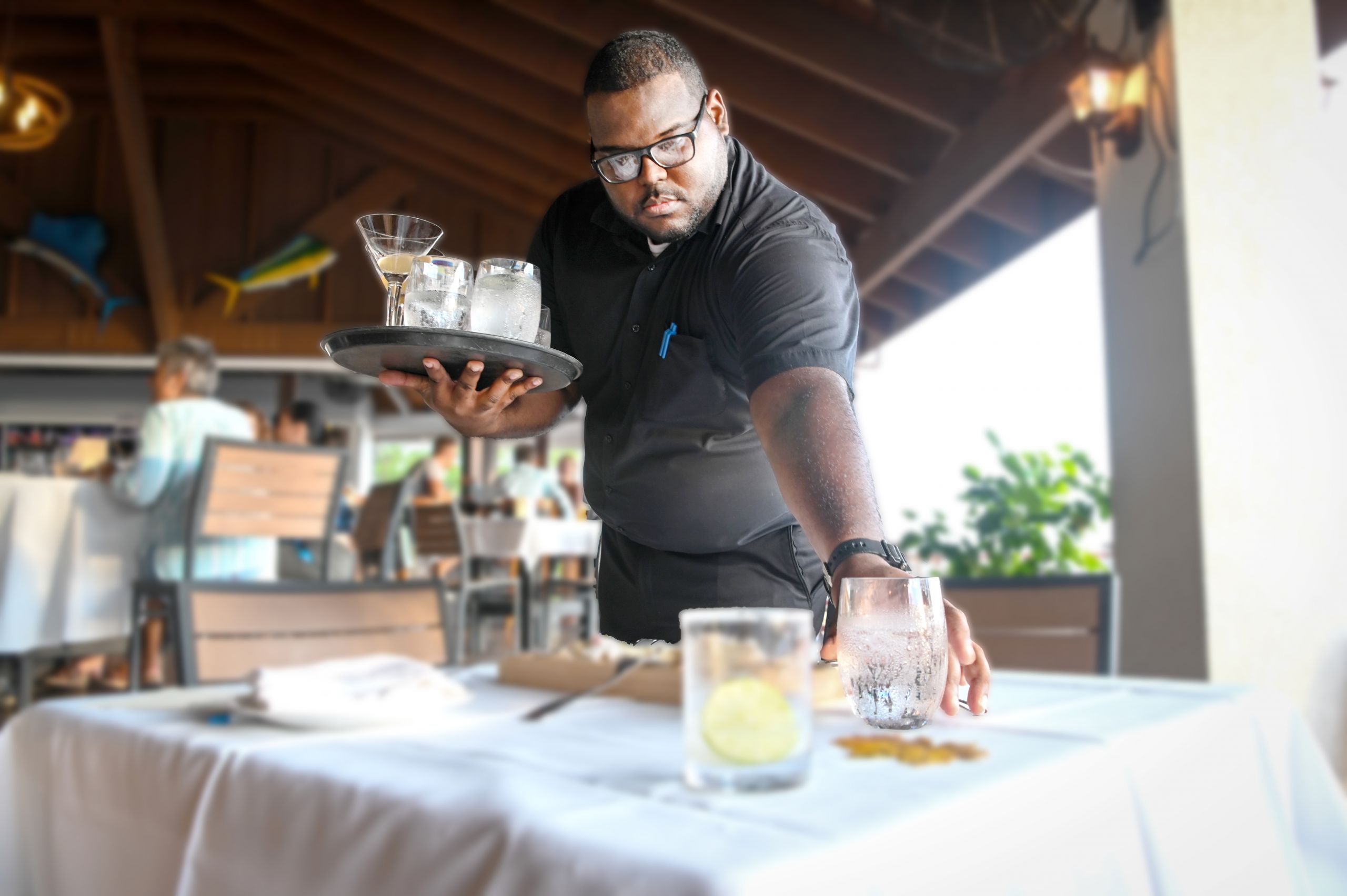
The number of employed persons increased by 22.7% from the time the Census was conducted in 2021, to reach 56,355. That represents an increase of 10,436 jobs – many of them in hotels and restaurants that were shuttered during the pandemic.
To an extent, the data reflects a return to pre-COVID conditions and illustrates how government managed the economic and health threat of the pandemic, by shutting the borders, closing businesses and sending expat workers left without jobs home on repatriation flights.

But as the industry has remobilised, it appears even more workers are coming back to Cayman.
Government statisticians now estimate the island’s population at 81,546, almost 10,000 more than when the Census was conducted in 2021.
The report puts the total unemployment rate at 2.1 % and the Caymanian unemployment rate at 3.6%. The local jobless rate is always slightly higher because, in most cases, expatriates that don’t have a job and a work permit are required to leave the island.
According to the report, more than 1,000 Caymanians have got back to work over the past year.
Julian Morris, a Cayman Islands-based economist who reviewed the data for the Compass, said the figures were encouraging. He added that the local unemployment rate at 3.6% was significantly lower than the pre-COVID figure of 5.6% from 2019.
“In general this is good news, as it shows that the parts of the economy most severely impacted by COVID have now returned to normal,” he said.
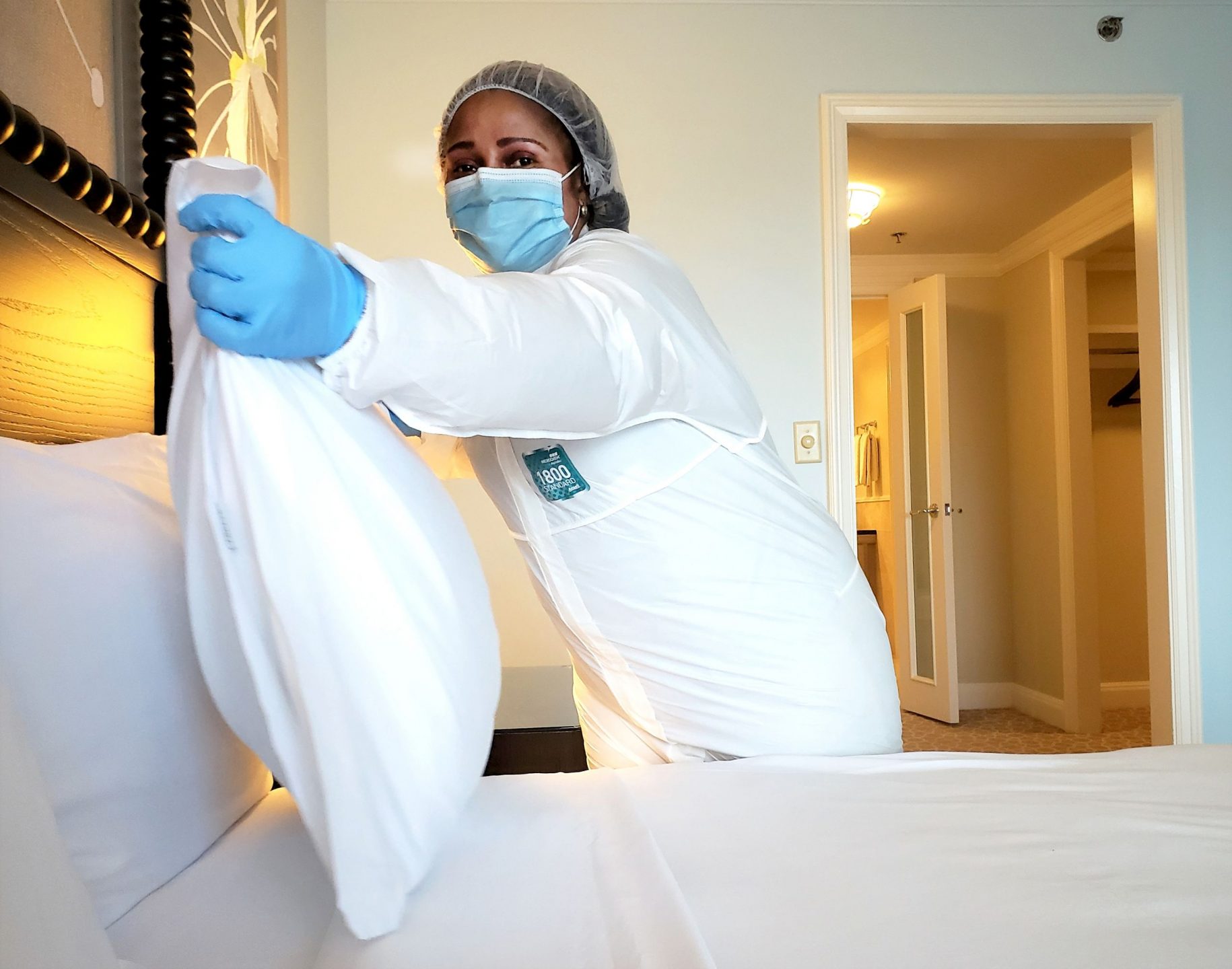
“However, it is noteworthy that twice the proportion of Caymanians who would be willing to work full-time are now in part-time work.”
The ESO lists 6.4% of Caymanians as ‘underemployed’ compared with 3.1% in its pre-COVID report.
Morris added, “It seems that post-COVID the structure of work has changed somewhat.
“This likely reflects a change on the part of both employers, who are perhaps being more cautious, and employees, more of whom are willing to accept part-time work because of the adverse effect of COVID on family finances.”
Troy Leacock, the president of the Cayman Islands Tourism Association, has previously said that businesses are restaffing gradually as they ramp back up to full operations.
He told the Cayman Compass, “The resumption of tourism contributed significantly to the decrease in unemployed Caymanians which is a very positive outcome. I am optimistic that as tourism fully recovers and our training programmes develop more skills, Caymanian unemployment can continue to fall.”
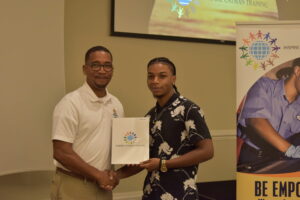
The Inspire Cayman Training Centre has helped play a role in getting unemployed Caymanians ready for work, running a series of courses specifically for those left jobless by the pandemic.
The school held a graduation ceremony at the Marriott resort last weekend for 26 people who received trade certifications in various fields, including water sports.
Michael Myles, who established the privately owned and operated school to fill a gap in vocational training in Cayman, said, “We’ve helped more than 100 people find work. I am sure we have made a difference to the numbers.”
But he questioned the statistics, suggesting they do not reflect the picture he is seeing on the ground.
“When I look at the scores of people registered with the [Needs Assessment Unit] and with organisations like ARK and Resilience Cayman, I struggle to understand where these numbers are coming from,” he said.
“If we have almost no unemployment, why are we having to feed every child in the school system? Why are so many people in my office asking for scholarships for training?”
While the training school does receive some support from government, Myles is advocating for Ministry of Education scholarship funding to be released to students who take its courses. So far, he said the pleas had fallen on deaf ears, meaning students who take vocational courses with Inspire Cayman have to find other sources of funding.
Interactive graphics created by Stephanie Ditta
Related Videos