

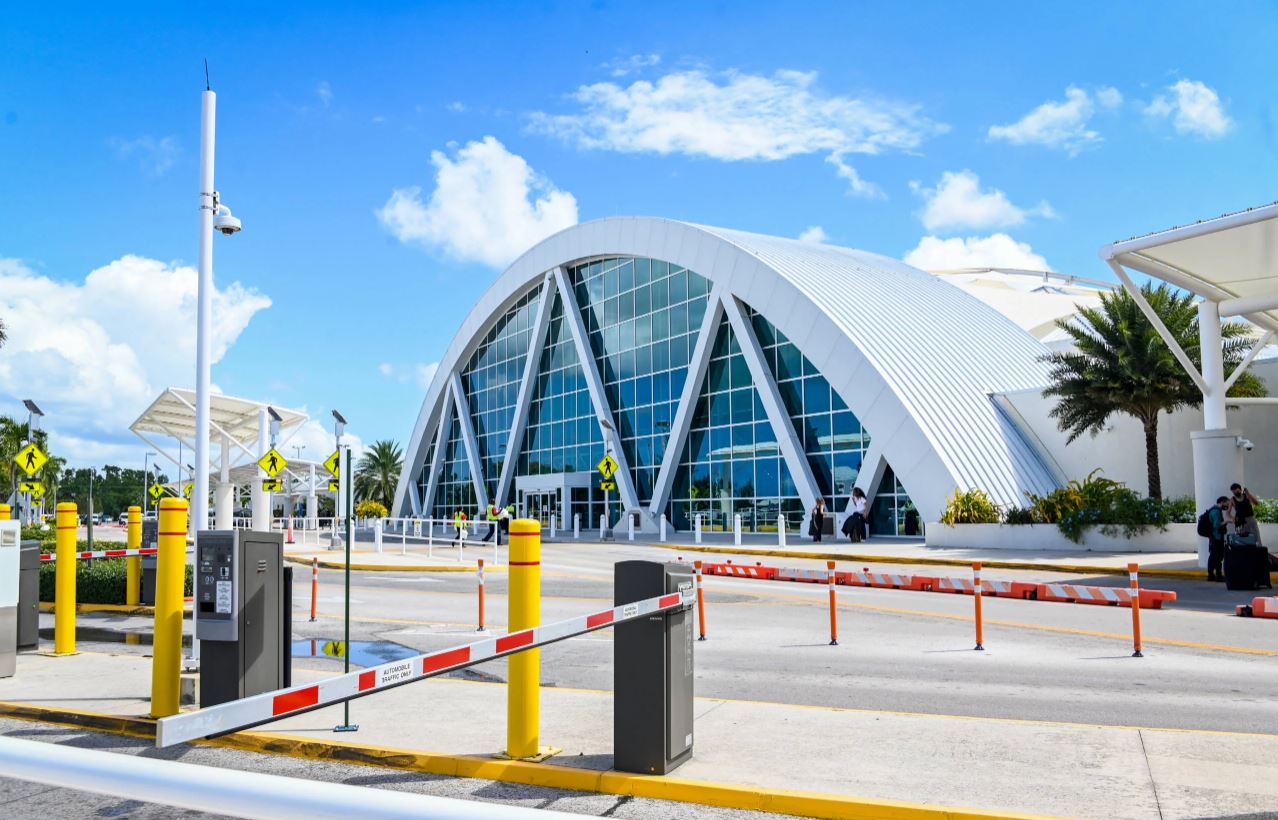
In two years, a modern surveillance system will be set up to allow air traffic control at the Cayman Islands’ three airports to safely monitor, track and manage flights.
To date, air traffic has been managed manually using industry guidelines – a practice which is less efficient and can lead to increased safety risks.
But this month, the Cayman Islands Airports Authority asked companies to submit bids to provide technical support to help implement a new system, using existing radar.
Wayne DaCosta, the authority’s chief airport operations officer, said the air traffic control system currently in place meets local and international safety standards.
“However, with the increase in air traffic in recent years and the cost effectiveness of the newer technologies, the CIAA has decided to embark on implementing a new state of the art surveillance system,” he told the Compass.
“Some of the benefits of the system will be improved operational efficiency and safety.”
He said the surveillance project is being implemented in conjunction with other efforts to improve the overall operational efficiency, safety and security at Cayman’s airports.
“The new system is estimated to be in full operation in early to mid-2025,” he said.
Old ‘legacy’ equipment
The airport authority’s project description on the government’s public purchasing portal explained that all three Cayman airports – Owen Roberts International Airport in Grand Cayman, Charles Kirkconnell International Airport in Cayman Brac and Edward Bodden Airfield in Little Cayman – cater for both commercial and general aviation traffic.
By the end of 2019, the commercial, business and tourist sectors had increased, “putting stress on all the airports operational systems from an efficiency and safety standpoint”, it said.
The description added that all three islands have “very limited” communications, navigation and surveillance (CNS) infrastructure and no independent surveillance equipment.
“CNS and the radio spectrum they require are the foundation of the aviation operational performance to ensure safe, secure, predictable and efficient air operations,” it said.
However, the airports authority explained the Cayman Islands currently has “legacy” communications, navigation and surveillance infrastructure with “very high average ages”.
This outdated equipment is made up of conventional navigational aids and control towers – “a factor that can limit operations performance in a negative way”, it said.
According to the details provided, there is a secondary surveillance radar in Grand Cayman which is the property of the US non-profit Central America Air Navigation Services Corporation.
A lease agreement between the corporation and the Cayman Islands Airports Authority allows it to provide surveillance data to air traffic services. However, this has not been used.
A modern system
In late 2022, a comprehensive independent analysis identified and recommended the required parameters for an optimal air traffic management surveillance system.
The resulting proposed automatic dependent surveillance broadcast system will take advantage of the existing surveillance radar in Grand Cayman.
It will be supplemented by installing another three receivers in Grand Cayman and Cayman Brac.
“These additional sensors will improve acquisition and tracking performances and improve redundancy and independence,” the airport authority said in its project description.
Complete aeronautical information management and automatic message handing software systems will also be deployed. However, a primary radar is not part of the project.
“[It] is designed to enable and meet its current and long-term air traffic management surveillance requirements while improving safety and efficiencies,” the authority said.
The bidding process closed on 10 July.
Discussions over the use of the leased radar for air traffic control began in 2018.
Related Videos









Now that we have so many flights arriving in Grand Cayman, especially around lunchtime.I am surprised our air traffic controllers do not have a radar system available to them. We are told a system will be in place by “mid 2025” by which time our skies will be even more clogged with traffic allowing for our ever expanding CAL flight destinations. One hopes the available radar will not be subject to the constant travails suffered by our own weather radar system.