

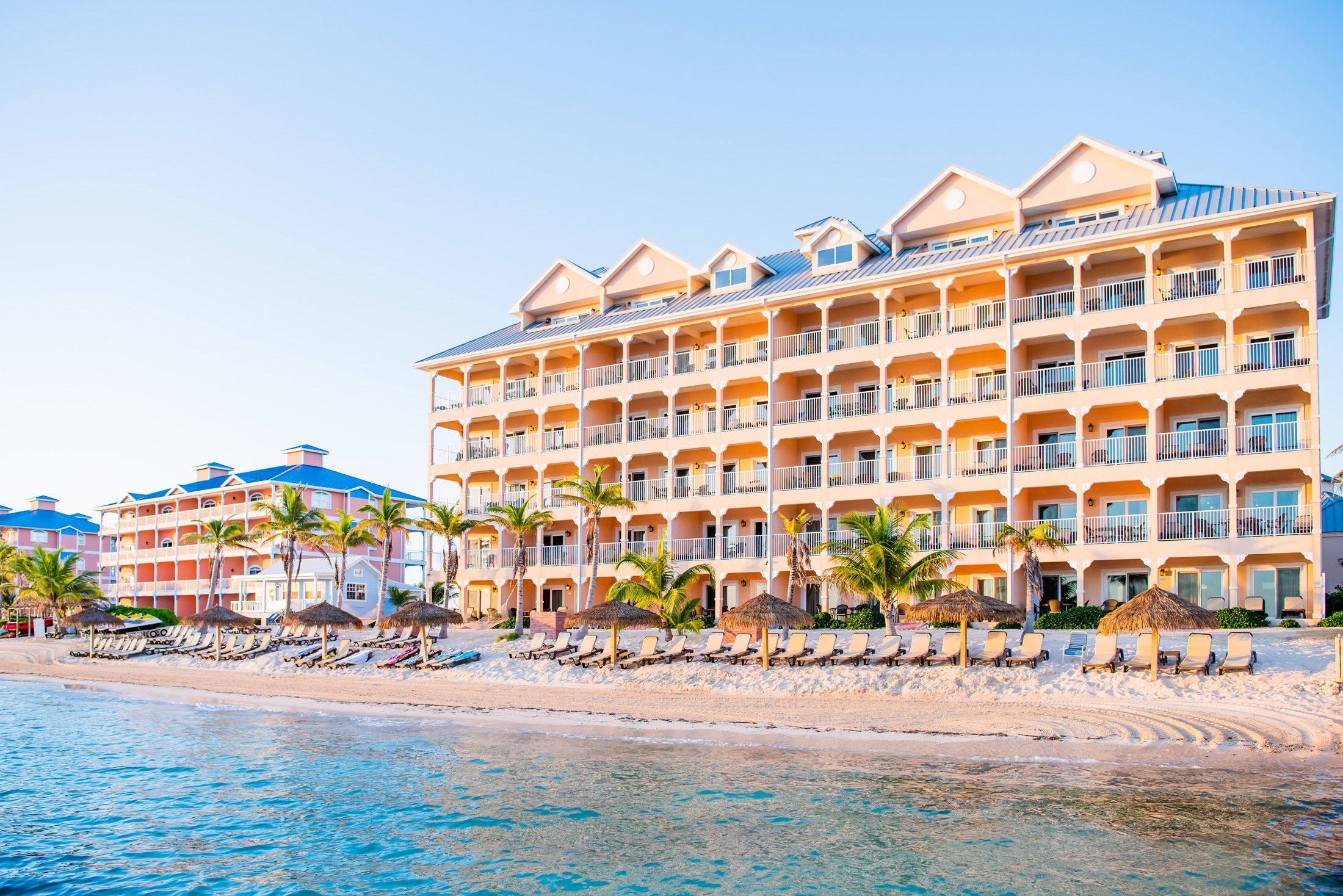
An application to erect a new hotel building by Morritt’s in East End has highlighted ongoing issues with implementing requirements by the Central Planning Authority in relation to applications for developments that are likely to negatively impact protected environmental areas.
Despite a court- and legislation-mandated requirement for such planning applications to get National Conservation Council approval, the process involved in doing so has not yet been ironed out.
This was highlighted last week at a planning board meeting, when Morritt’s application was adjourned for a third time. CPA chairman Ian Pairaudeau described the delay caused by the approval process as a “circus”.
The planning board blamed the National Conservation Council, and by extension the director of Department of Environment, Gina Ebanks-Petrie, for the delay. Ebanks-Petrie says the delay lies with the planning board, for failing to seek the required approval in a timely manner.
Section 41(4) vs. section 41(3)
At the hearing on Wednesday, 3 Jan., members of the Central Planning Authority board said they could not grant Morritt’s planning permission that day, even though they were ready to do so, because the conservation council had informed the board that it was required to seek its approval under Section 41(4) of the National Conservation Law.
The matter had been adjourned twice before, in September and November last year, first to invite the applicant to discuss with the planning board the possible adverse effects on the adjacent protected marine area, and then to refer the application to the conservation council, under a different section of the National Conservation Act – Section 41(3).
Section 41(3) states that the views of the National Conservation Council must be taken “into account” if an action, such as planning approval, is likely to have an adverse effect on the environment. Section 41(4) states that entities must apply for and obtain the approval of the council before taking an action that “would be likely to have an adverse effect… on a protected area or on the critical habitat of a protected species”.
The Court of Appeal, in a ruling on the interpretation of elements of the National Conservation Act in September last year, found that the planning board must seek the National Conservation Council’s approval on applications that are likely to negatively impact protected environmental areas and follow its directives on those applications.
Planning board ‘caught off guard’
At Wednesday’s meeting, planning board chairman Pairaudeau told the Morritt’s representatives that the CPA members had been “a bit surprised” to see the Section 41(4) requirement in the agenda because the Department of Environment had already outlined its conditions and recommendations for the application.
“We’re caught off guard why the DoE is asking us to go back to them,” Pairaudeau said. “They didn’t need to come back to us with a 41(4), all they needed was to come back to us with a 41(3) and say these were the conditions and we could attach them to the application, just to be done.”
He apologised to the Morritt’s representatives for the “circus this has created, but we have to follow it”.
The Morritt’s representative said the National Conservation Council had also apologised to them in emails. Pairaudeau interjected, saying, “For what? Their own bulls**t?”
Another board member told the applicants that the requirement to seek approval on such applications from the National Conservation Council had “added at least two more steps” to the planning application process.
DoE: ‘We don’t understand’
In response to queries from the Compass, Ebanks-Petrie said the Morritt’s application had been considered by the DoE, under delegated authority from National Conservation Council, in July last year – before the Court of Appeal ruling.
However, she said the legislation requiring the planning board to seek the conservation council’s approval on such applications had already been in force.
The DoE’s review of the application provided to the Central Planning Authority in July had outlined that approval needed to be sought under 41(4) section, Ebanks-Petries said, as it made it clear that the department was concerned about the potential adverse impact on the adjacent protected marine area.
“We don’t understand what is happening with the CPA and its processes,” she said. “We has a meeting with them and had agreed a way forward where they could send us the Section 41(4)[-related applications].”
She pointed out that Section 41 of the National Conservation Act “is the only way we have at the moment to ensure that the environment is taken into account, along with the social and economic issues”.
The Court of Appeal ruling confirmed that the CPA is required to make a determination on whether a proposed development would have, or is likely to have, an adverse effect on a protected area. If it determines that it will, and if the board is mindful to grant planning permission, it is legally obliged to seek approval from the National Conservation Council.
Ebanks-Petrie explained that, in general, at this point, the conservation council has two options – to agree to the application, or to say it does not believe any conditions imposed on the development would mitigate the adverse effects on the protected area and not give approval.
She said that in its talks with the Central Planning Authority, the Department of Environment and the National Conservation Council had been “very mindful in not trying to cause any additional delays”.
“We suggested providing a draft 41(4) response as an addition to our review so the CPA, or any other entity, would understand where we were going with Section 41(4). They said, ‘No, we don’t want to do that.’ I don’t understand why.”
She added, “We don’t understand why the CPA has chosen to go the route they have chosen to go. Nothing has changed in relation to what the law says.”
She said the DoE reissued guidelines outlining what would trigger a Section 41(4) requirement, adding, “We tried to make it easy for everyone.”
“It’s a two-part process,” she explained, with the CPA determining if there is likely to be an impact on a protected area and then referring the matter to the National Conservation Council for approval.
“We genuinely don’t understand why this is so difficult,” she said.
Related Videos












I own 7 weeks at Morritts and love it there. They still should have to follow the setback rules that are in place. They already have two properties on the grounds that are too close and you can see the damage.