


With government’s post-retirement healthcare liability now pegged at $2.5 billion, Auditor General Sue Winspear says a decision will have to be made soon on how to deal with it, as leaving the figure off the government accounts cannot continue inevitably.
The deficit caused by the looming healthcare debt, she said, will only increase when all statutory entities bring their health and pension benefits in line with the civil service, as required under the Public Authorities Act.
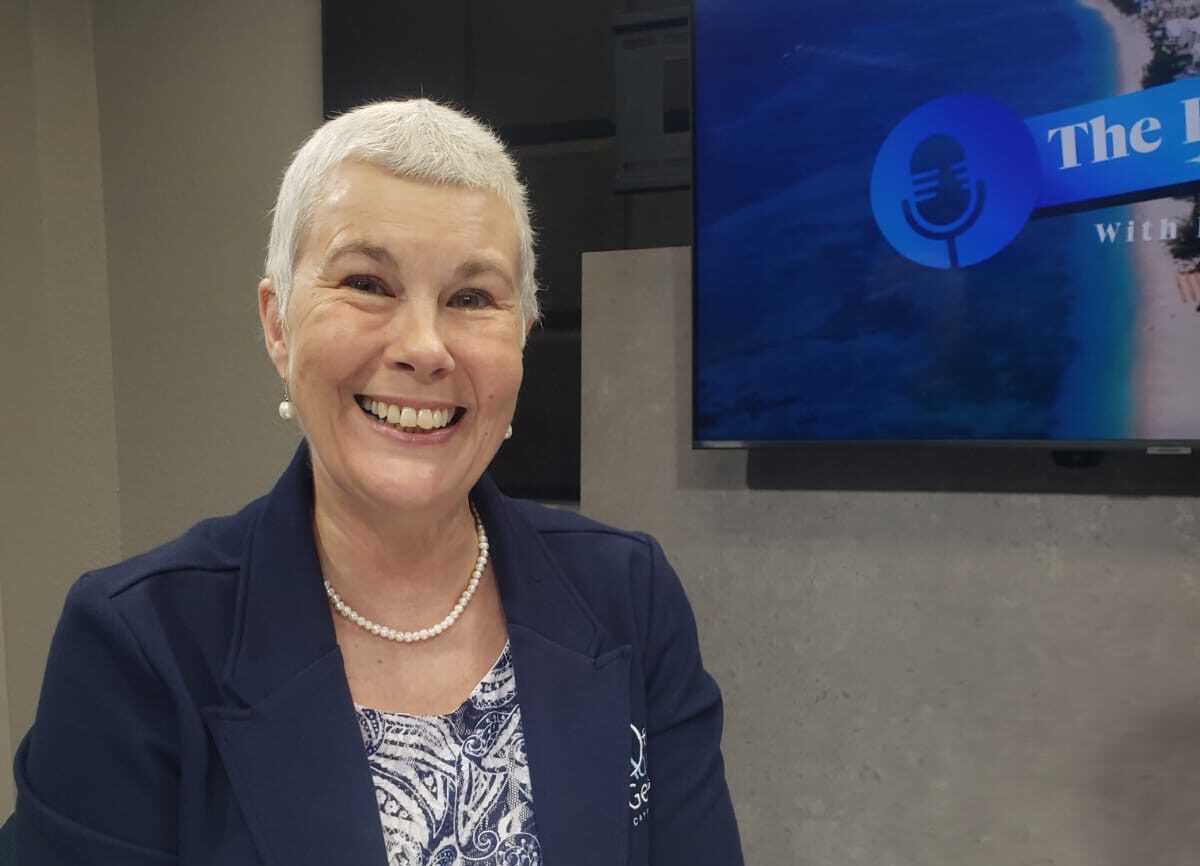
Winspear, speaking before the Public Accounts Committee last week, said keeping the future health costs liability off the government’s balance sheets will not change the fact that the debt exists.
“If all the statutory authorities end up with the same healthcare and pension benefits as the civil service, it will just increase the amount, and the deficit will get bigger and bigger and bigger,” she told lawmakers. “So I think there’s a really big policy decision that this government, the future government, some government, at some point, will need to face, but not disclosing it doesn’t make it go away,” she said.
Keeping the multi-billion dollar future debt off the books has consistently earned the Entire Public Sector accounts repeated adverse opinions from the Office of the Auditor General.
The future debt is borne out of the Cayman Islands government’s obligation to provide civil service retirees, veterans and seamen a certain level of healthcare benefits during their later years when they are no longer working, which is the multi-million dollar liability being kept off the balance sheets.
Financial Secretary Kenneth Jefferson, speaking before the committee, said it is not a case of the liability being hidden, as it is disclosed in the notes of the EPS accounts, but consecutive governments have not put the future liability on the balance sheets.
To do this, he said, it would impact the government surplus, which would be “whittled away”, and it could impact ratios under the UK Fiscal Framework for Financial Responsibility.
This issue won’t change immediately, he said, adding that it is likely that next year it will once again be raised.
Jefferson said the issue may be one the next government administration could deal with at the start of its term.
Winspear said she understood the “dilemma” of the Fiscal Framework for Financial Responsibility, but the liabilities disclosure on the government books still requires some action to address the situation.
Jefferson, responding to a query from committee chairman Roy McTaggart, said the UK has not raised the absence of the liability on the government’s financial statements.
When it came to reducing the liability, committee member Joey Hew raised the issue of a sinking fund, which is an account with money set aside to deal with debts, to chip away at the health costs.
Accountant General Matthew Tibbetts said he approved of the sinking fund plan, with additional remedies to reduce the liability, such as not offering 100% healthcare benefit coverage for new civil servants. Currently, the government covers all civil servants’ healthcare costs within the public health system.
“If we do a combination of both, I think that would be a good, effective approach for reducing this over the long term,” Tibbetts said.
Government currently pays full health and pension premiums for employees and SGACs will also now have to meet the same standard as required under the Public Authorities Act.
Back in 2016, then Finance Minister Marco Archer sought to address the looming problem via a civil servant co-pay plan, but that was rejected by the Civil Servant Association.
No co-pay has been implemented in the civil service.
Little action on aligning benefits
Under Section 47 of the Public Authorities Act, all 26 government entities’ salary scales, health and pension benefits must be aligned.
To date, only the Cayman Islands Monetary Authority and the Cayman Islands Airports Authority are not in compliance with the standard salary scales, as required by law, the Public Accounts Committee was told.
Deputy Governor Franz Manderson said both entities have said implementing the civil servants’ salary scale will impact their ability to hire the best talent.
However, he said, there is a market-factor provision in the law that allows for consideration outside the scale to get the best talent and that can be worked out with the two authorities.
While McTaggart acknowledged movement on the salary-scale adjustments, he questioned the lack of action on aligning the health and pension benefits, which he said have remained “largely” unaddressed.
Manderson said he will raise the issue with the government to “have a policy decision” made over the next couple of months on the issue, so it will not come up again when the entities are next audited.
“It has dragged on for far too long,” Manderson said.
McTaggart stressed that there needs to be a “real push again to try and standardise” the benefits because it is creating issues, particularly when workers retire from statutory authorities and government companies, “and they find that they are without healthcare coverage”.
Jefferson said the 26 statutory authorities and government companies (SAGC) were contacted about the cost of implementing Section 47 of the Public Authorities Act, as it relates to salaries and health and pension benefits, and only 17 had responded as of the day of the PAC meeting on Thursday, 14 March.
Public servants employed at SAGCs pay out of pocket for pension and health insurance, unlike civil servants, and the law seeks to address this disparity, he said.
However, Jefferson said this will mean the government entities will have two options – either increase staff salaries so employees can pay out of pocket for pensions and health insurance or increase their budgets and cover it themselves.
He told the committee that the 17 SACGs said the salary alignment would cost an additional $2 million annually, and the health and pension uplift rounded out to an addition $20 million a year.
Related Videos











So it will cost $20 million pa to uplift the SAGC health and pension benefits to align with the Civil Service, but this begs the question of how much do these benefits received by thousands of civil servants cost the taxpayer each year.I suggested over 25 years ago that civil service new hires be required to pay for their own health care in line with the private sector, it fell on deaf ears. Meanwhile civil servant benefits are still being extended as with the Maternity and Paternity benefits which will now include the SAGC’s.