

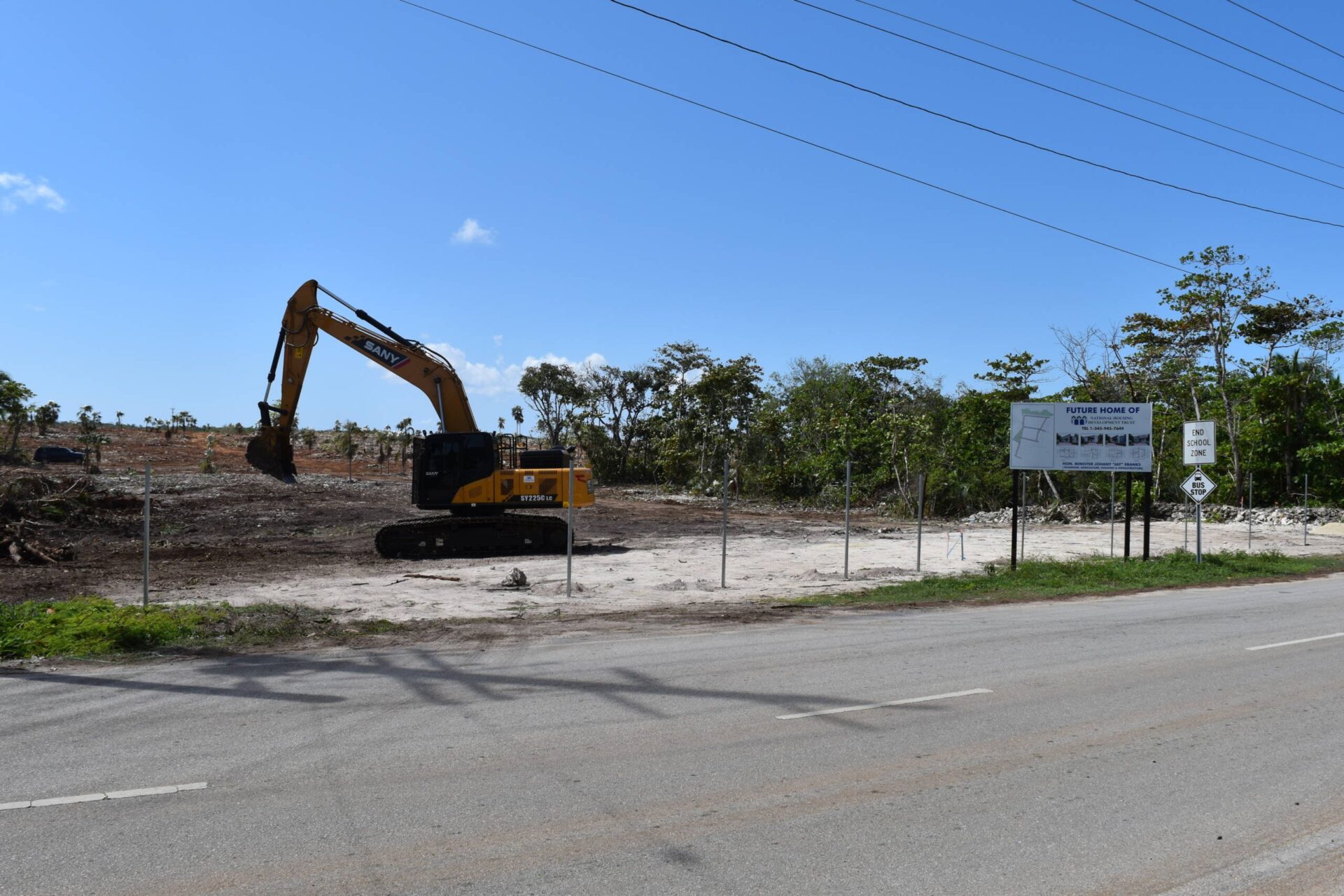
The former chair of Cayman’s National Housing Development Trust has admitted he made a mistake when he diverted five dozen truckloads of fill material to land in which he had a vested interest.
Taking the stand in his ongoing breach of trust trial this week, Geoffry Williams Ebanks accepted he made an error of judgment but denied he had committed a crime.
Ebanks claimed he was trying to help the country and the people of Cayman by keeping an important low-income housing project on track.
The waste, a mix of plants, shrubs, rocks and soil was diverted to his property after being cleared from the 11-acre site in North Side.
The material – which has value for compost or fill in building projects – was intended to be donated to non-profit Beacon Farms a few miles south of the housing scheme.
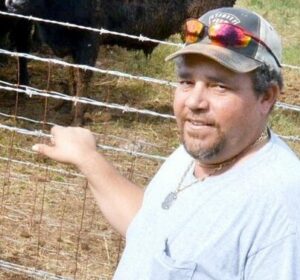
Ebanks acknowledged he had used some of it on his own property, but said he did so with no bad intentions.
Three days into the drop-offs at Beacon Farms, the processing area became full and, Ebanks said, another option had to be found to prevent the housing project from stalling.
That’s when he made efforts to divert the fill material to his land in North Side.
“I will admit that I may have made a mistake, but I didn’t intentionally do anything to benefit myself in anyway,” said Ebanks during cross examination by prosecutor Sarah Lewis.
Ebanks has found himself on trial for charges of breach of trust and conflict of interest in relation to 60 truckloads of waste which was delivered to land in North Side, belonging to him and his father.
The case against Ebanks is that he used his position as chairman of the board to gain access and undue influence over the site clearing process, to ultimately benefit himself, and his close connections.
‘I did it to help the people… and the country’
Ebanks accepts that he took material and used it as fill on his land, but claims it was done for the “good of the country”.
“I was trying to do something to help people, help the country, help the district,” said Ebanks.
During cross-examination, Lewis asked Ebanks to explain what he meant, by “Can’t win-for losing around here”, which was recorded in a series of WhatsApp messages between the chairman and other trust officials after rumours of his potential breach of trust first came to light.
“I meant that people need these houses and I was trying to keep the project going and trying to get these houses done and this is what I got for trying to help people,” he said.
Since the start of the proceedings, Ebanks has maintained that he didn’t believe he had done anything wrong, because he had made the trust’s general manager, Julio Ramos, aware of his desire to have the material transported to his property – something Ebanks claims was discussed during an undocumented in-person meeting at Ramos’ office.
Earlier in the trial, Ebanks’ attorney directed the jury’s attention to messages, and board meeting minutes, in which there are references to the former chairman telling Ramos that he was seeking out other persons in the North Side community who could benefit from the waste material.
Giving evidence in his own defence this week, Ebanks claimed he had been informed by the Trust’s general manager that it would be okay for him to have some of the material.
“When we were first appointed to the board, the Minister [Jay Ebanks] told us that if we had any questions or concerns we could ask Mr Ramos, since he was the general manager and would be able to know better than anyone else,” said the former chairman in his evidence.
He added, “So I mentioned it to [Ramos] and he told me ‘Now that you have told me, it’s ok, and you don’t have to worry about anything like a conflict of interest’.”
However, when Ramos gave evidence last week on behalf of the prosecution, he refuted those comments, claiming that Ebanks was always told to raise the matter with the board for approval – which was never done.
“I can’t remember that part of the conversation,” Ebanks told the jury when asked about Ramos’ comments.
During cross-examination, Lewis noted that whether or not Ebanks informed Ramos of his desires to have some of the fill trucked to his property, such a notice would not excuse him from his duty to avoid the mere perception of bias.
“How does telling the general manager that you have an interest in the fill absolve you of the conflict of interest obligations that you as the chairman have?” ask Lewis.
“I guess I made a mistake,” replied Ebanks. “But it wasn’t intentional.”
Upon the conclusion of the Ebanks’ evidence, the case is expected to begin winding down, with the jury expected to deliberate in the coming days.
Related Videos











Everyone makes mistakes.