

Landfill problems are not unique to the Cayman Islands. Many countries have experienced and dealt with similar issues in a variety of ways.
Here we look at islands that use waste-to-energy incineration, ship it overseas, or, in one unique case, abolished trash and recycle or reuse everything they import.
1. Ship it out
Guernsey, another small island with links to the UK, has come up with a different solution – reduce, reuse, recycle and ship the rest to Sweden.
One of the Channel Islands, between England and France, Guernsey has a sophisticated collection schedule and diverts more than half its waste through recycling.
The island operates a strict ‘pay-as-you-throw’ system where general waste collection requires prepaid stickers.
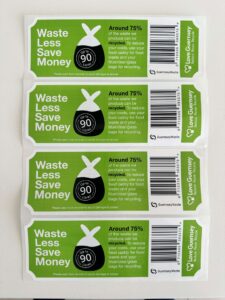
“If you just put a black bag out without a sticker, it won’t get collected,” Michael Grime, managing director of the Guernsey Recycling Group, one of the contractors in the island’s waste transformation told the Compass.
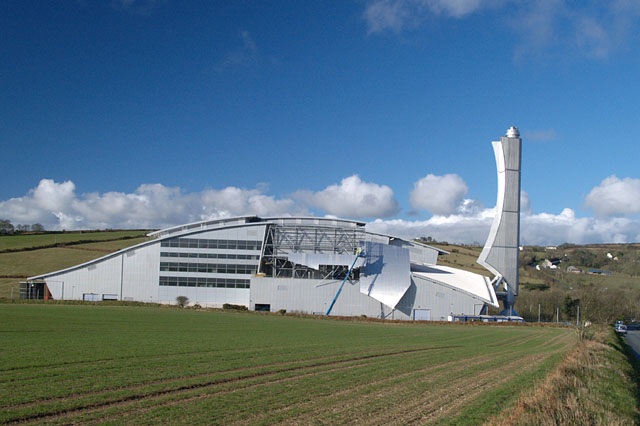
Instead of building its own energy plant, Guernsey created a waste transfer station, where residual waste is baled and shipped 1,000 miles to Sweden, where it is burned to create electricity.
The Guernsey example is particularly interesting for Cayman because it started the process of dealing with similar issues around the same time.
Faced with an unsustainable landfill and limited recycling, it adopted a solid waste management strategy in 2012 to completely rethink the system. A network of recycling facilities, public education and a collection cycle that made it easy to recycle, were critical to making the policy work.
The new facilities came online in 2019.
“Overnight that diversion from landfill was almost immediate. If you had 40,000 tons going into landfill that was reduced to a couple of thousand,” said Grime.
Cayman was similarly sized population to Guernsey, around 63,000, when it started its own solid waste management strategy in 2014. But the island has grown to more than 90,000 today and with the contributions of a thriving tourism sector produces almost three times as much waste as Guernsey.
That’s one of the reasons, Cayman pursued waste to energy as a solution.
But with that strategy deemed unaffordable for now, the concept of recycling and shipping out what’s left is an avenue that could be explored.
While there are numerous treaties and diplomatic hurdles to negotiate, Guernsey’s example shows that shipping waste across borders is viable.
Closer to home, communities in the Florida Keys don’t process their own waste, but truck it out. Doing similar for Cayman is theoretically possible. The island already ships recycling to Florida and could potentially utilise private waste management services in the Sunshine State if it chose to go that route.
2. Incinerate for energy
The Isle of Man follows the model that was outlined for Cayman in the ReGen project. The process there appears to have gone more smoothly.
In 2000, its government approved a national plan to reduce, reuse, recycle and recover energy through energy from waste, minimising the amount of trash being sent to landfill. By 2004, it had opened a £43 million ($48 million) facility that now processes around 50,000 tonnes of waste per year.
According to operator SUEZ’s annual report for 2024, it generates more than 25,000 megawatt hours of electricity for the island’s homes and businesses – around 10% of its annual needs – and is the second cheapest power provider, after a hydro plant.
The model is not cheap to build or run, but it eliminates landfill almost entirely for residual waste, while recovering energy value from material that would otherwise be buried.
Bermuda has operated a similar model for decades through its Tynes Bay Waste-to-Energy Facility, which handles around 68% of the island’s waste by incineration.
The Isle of Wight commissioned a new energy recovery facility in January 2025 with a capacity of 40,000 tonnes per year, generating enough electricity for around 5,000 homes, in a 25-year public private partnership costing around £225 million, according to news reports.
3. Ban trash completely
The tiny Greek island of Tilos, home to around 800 people in the Aegean Sea, has made world headlines for its revolutionary approach.
In 2021, in partnership with waste management company Polygreen, it became what its backers describe as the world’s first zero-waste island, going from sending 87% of its waste to landfill to diverting virtually all of it.
The ‘Just Go Zero’ initiative on Tilos works by removing all public rubbish bins and requiring residents to sort waste into personalised, QR-coded bags for doorstep collection. Electric vehicles transport these materials to a local facility where it is composted, recycled or transformed at an on-island Centre for Creative Upcycling.
The project required massive buy-in from the public and visitors and was made possible by the financial support of the waste management sponsor. The island, which is also a national park, has become a blueprint for eco-friendly waste management and serves as an education centre that draws visitors to study its methods.
The philosophy may be challenging to implement on an island the size of Grand Cayman, but it may be a possible blueprint for Little Cayman or Cayman Brac, which have their own waste management problems and much smaller populations.
4. Make recycling cheap and convenient
England and Wales drove change in waste management through a mix of carrot and stick, making it expensive and inconvenient not to recycle.
In 2000, England’s household recycling rate was 11.2%. By 2023, it was 44%. Wales, which runs its own waste policy, has pushed that further still – hitting 57% and targeting 70%, one of the highest rates in Europe.
The landfill tax escalator introduced in 1996 at £8 per tonne on any waste going to landfill and now at £130 – created a powerful financial incentive to keep waste out of the ground, according to Doug Simpson, principal consultant on waste strategy for Resources Future, a UK non-profit.
The UK’s 2003 Household Waste Recycling Act made curbside collection a legal requirement for every local authority.
But restricting non-recyclable ‘black bag’ collections to every two to four weeks while maintaining frequent, free weekly recycling is identified by non-profit Waste & Resources Action Programme as the UK’s most effective behavioural trigger.
This strategy forces residents to separate waste, and has driven high recycling rates, particularly in Wales, which pairs this approach with strict policies that limit collection of any trash that doesn’t fit in the designated bin.
Cayman politicians have floated the idea of making recycling mandatory and possibly charging for commercial waste disposal, but so far has not implemented anything.
5. Turn it into a park
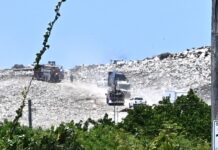
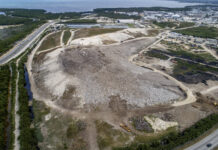
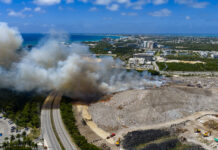
The endgame for the landfill in George Town is a second life as a natural open space in the centre of the island. The idea may sound fanciful to motorists who drive past the open trash pits on the daily commute, but it is actually the furthest advanced of all the concepts on this list.
Two trash mounds were remediated in preparation for the ReGen Project and are now starting to grass over.
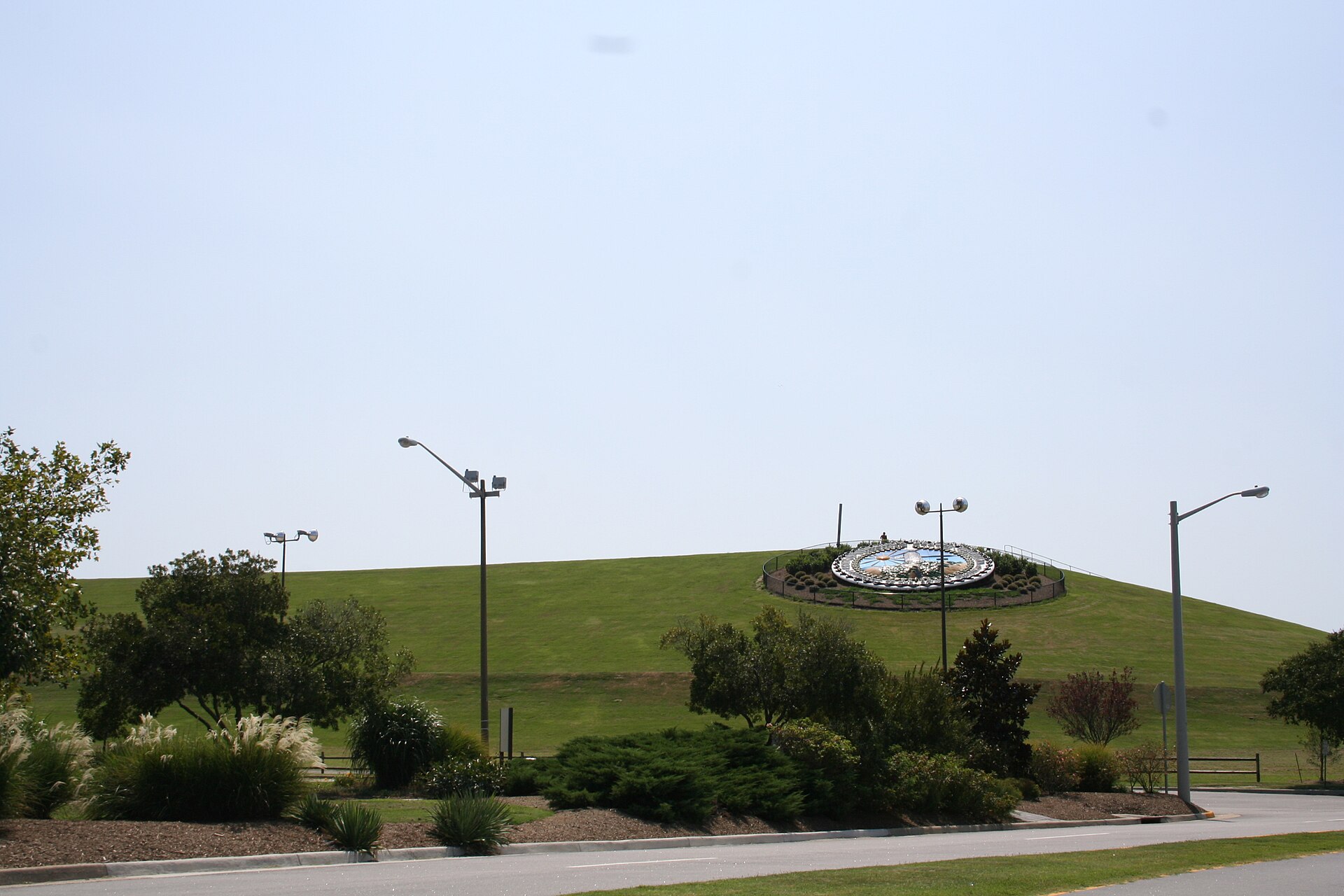
The similarly named Mount Trashmore Park in Virginia Beach is the premier global example of successful landfill reuse.
Closed in 1971 after compacting 640,000 tons of solid municipal waste, the city transformed the site into a world-renowned recreational park.
The transformation relies on specific, long-term engineering safeguards, including hidden methane gas vents disguised as flagpoles, to safely isolate the trash below from the public above.
The site includes walking trails, a skate park and two converted lakes, attracting over one million visitors annually.
Related Videos









Good article! The “Reduce, Reuse, Recycle, and Recover” framework (often known as the 4 Rs) serves as the ABSOLUTE CORNERSTONE of modern, sustainable waste management frameworks worldwide.
Thank you Compass for your relentless dedication to exposing one of the Cayman Islands’ most embarrassing and toxic secrets: the open-air mixed-waste dump.
The other hidden and barbaric in nature crisis is sexual abuse of children and the government’s indifference to it.
Words once spoken cannot be recalled.
2015
Premier and Health Minister Alden McLaughlin championed the targeted approach to child protection…
2026
the RCIPSreported a 20% year-on-year increase in recorded child sex offences
I absolutely love how the Greek island of Tilos is tackling its waste disposal problem.
Some very good ideas, but here we have politicians that make a minimal effort to improve matters, based on the established protocol of “leave it to the next lot”.
Unfortunately, the current political class will never fix the long-standing problems with Cayman. They are not incentivised to do so. I wrote about this earlier this year:
“[H]ere lies the fundamental political economy trap: implementing these reforms requires the current political class to vote for significant constraints on their own power, shorter tenures, greater accountability, and real consequences for corruption. This is extraordinarily unlikely absent external compulsion. Politicians who have built careers on buying votes, who benefit from institutional weakness, and who face no meaningful consequences for fiscal irresponsibility or economic vandalism will not voluntarily surrender these advantages. Appeals to patriotism or long-term thinking founder against the immediate electoral incentives favouring continued populism.”