For the latest information on storm activity in the Cayman Islands, as well as information on how to prepare for hurricane season, visit Storm Centre.
Colorado State University’s Tropical Meteorology Project has reduced the number of storms it is projecting for the Atlantic hurricane season by two, while maintaining its forecast of an “extremely active” period ahead.

CSU, in its latest forecast released on Tuesday, said it now estimates 23 named storms this season, down from the 25 storms it projected in July in the aftermath of Hurricane Beryl.
This means it is projecting at least 19 more named storms, or storms that reach at least tropical storm wind speeds of 39mph or more, for the remainder of the season.
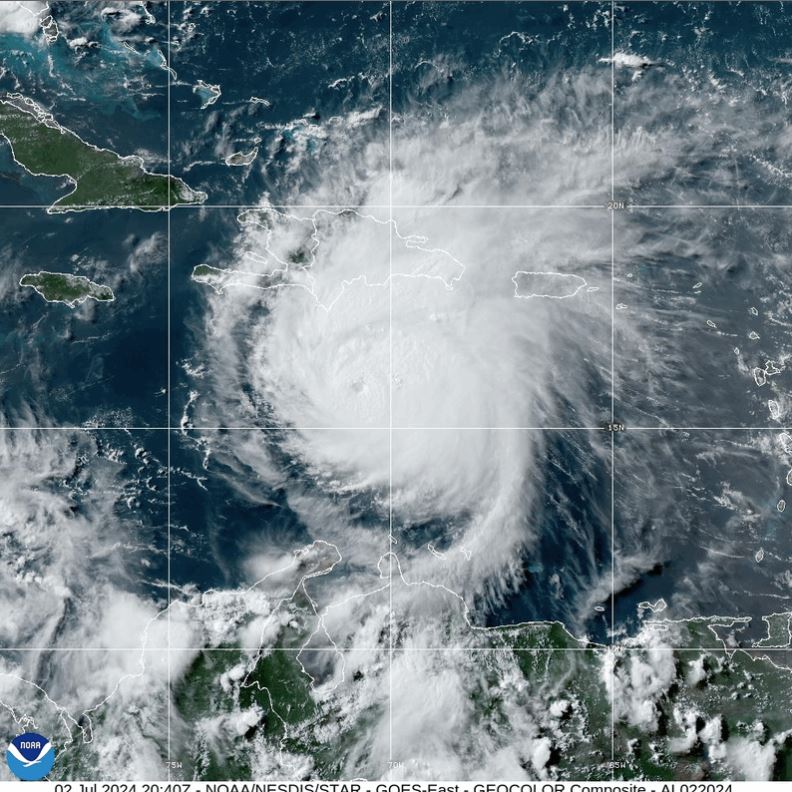
To date four named storms have formed in the Atlantic – Alberto, Beryl, Chris and Debby – all of which are included in the latest season forecast.
Dr. Phil Klotzbach, a CSU meteorologist and research scientist, told the Cayman Compass via email that though the storm number dropped slightly, the forecast remains unchanged when it comes to the estimate of 120 named storm days, 12 hurricanes, 50 hurricane days, and six major hurricanes, reaching Category 3, 4 or 5.
It also estimates 16 major hurricane days for the season.
“The main reason for the reduction in named storms was that we didn’t have any for several weeks,” Klotzbach said. “The most named storms on record to form after 1 Aug. was 21, so given we were at three named storms at the end of July (Debby formed in early August), it seemed prudent to reduce the number of named storms.”
He said the projected number of hurricanes, major hurricanes and Accumulated Cyclone Energy for the season stays the same.
“We are still expecting a very busy season, basically for the same reasons we did with our earlier outlooks e.g., extremely warm Atlantic, likely trend towards La Niña,” he said.
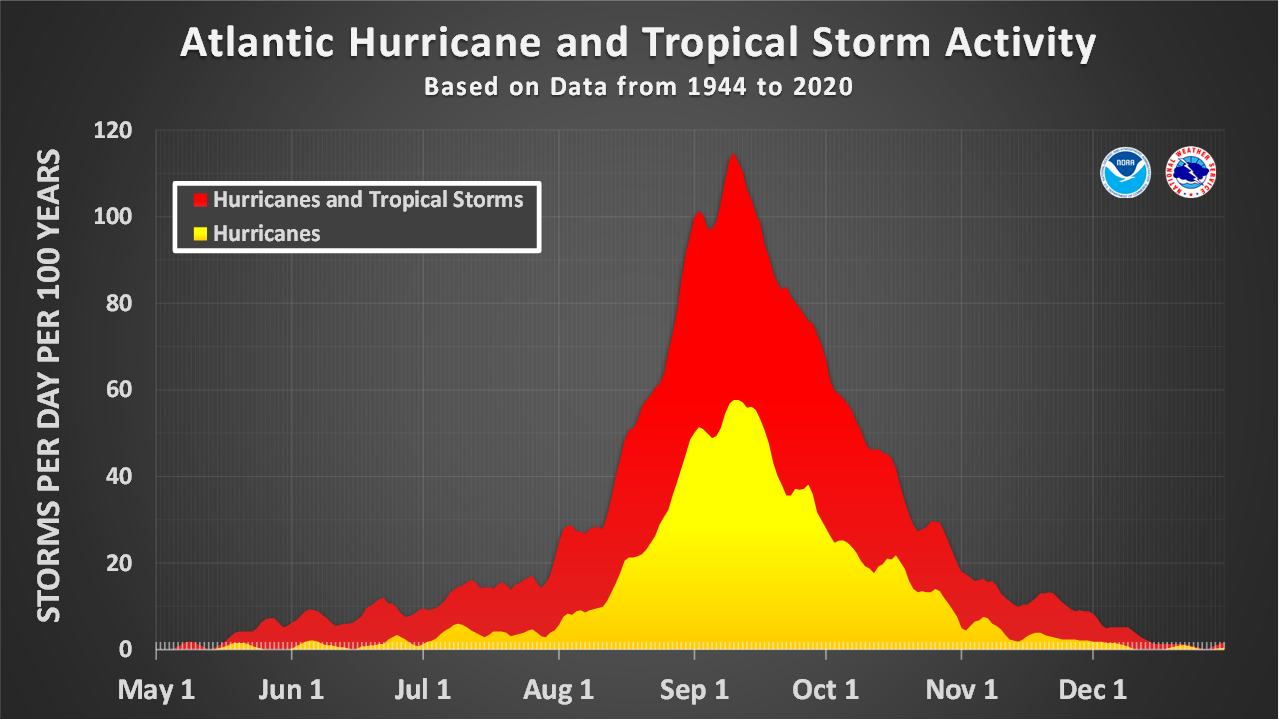
The Atlantic hurricane season typically starts to ramp up in about two weeks, he said.
“My mentor Dr. Bill Gray used to ring a bell every year on 20 Aug. signaling the active part of the Atlantic hurricane season. That’s due to a combination of continued warming sea surface temperatures, low levels of vertical wind shear and reductions in dust/dry air that typically occur around the middle of August,” he said.
The forecast said the sea surface temperatures averaged across the hurricane main development region of the tropical Atlantic and Caribbean “remain near record warm levels”.
“Extremely warm sea surface temperatures provide a much more conducive dynamic and thermodynamic environment for hurricane formation and intensification. We continue to anticipate cool neutral [El Niño-Southern Oscillation] ENSO or La Niña during the peak of the Atlantic hurricane season, resulting in reduced levels of tropical Atlantic vertical wind shear. This forecast is of above-normal confidence,” the forecast said.
Temperatures averaged across the main development region currently measure around 1.1°C above the 1991–2020 average.
“This warmth favors an active Atlantic hurricane season via dynamic and thermodynamic conditions that are conducive for developing hurricanes. While early season storm activity in the western Atlantic typically has little relationship with overall basinwide activity, deep tropical hurricane activity in the tropical Atlantic and eastern Caribbean (such as we saw with Beryl) is often associated with hyperactive seasons,” the forecast added.
Klotzbach also advised against making too many inferences about storm intensity for the rest of the season from either Chris or Debby, as Chris developed just before landfall, and Debby also had significant land interactions with Hispaniola and Cuba before it was able to develop.
“Once Debby got clear of Cuba, it intensified by 30 mph in a 24-hr period. That’s just below the threshold of rapid intensification (35 mph/24 hr). Also, Debby was reaching its peak intensity at the time that it made landfall, so its intensification rate was also arrested by land,” Klotzbach said.
The CSU meteorologist said, given the models and projections, “People certainly shouldn’t let their guard down. Now’s the time to prepare in case other storms do threaten later this year.”
Related Videos