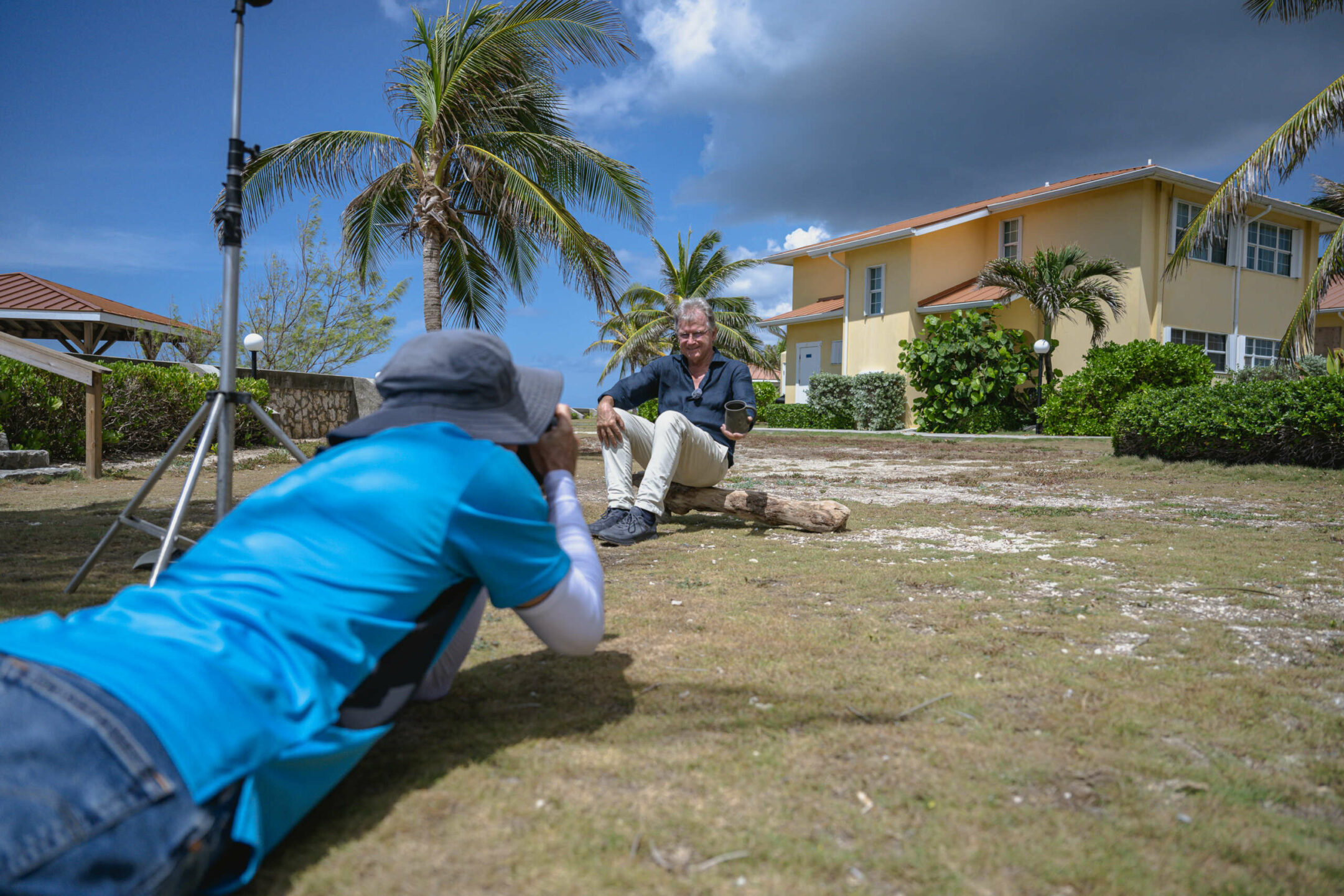
Photographer Courtney Platt takes a moment to reminisce as he assembles his tripod on the soft green lawn of the Ocean Club complex in Prospect.

“All of this was rubble,” he marvels.
“There were coral boulders ripped off the reef that rolled right through this property and pulled up all this structure which became battering rams to tear this place down.”
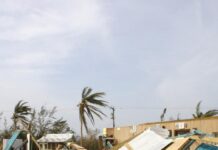
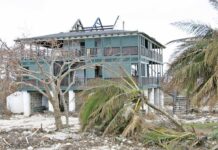
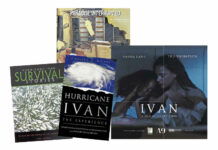
An aerial photograph from Platt’s book ‘Paradise Interrupted’ shows condo units levelled by the 13-foot storm surge that swept across the south shore of Grand Cayman on 11 Sept. 2004.
Platt’s collection of photographs before, during and after Hurricane Ivan are perhaps the most comprehensive historical record of the carnage caused by the fateful storm.
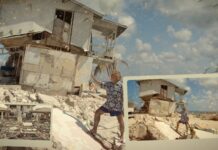
In a partnership with the Cayman Compass to commemorate the anniversary, he has reshot some of the most striking images from that book.
The new collection stands as fresh testimony of Cayman’s resilience. It also provides a chilling reminder of the extent to which we still live at the mercy of nature.
‘Someone must have died here’
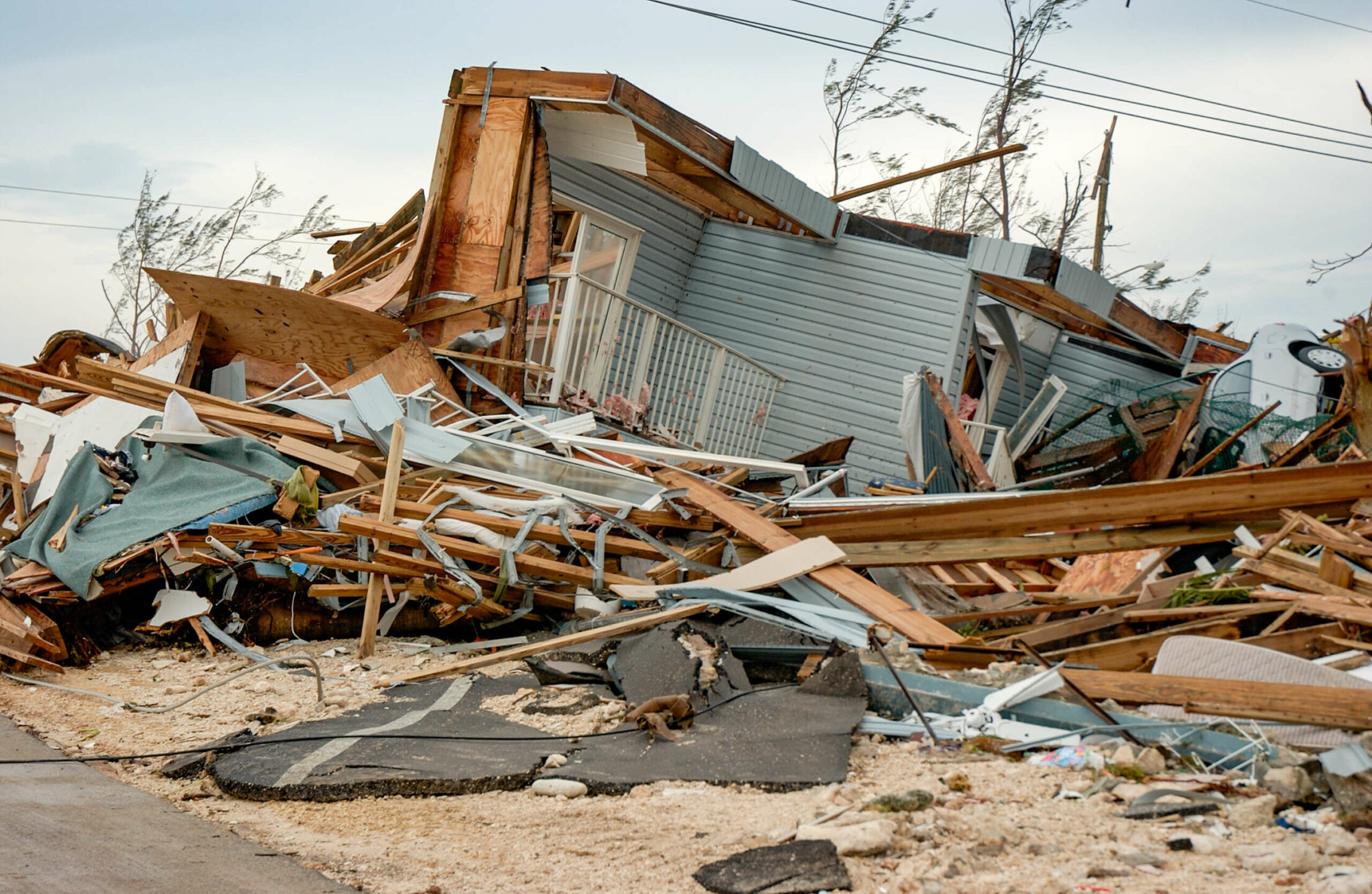
On location at Ocean Club last month, Platt recalled his feeling of dread from two decades ago as he arrived at the site to find buildings demolished and cars and household appliances piled in crumpled heaps of twisted metal.
“When I first walked up here and saw all the wreckage, it was an eerie feeling because my first thought was that someone must have died here,” he said.
Sitting on the freshly painted boardwalk, looking in one direction to the horizon, and in the other to the rows of well-kept condos, it was hard to believe it could be the same place.
“When you look at this serenity here, this beautiful, calm sea, just quiet lapping waves coming onshore, it’s really hard to imagine 13-foot storm surge, with waves on top of that being driven by 150 mile per hour winds coming through here.”
The same happened all along the south coast. The timber-framed condos of Mariners Cove were swept into the road. Platt recalls having to take a detour through the foundations of the demolished property to pass the debris as he drove east towards Bodden Town.
Witness to history
Before, during and after the storm, Platt says he didn’t stop shooting.
If a picture tells a thousand words, his Hurricane Ivan collection is its own library.
Flicking through the pages of his book 20 years later, even the man behind the lens appears surprised at what they depict.
A man sleeping on a mattress in the remains of his derelict home; houses buried up to the eaves in sand; tombstones lifted from their resting place and carried clean across the road; weary-faced men burning pyres of debris in the aftermath; and everywhere the twisted carcasses of cars and boats.
One striking image after another details the extent of the carnage.
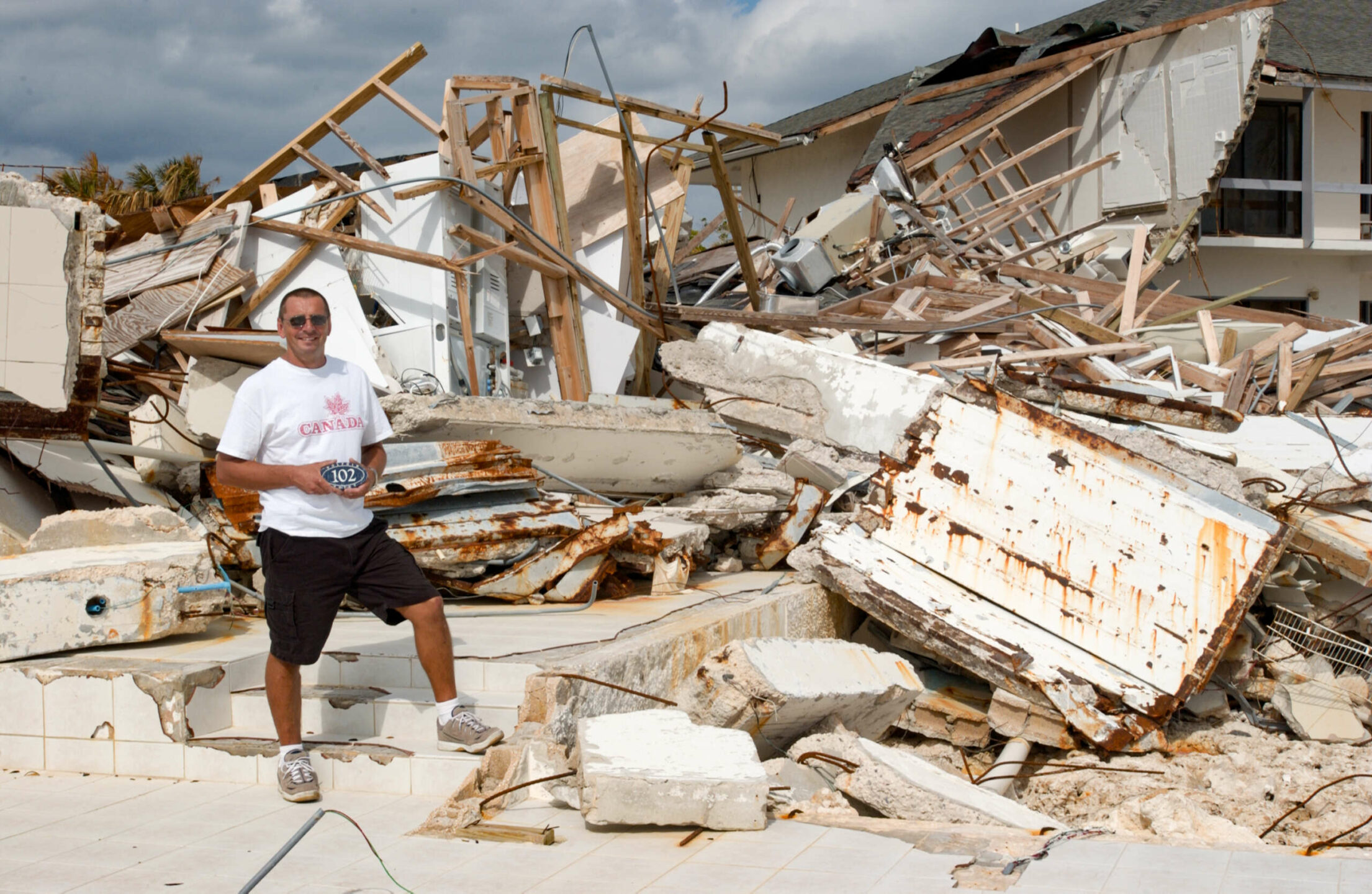
the ground amidst waves and rubble.
The unfathomable figure of $3 billion worth of damage doesn’t tell the story the same way as the twisted broken canopy of a gas station forecourt, the empty tiled foundations of wiped-out homes or the bright yellow bulldozers scraping once-treasured property off the roadways.
Platt wasn’t aware at the time that he was making a book. But as a magazine photographer he felt it was his duty to document.
“Before Ivan hit it was obvious this was going to be a big one. I started shooting the day before it arrived and then saw every reason to just keep shooting for the next few months and on until the first cruise ship returned to the island.”
The project came together over time, in between taking care of his own family and neighbours and surviving the blistering hot aftermath of the storm when many lived without proper shelter or utilities for months.
Retrospective on resilience
The challenge in reshooting the photographs has been to design images that match the impact of the originals.
But in a sense, the power of his new collection comes from the contrast.
“The impressive part of this retrospective is the Ivan photos,” he said.
“You say, ‘Wow, here now is how it looks today, but look what it did to that place back in 2004’.”
There is a hopeful message in the images because they demonstrate that even in the face of such adversity, Cayman came together and came back strong. Many of the properties have been rebuilt and new building codes have been introduced that will hopefully make Cayman stronger in future.
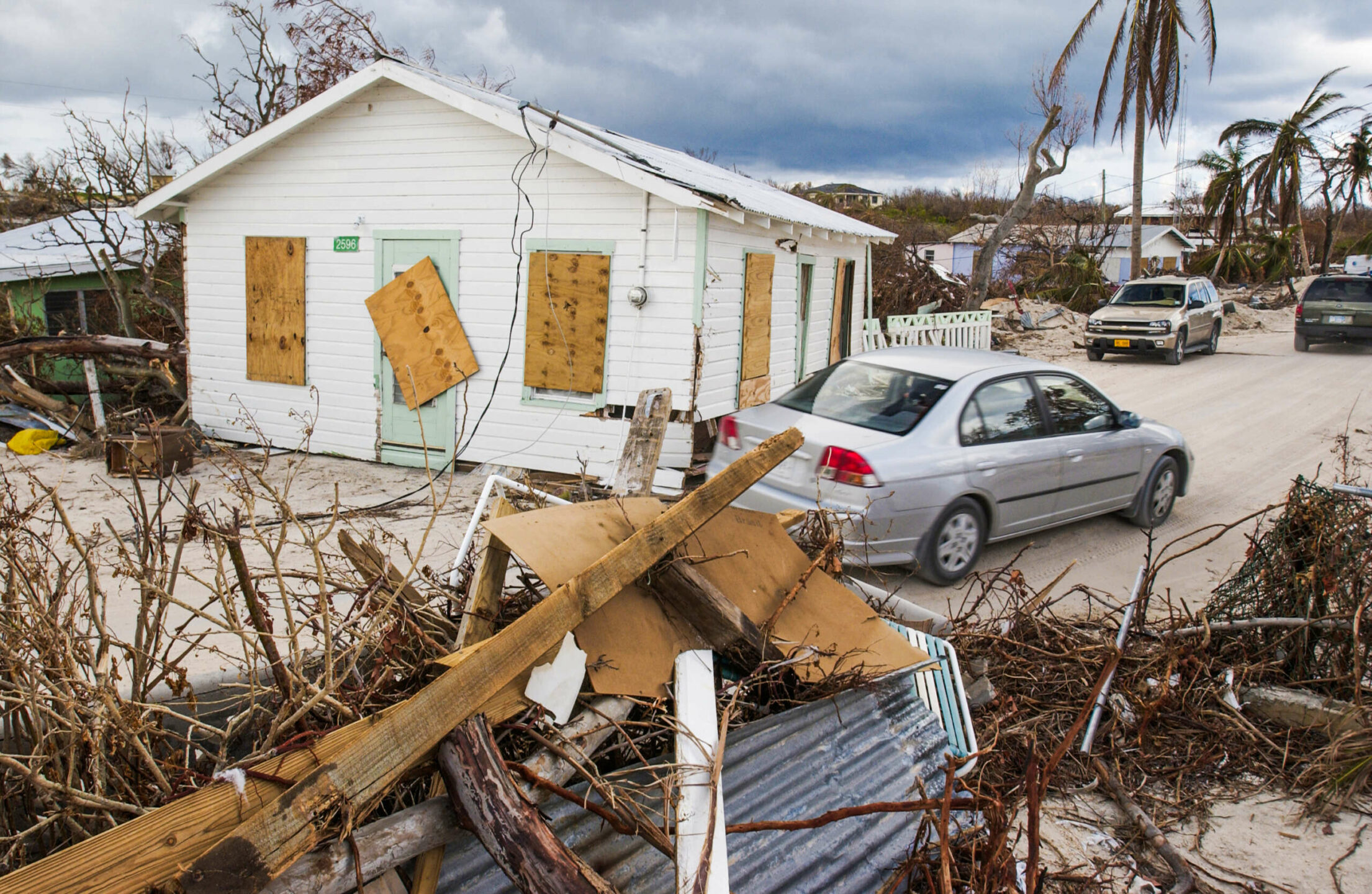
But Platt is not convinced that the lessons have been fully absorbed. With an increasing frequency of high-intensity storms projected, he cautions that Cayman must do more to protect against the worst impacts of another mega storm.
And with new residents arriving every day, he is concerned that those who did not live through Ivan – and even some of those who did – could become complacent about the threat.
“The reason I did this book was knowing that, or assuming that, had there been a book like this from the 1932 storm, maybe people would have built differently before Ivan hit us. And so I expected that after Ivan and after this book, that all the reconstruction would be built on stilts, farther back off the sea, you know? Smarter.”
Related Videos