

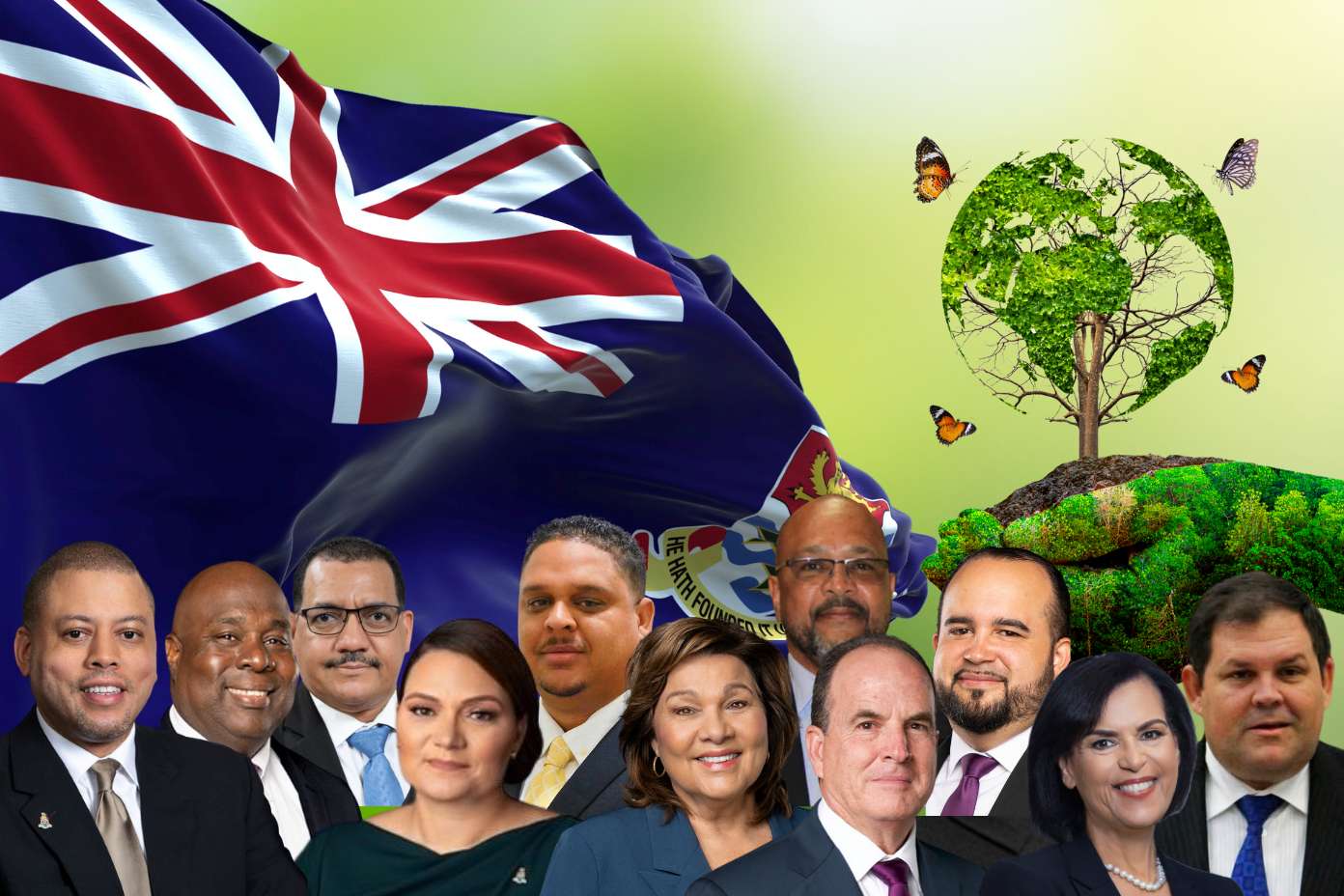
Environmental campaigners are hailing the election of newly formed National Coalition For Caymanians as a watershed moment for sustainability, signaling promise in how the islands balance development and environmental protection.
Community group, Sustainable Cayman, described the combined manifestos of The Caymanian Community Party and the Cayman Islands National Party, which emphasise “environmental protections, integrated planning, and evidence-based decision-making”, as a “genuine turning point for the environment”.
Shirley Roulstone, head of the Cruise Port Referendum group said, “We certainly are happy and relieved that our new government was formed with very capable individuals … We trust that they will prioritise the real issues that are affecting all Caymanians and residents and tackle them accordingly.”
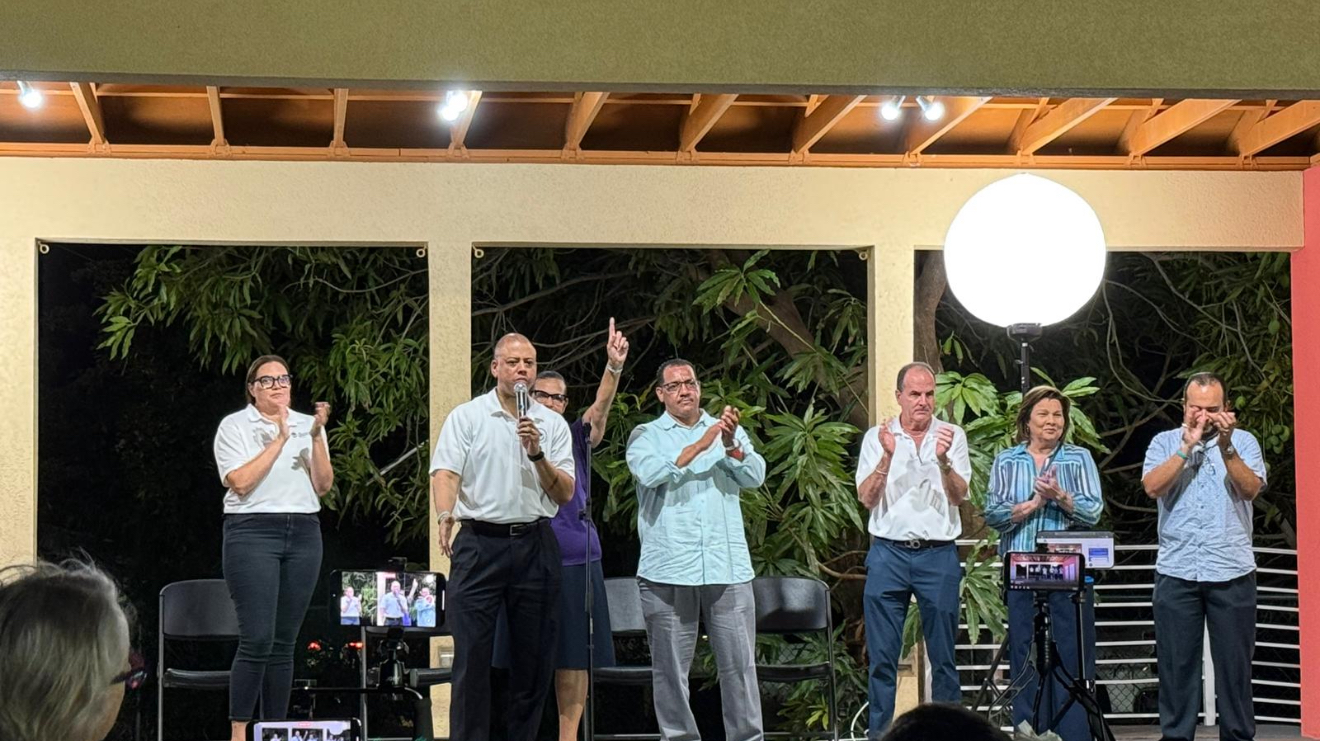
Environmental protection: a defining political battleground
André Ebanks, Cayman’s incoming premier, identified sustainable development as a top priority for the coalition government. Ebanks, along with Katherine Ebanks-Wilks, Heather Bodden, and Sabrina Turner made headlines last October when they broke from the UPM government, citing mounting concerns over decisions they believed posed long-term risks to the islands’ environment.
While Turner lost her seat in the election, Ebanks-Wilks will reclaim her ministerial role in the Ministry of Sustainability and Climate Resiliency, while Bodden is expected to serve as a ministerial councillor in the new administration.
Central to the resignation of the four former UPM members — who would later form the 10-member TCCP party — was the controversial National Conservation Amendment Bill. The proposed legislation would have gutted environmental safeguards by eliminating mandatory environmental impact assessments for government projects and stripping scientific experts from the National Conservation Council. Critics said the bill risked “irreversible damage”.
At the time, the National Trust expressed alarm over the bill’s sweeping changes made without consultation. Sustainable Cayman rallied over 500 signatures in a public petition against the bill.
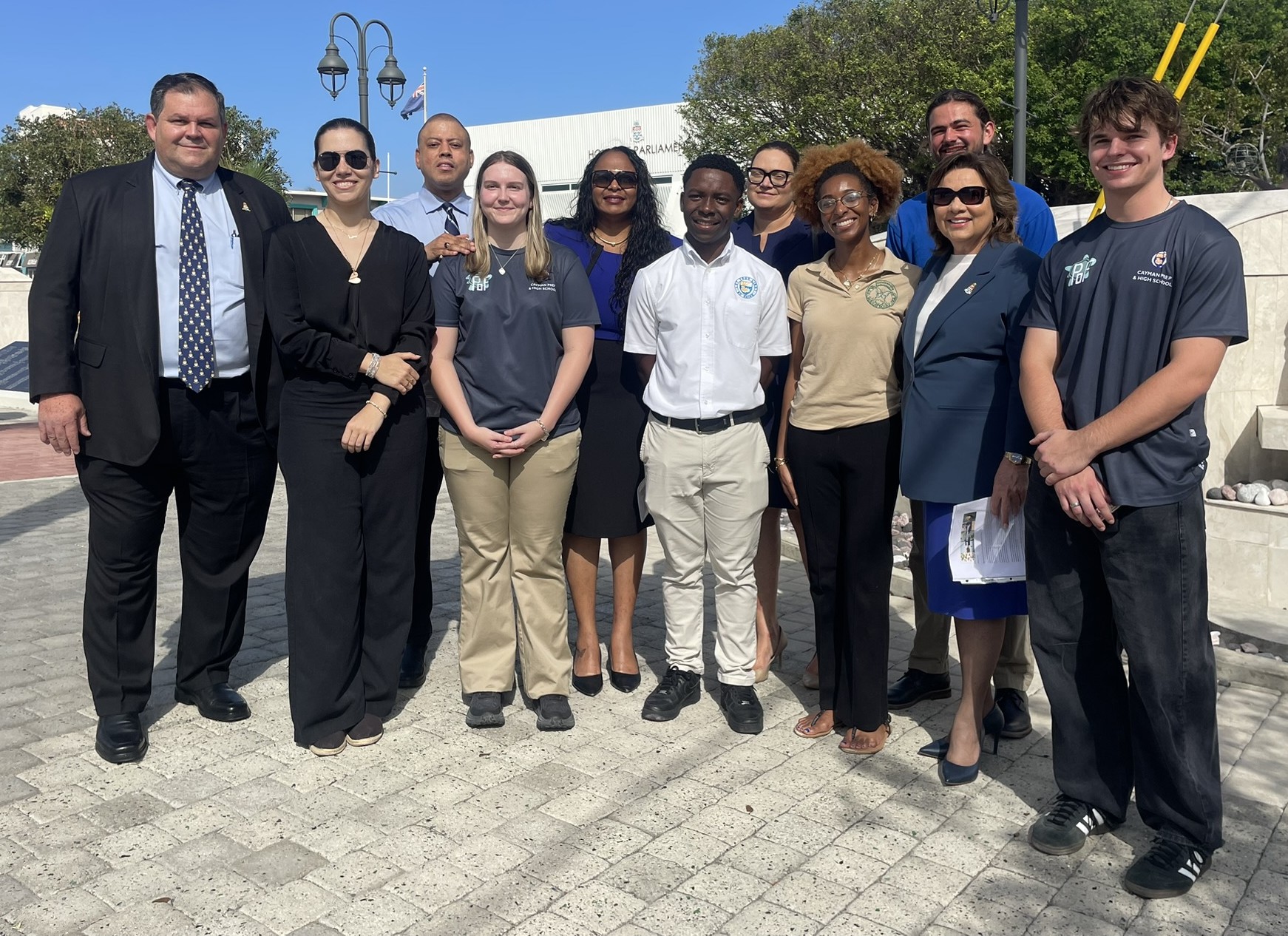
In February, upon recognition that it would not get the support needed to pass in Parliament, the minority UPM government made an abrupt withdrawal of the bill.
“This is a vindication of our 31 October 2024 resignations,” responded the four former UPM members in a joint statement. “Had André Ebanks, Katherine Ebanks-Wilks, Heather Bodden and Sabrina Turner not resigned, we would have been bound to pass this far reaching and harmful Bill which would undermine the quality of life for this and future generations.”
Cruise Port Referendum victory
Environmental advocates are also celebrating their victory in the cruise port referendum vote, seen as another major win for conservation, with 11,973 people — or 68.9% of those who voted yes or no — voting against the controversial question: “Should the Cayman Islands develop cruise berthing infrastructure?”
For the past seven years, environmental advocates have argued that cruise berthing infrastructure is harmful to the local environment because it would require dredging in George Town Harbour, destroying vital coral reefs and disrupting marine ecosystems.
“This vote may be non-binding but it is a win for people, for country and for generations to come,” said one member of the “Vote No” WhatsApp group, following the announcement of the results.
“We’re overwhelmed and grateful,” said CPR leader Shirley Roulstone. “This is the result of seven years of grassroots effort, research and resilience.”
Another spokesperson for the group has implored the new government to, “honor the result and understand the people have used their voices on this matter regarding building any proposed cruise berthing infrastructure or facility in the future.” So far, the new government has not made any official statement on whether it will uphold the results of the referendum, though political observers remain hopeful.
Prospects for environmental protection
Sustainable Cayman is now urging the new government to employ a “holistic approach,” calling for a national climate strategy, sustainable building practices and a rezoning framework that aligns with climate resilience. Priorities raised by the group include renewable energy, recycling systems, shade tree protection, stormwater management and food security.
In parallel, the organisation has acknowledged that while efforts are underway to develop a modern and effective National Development Plan, the process will take time. In the interim, the organisation has cautioned that weak regulatory frameworks leave the door open for unsustainable development, calling for a moratorium on planning variances and concessions that fall outside the scope of the existing Development Plan.
These calls come as the newly formed coalition includes several prominent environmental champions; among them Wayne Panton, former premier and Cayman’s first minister of Sustainability and Climate Resiliency; Katherine Ebanks-Wilks, returning to the same ministerial role with a strong track record in advancing renewable energy policy; and Ezzard Miller, the new speaker of the house and a board member of the National Conservation Council. Their inclusion reinforces expectations that environmental protection will remain a central focus for the National Coalition For Caymanians.
Related Videos










I am a retired Development contractor and enjoyed working with the DOE and CPA for 45 years to insure all my projects were sustainable for the Cayman Islands environment.
Since 2007 ALL my condo projects and home developments were built with solar renewable energy and using a private recycling company.
The National Conservation Law is a huge win for a sustainable National Development Plan for our future generations.
Does this mean the new government is going to fix the West Bay dock and replace the sand on SMB