A 33-year-old man appeared in court Thursday charged with the abduction and murder of a toddler on Cayman Brac following what investigators described as a “complex” and “meticulous” three-year investigation.
Two-year-old Alissady Azalea Powell was found dead on the ironshore coastline off South Side Road in the Brac, after being reported missing from her home on 26 July 2022.
Police consulted multiple forensic specialists in a lengthy and complex inquiry that culminated in charges being filed by the Director of Public Prosecutions this week.
The suspect, 33-year-old Devon Emmanuel Wright Jr., appeared briefly Thursday in Summary Court where the charges were transmitted to the Grand Court. His next appearance is scheduled for 11 July.
Two women who were arrested along with Wright in December have been released from police bail without charge, detectives confirmed during a press conference Thursday evening.
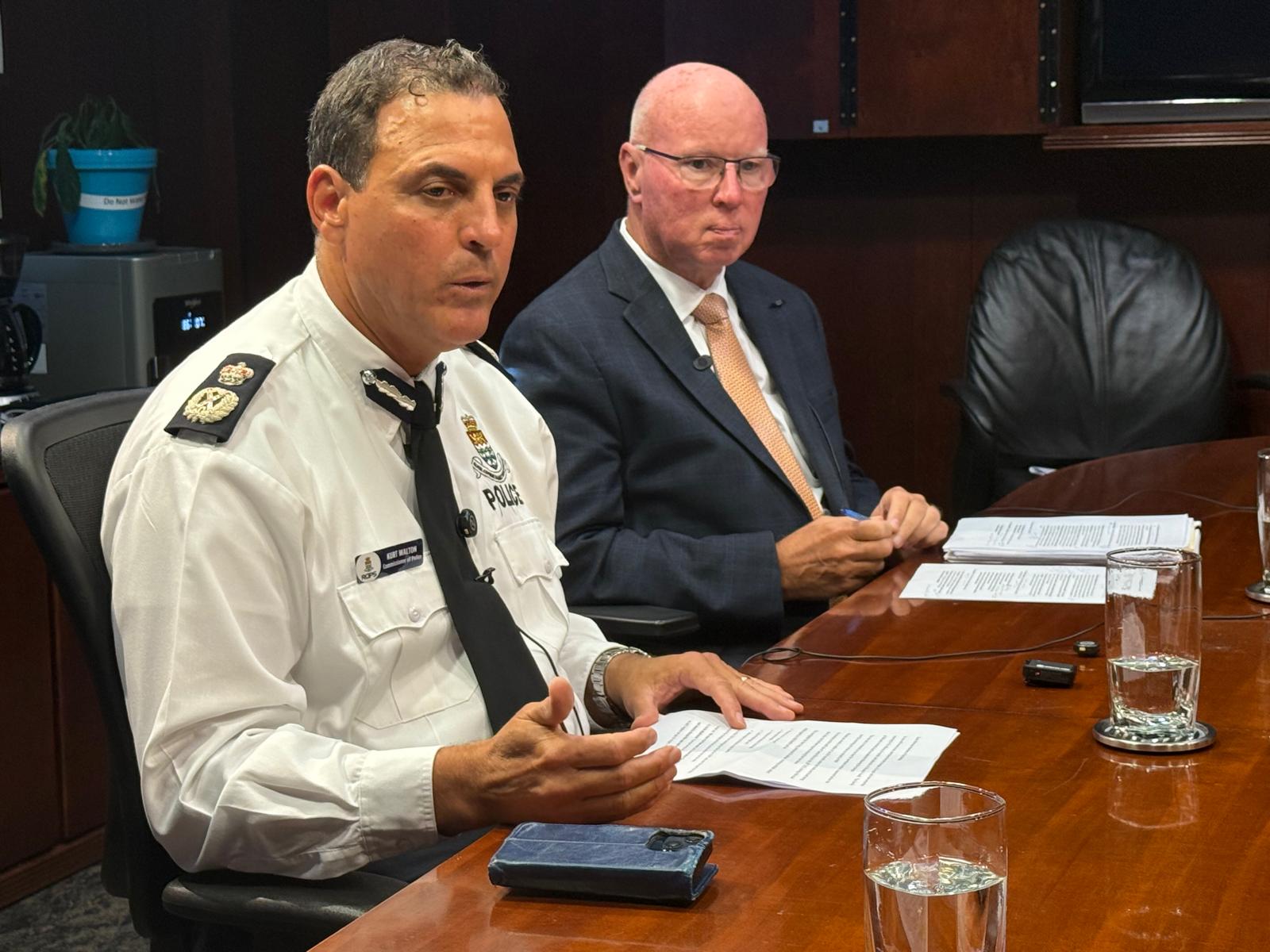
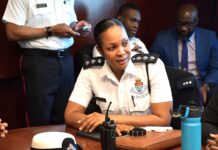
Commissioner Kurt Walton insisted police had never given up on getting justice for the child. Walton, who took over as police commissioner in 2023, said he had made child safeguarding a priority.
He added, “I say it today as I said back then, I was determined to make sure that we exhaust all lines of inquiries, no matter the cost, till we got to the bottom of this young girl’s death so that we could deliver justice for the family and for young Alissady.”
He declined to comment on what had led to a breakthrough in the investigation nearly three years after the death, saying the details would come out during the course of the court proceedings.
Walton added, “I must say this case is far from over and is now before the court where it is to be adjudicated.”
The Compass had previously reported that the official cause of death was initially given as drowning and that the child’s mother had hired her own forensic investigator, who had concluded it was a homicide. Walton declined to comment on those claims on Thursday.
In December, police said new forensic evidence indicated the cause of death had not been drowning but strangulation.
Police insist they always treated the case as an “unexplained death” and drafted in multiple experts from overseas to assist with what was a difficult and complex case.
“We have always kept an open mind on the investigation and it has remained that way throughout,” Walton said.
He said experts on child deaths, including forensic pathologists, neuro and cardiac pathologists and a professor of paediatric radiology had been among the specialists consulted.
“Following this meticulous investigation, there was sufficient evidence that led to the charges currently before the court,” he added.
The commissioner accepted there could be questions about the pace of the investigation, which he said had been subject to peer review.
“I’m open to any further review. I think it’s only right to have an open, transparent process so we can learn from any mistakes that may have been made along the way. However, I think at this point in time, it is only fitting that it remains within the precinct of the court,” Walton said.
Chief Inspector Malcolm Kay, area commander for Cayman Brac, said an initial internal review conducted by investigators from the serious crime review team and a second review involving an overseas investigator with specific expertise in child deaths had resulted in recommendations that proved helpful to the investigation. He said this was a common approach in serious and complex investigations.
Pressed for details about why the case was not identified as a murder sooner, Detective Superintendent Peter Lansdown said police investigated “every possible avenue and opportunity” in serious cases.
“Sometimes it’s very obvious, sometimes it’s very challenging,” he said.
Citing the Powell case as well as the investigations into the death of Judiann Myles and the disappearance of Andrel Harris, he said, “These have been some very, very challenging, lengthy decisions, but the investigations take the same route all the way through, and we almost invariably come with the right decision at the end.”
- Additional reporting by Raymond Hainey
Related Videos