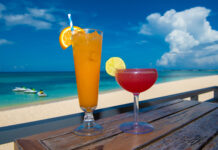
Cayman may be famous for mudslides and rum punch, but a new alcohol-free trend is rapidly carving out a place on drinks menus and store shelves.
From de-alcoholised wines to global beer brands brewed without the buzz, zero-proof options are gaining ground as health-minded consumers trade intoxication for moderation.
Emma Sheehan, who moved to Cayman from Ireland two years ago, said she began drinking 0% beers to avoid hangovers and keep up with her fitness routine. “I like socialising but I’m not a big alcohol drinker,” she said. “I found I got sick of drinking sodas or water all night, so adding in a non-alcoholic beer or mocktail is a great way to mix it up and not feel sick the next day.”
Bars and restaurants are beginning to respond.
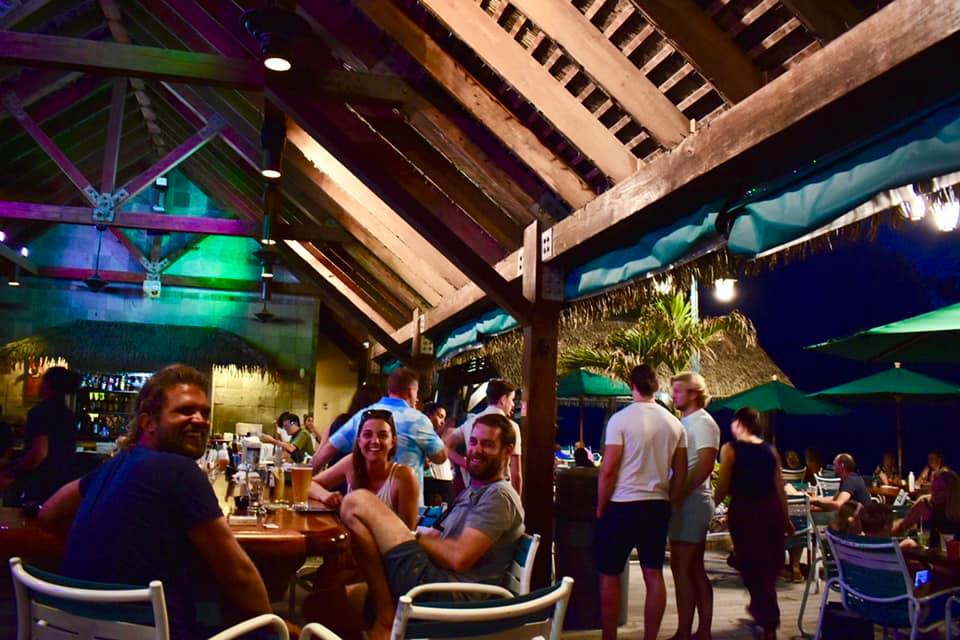
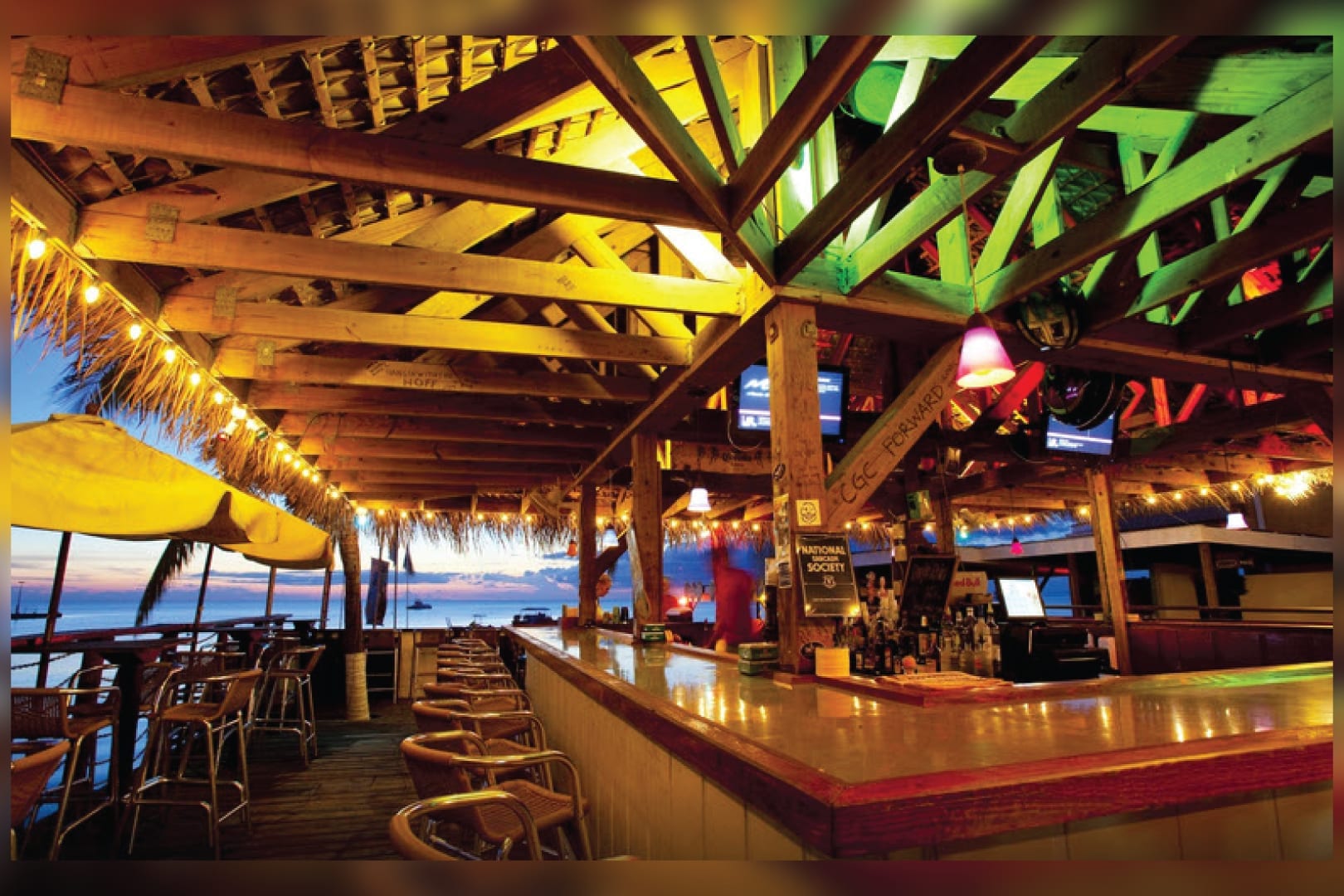
At Sunset House, bar manager Carol Boulton says the demand for non-alcoholic options is growing. “Better tasting products have helped,” she said. “For health and personal reasons, people are choosing not to drink.”
Cayman Cabana has also embraced the trend. “Our commitment to celebrating our culinary culture extends into our non-alcoholic beverages,” said owner Luigi Moxam, pointing to a menu that includes non-alcoholic beers, spirits and mocktails made with seasonal ingredients, alongside fresh juices such as coconut water and the restaurant’s award-winning Swanky lemonade.
Cayman Distributors Group, a major wholesaler, distributor and retailer of beer, wine and spirits, reports that sales of Corona Zero have jumped 400% since its 2021 debut on island.
“These are the fastest-growing categories globally,” said general manager Alex McClenaghan, pointing to Gen Z and millennials as the main drivers. “[They’re] increasingly prioritising a healthier lifestyle and social inclusion … and adopting a year-round moderation mindset that emphasises balance, well-being and mindful consumption.”
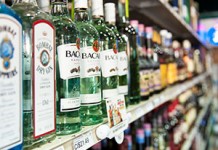
According to McClenaghan, non-alcoholic wines have evolved from simple, sweet bottles into sophisticated varietals with depth and character, minus the calories or health risks. Blackbeard’s now stocks more than a dozen, including South Africa’s Chamdor, France’s Pierre Chavin and Spain’s Monasterio.
“It’s no longer seen as trading down,” added Lizzie Bowes, brands coordinator at Tortuga Rum Company. “It’s an equal-quality option.”
Tortuga recently launched a Mionetto alcohol-removed sparkling wine, produced in Italy using a process that retains the flavour of prosecco while eliminating the alcohol.
According to Bowes, the launch reflects a broader shift. “The ‘no and low’ movement has been growing globally over the last few years, and it’s something that we’re seeing a demand for here in Cayman,” she said.
That demand is part of a worldwide surge. Globally, the non-alcoholic beer market is projected to more than double, rising from $20.5 billion in 2025 to $43.9 billion by 2035, with annual growth of about 8%. In the US, zero-proof spirits were the fastest-growing category in 2024, with case volumes up 108% and dollar sales up 86%, according to NielsenIQ.
Local conditions make Cayman an especially fertile market.
With a relatively strict drunk-driving limit of 0.07% blood alcohol – lower than the United States, Canada and the United Kingdom – even two beers or glasses of wine can put an average drinker over the edge. In 2024, the Royal Cayman Islands Police Service reported 281 drunk-driving arrests, most of them at double or triple the legal limit.
Public-health data tells a similar story. Cayman’s latest STEPS survey found that 55% of adults drink regularly, up from 51.5% a decade earlier, with nearly one in five admitting to heavy-drinking episodes. The survey highlights drinking as a chronic disease risk factor that, if left unchecked, can contribute to premature death.
Even so, some residents said that despite the welcomed progress, some venues lag behind in providing alternatives.
“It was difficult when I first stopped drinking as most places only gave a choice of kids’ drinks or water,” said Serena Evans. “The island is slowly getting better with 0%, I think.”
Cayman Cabana has begun to answer that call with a growing line of Cayman-inspired mocktails. “Guests aren’t always keen to have an alcoholic beverage. … We always try to stay true to our ethos over the years of exploring balanced and fun culinary experience, even if it’s non-alcoholic,” said Moxam.
Related Videos