

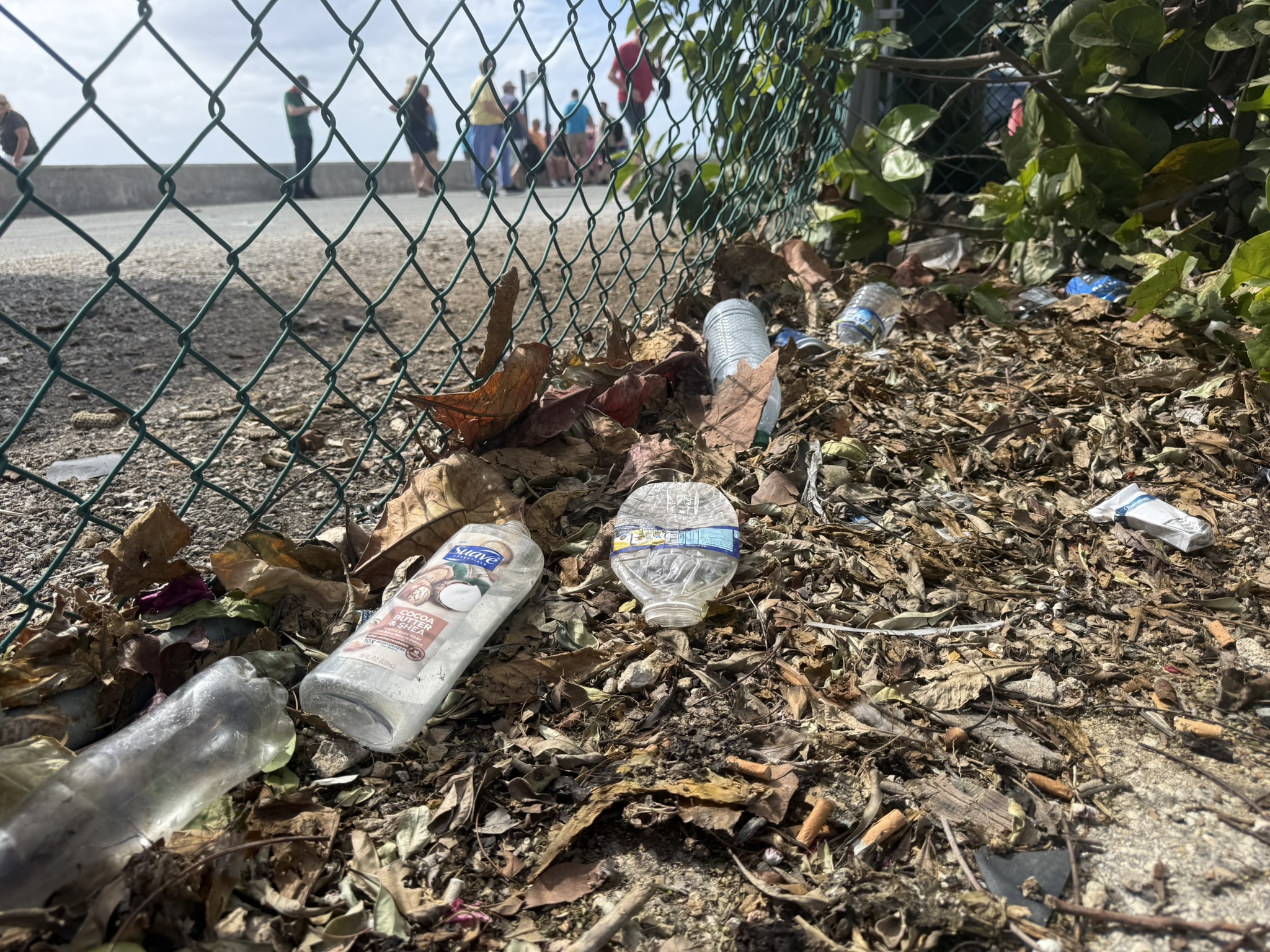
Government is asking for the public’s opinion on its plans to update Cayman’s litter laws, which could see offenders face a $5,000 fine or a 12-month jail sentence.
The Ministry of Health, Environment and Sustainability said that the proposed legislation “represents a significant step toward tackling litter, protecting public health and preserving the natural beauty of the Cayman Islands” with stronger fines for littering and clearer enforcement powers to fight the problem.
The current penalties, as shown on signs across Cayman saying, “Keep our islands clean”, are a $500 fine or six months imprisonment.
Public consultation
The Litter (Amendment) Bill, 2026 was officially gazetted on 5 Feb. and is now open for a 28-day public consultation. The Bill updates the Litter Act (1997 Revision) and addresses long-standing public concerns, as well as recommendations from the Beautification Task Force. Members of the public are being encouraged to share their views on the proposals.
“The Cayman Islands’ environment is one of our greatest assets, and protecting it is a shared responsibility,” said Health Minister Katherine Ebanks-Wilks. “Littering is not a minor issue – it affects public health, community pride and our natural ecosystems. This Bill sends a clear message that we are serious about safeguarding our islands for current and future generations.”
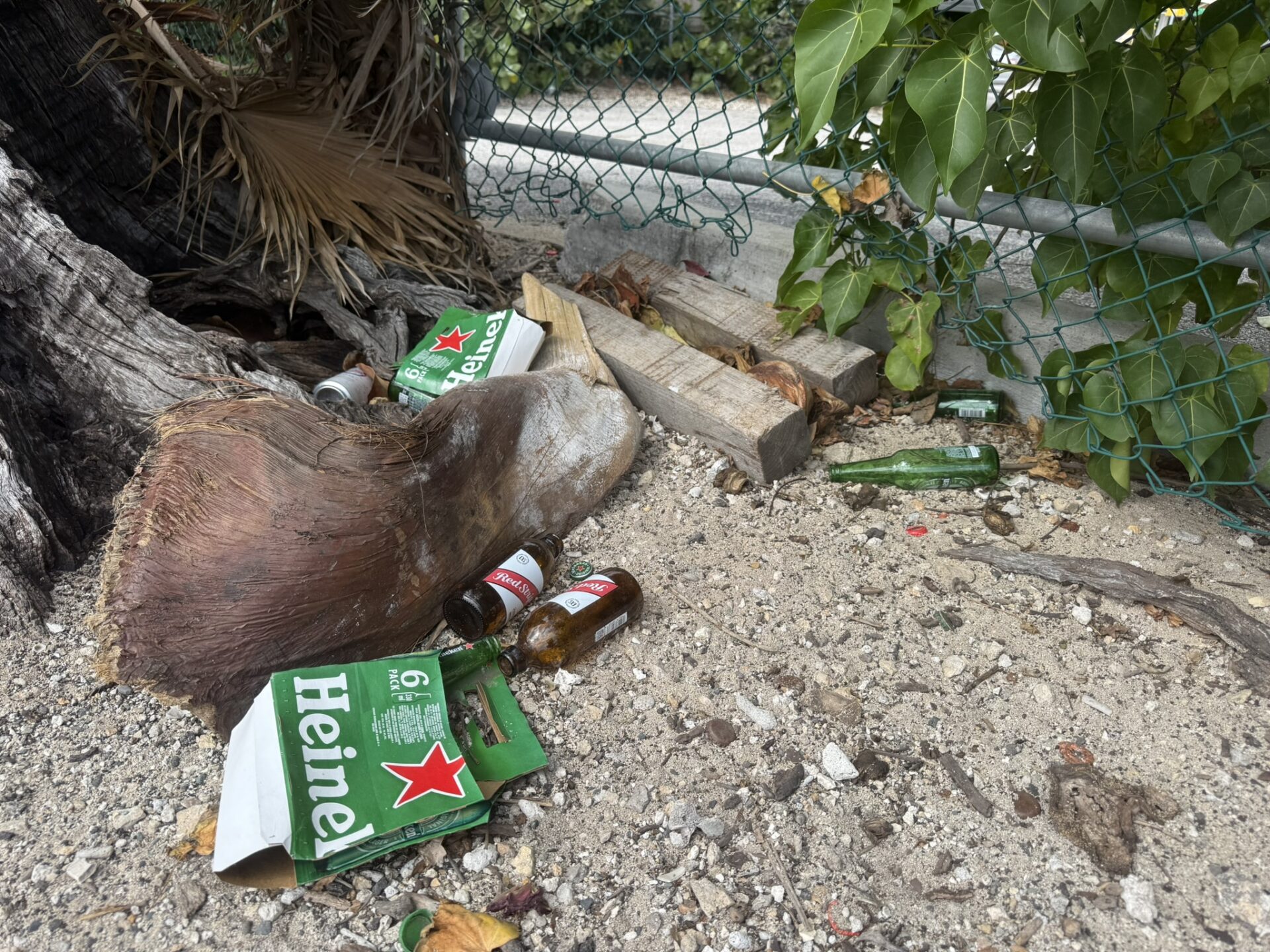
The proposed changes are:
- Littering in public places or on private property may attract fines of up to $5,000 or up to 12 months’ imprisonment.
- Causing another person to litter may attract a proposed fine of $1,000 for a first offence, with repeat offences resulting in fines of up to $2,500 and up to 12 months’ imprisonment.
- Interfering with or obstructing an authorised officer could result in fines up to $5,000, increased from $500.
Environmental Health officers may issue formal notices requiring litter to be removed and dangerous litter, such as dead animals, must be removed immediately.
Other litter must be removed within the timeframe specified in the notice, which must be at least three days, so that the premises are restored to a condition satisfactory to the officer. Failure to comply may result in a $1,000 fine, plus $250 for each day the offence continues and where necessary, officers may arrange for removal and recover reasonable costs from the responsible party as a civil debt.
Derelict cars
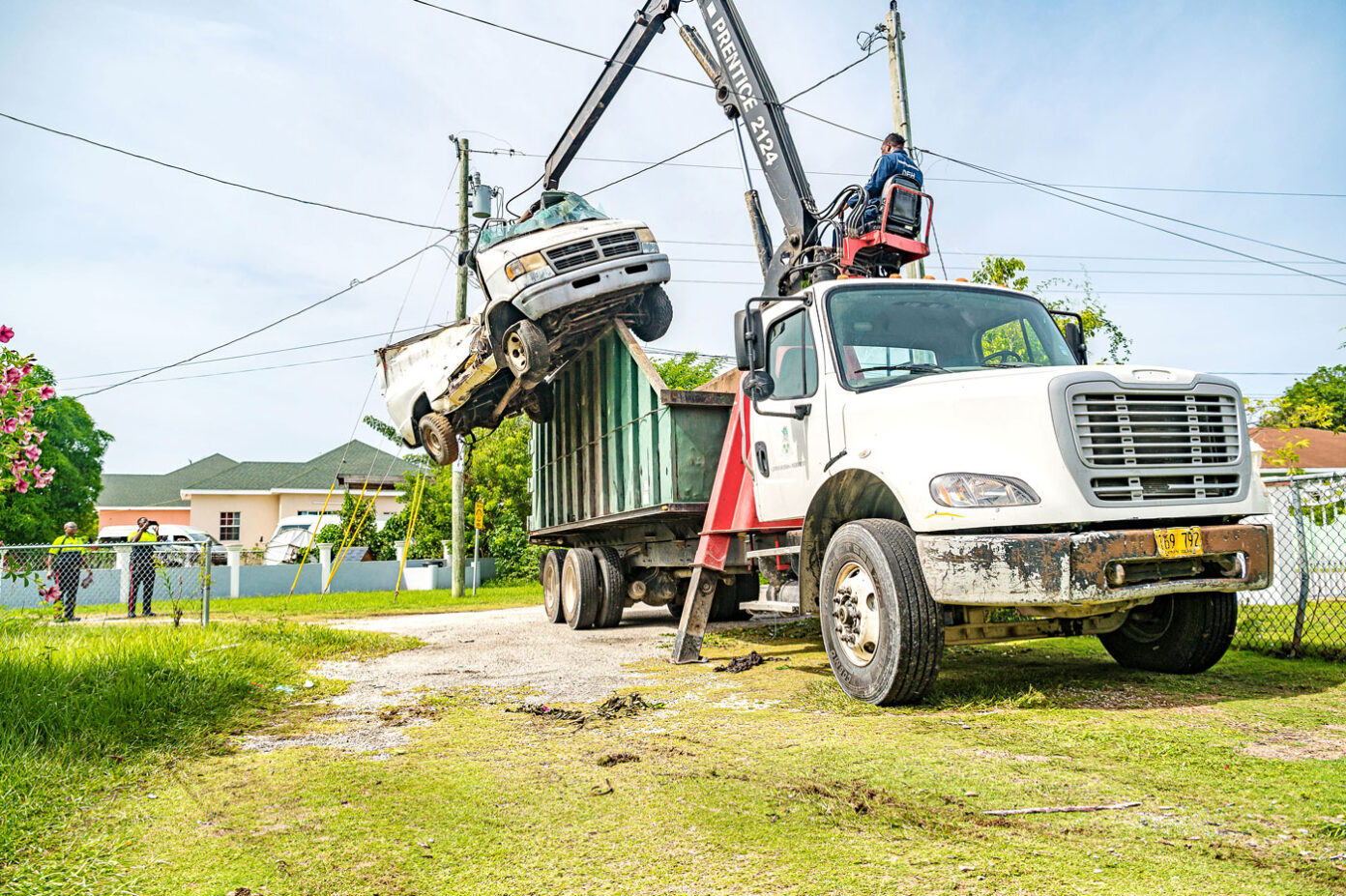
Derelict vehicles, defined as vehicles that appear abandoned due to their condition, such as having missing parts or being unlicensed for more than six months, are included within the enforcement provisions of the Litter Act.
Failure to remove such a vehicle after receiving an enforcement notice may result in a $1,500 fine, plus $250 per day for continued non-compliance and the vehicle being removed at the owners’ cost.
“These amendments are about protecting our home and reinforcing clear, fair standards,” said Tamara Ebanks, chief officer at the health ministry. “Litter that is left unchecked, or actions that obstruct enforcement, cause real and lasting harm to our communities.
“The proposed changes aim to create an equitable, consistent and effective framework that deters repeat offences, while supporting cleaner, safer spaces for everyone. We now invite the public to review the Bill and help shape how it is implemented,” Ebanks added.
The public consultation period runs until 5 March 2026. Members of the public are encouraged to share their views by emailing [email protected] and the full text of the Litter (Amendment) Bill, 2026 is available here.
Related Videos







I hate littering but I dont believe such extreme laws are the solution. The issue we have in Cayman is with enforcement as well as hypocrisy. For example the landfill which is operated by the government is essentially also littering if you think about it. Its a giant, intentional littering. How can the government have any credibility in enforcing against littering when they are the largest offender? The other concern I have is that such large fines and imprisonment give a huge amount of power to the government and such power can be misused for things like selective enforcement. We have all experienced during Covid how government overreach feels like with Orwellian measures such ankle bracelets and time-slots during which you can leave the house and forced vaccinations. What the government should do in my opinion is enforce the rules currently in place. Laws without enforcement mean nothing
Great idea. But how to catch them in the act? Not so easy.
“There’s that word “could”, which is meaningless without “enforcement”!
I think the littering upgrade to the law is good, and that it should be tiered. For example, one type of fine for a person that throws a cup out of the car window, and another much steeper fine for those that do maintenance or construction work, and leave all the broken concrete, wires, and other debris from their job. I also think if people cannot pay the fine, they should have to do community service, cleaning up the roads etc. or cleaning the beaches. People have told me in the past that Cayman is the cleanest island in the Caribbean, and please let us keep it that way.
Maybe you’ve seen me. I’m the lady out every morning picking up road side litter. My paths, vary however every day I spend 1-2 hours on my “hobby”.
I dress appropriately stylishly & I wear a smile because I enjoy what I am doing.
It is far from a thankless job – busses, taxis, commuters, garbage trucks & cyclists always give me uplifting “toots” & waves.
People stop me when I am shopping or dining to thank me. My goodness, I have encountered so many kind, interesting & likeminded people!
I’ve been a “trasher”/”plogger” since moving to this beautiful Island as a permanent year-round resident & I have made an impact. There are areas where I have changed behavior – & areas where I have not … yet.
Some components of the Caymanian government have been incredibly supportive; others have not. The same can be said for this Island’s businesses.
Regarding statements provided in this article:
I see nothing in this article that addresses enforcement.
Lack of enforcement has been the problem with the existing legislation, why will it be any different with that proposed?
In past meetings that I have had with EH officers at problematic sites I have been told they can do nothing with out proof such as a video.
In the 3 ½ years I have been picking up litter not once have I caught anyone in the act …
RE: “Environmental Health officers may issue formal notices requiring litter to be removed …”
Pray tell, to whom will these notices be issued? The folks tossing beer bottles in the shrubs that line Esterly Tibbetts & WB Road? Or those that hang sacks of discarded fast food from the trees in the areas between Camana Bay & the Hyatt’s skeleton?
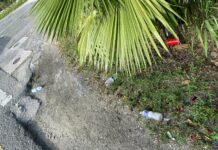
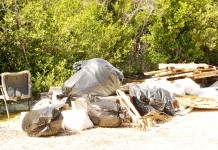
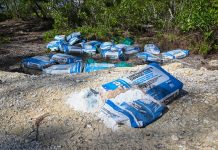
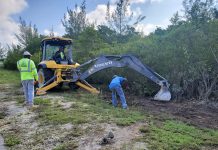
The photos in this article are reflective of what I pick up every day. To date, action has been the most effective means of eliminating litter; not hollow threats of fines that never come to fruition.
So, you shall continue to see me out picking up trash daily [I have a pact with Mother Nature: I pick up the trash & she spares the Island of Hurricanes] – at least until such time that one of the reckless speeders on Esterly Tibbetts takes me down permanently. Ah, but that is another example of lack of enforcement that is beyond the scope of this commentary.
Anne Evans
Laws without enforcement are meaningless.