Cayman’s Chief Medical Officer Dr. Hilary Wolf says the risk of the zoonotic Nipah virus reaching Cayman remains low, but authorities are maintaining close surveillance and laboratory readiness as cases continue to be reported in parts of Asia.
Speaking on CompassTV’s Forefront on 12 Feb., Wolf said the Ministry of Health is monitoring the situation through international health networks, including the World Health Organization, the Pan American Health Organization and the Caribbean Public Health Agency.
“We have been following it very closely and get regular updates through the WHO and PAHO and CARPHA,” she said. “The biggest thing for us is making sure that we have laboratory capacity if, in fact, we were concerned that it was coming to the island.”
She pointed to the Cayman Islands Molecular Biology Laboratory as a critical asset in strengthening preparedness.
“We are working with CIMBL, our molecular biology lab … which has been a huge game changer for the island and really trying to make sure that we develop capacity if, for some reason, we were to get it. Although right now the risk seems low, but we are watching very vigilantly,” Wolf said.
What is Nipah virus?
Nipah virus is a disease that can spread from animals to people. It is mainly carried by fruit bats, often called flying foxes. The virus can also infect pigs. People can catch it by coming into direct contact with infected animals, their body fluids, or food that has been contaminated, such as raw date palm sap. It can also spread from one person to another through close contact with someone who is infected.
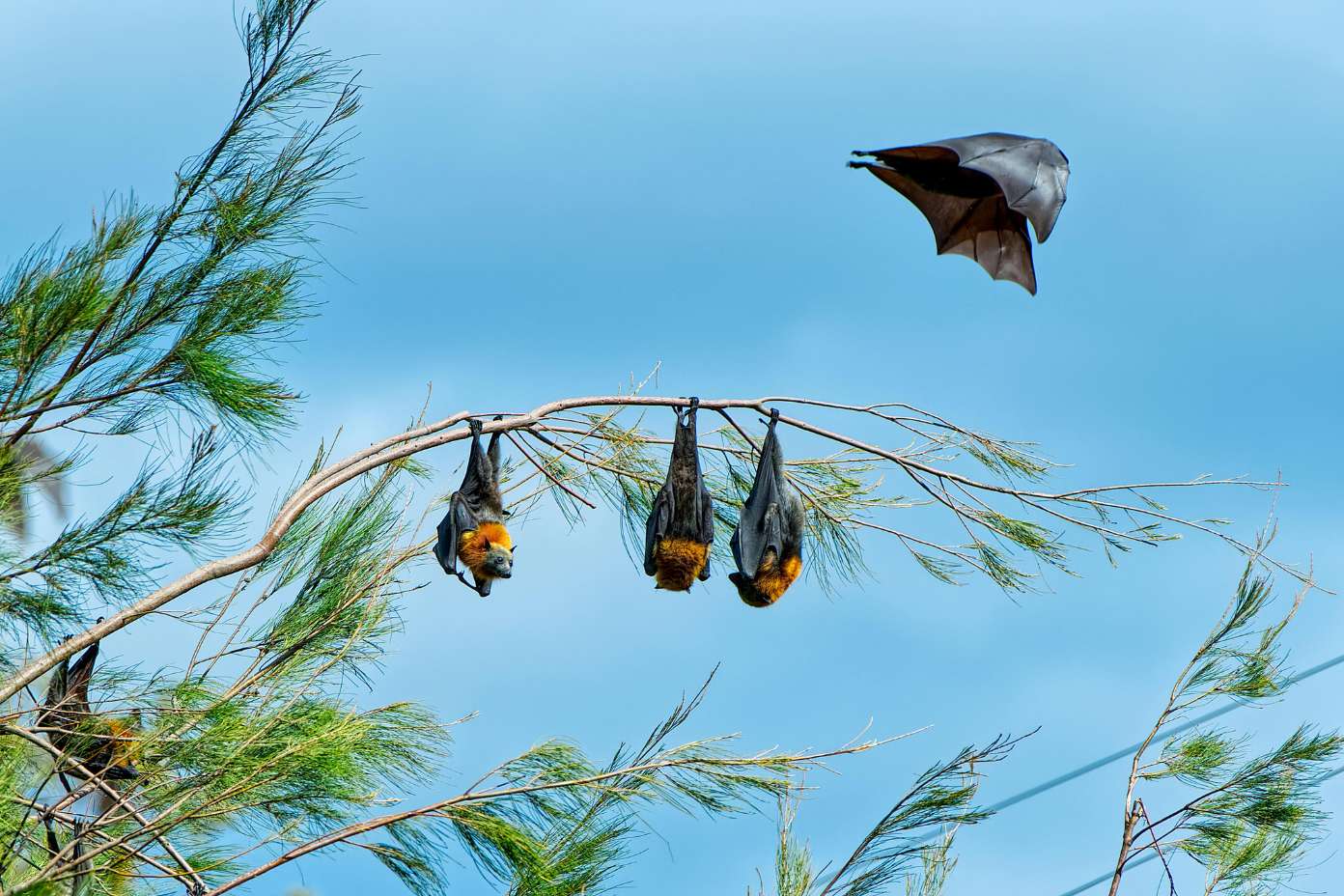
“It’s a zoonotic virus that usually is in animals but can spill over to humans,” Wolf said. “And therefore, we don’t have good immune response to it. It can be quite deadly in terms of causing encephalitis and seizures, or it can be asymptomatic. And so it’s just something that we have to watch very closely in order to make sure that we are being hypervigilant.”
Nipah often begins with flu-like symptoms such as fever, headache, body aches, sore throat and fatigue. In some cases, it can quickly escalate, leading to breathing problems or inflammation of the brain that causes confusion, seizures and even coma, while a small number of people may show no symptoms at all.
According to the World Health Organization, case fatality rates in previous outbreaks have ranged from 40% to 75%, depending on the speed of detection and clinical management. There are currently no licensed vaccines or specific antiviral treatments for Nipah virus. Care is limited to intensive supportive treatment to manage severe respiratory and neurological complications.
Outbreak patterns
Cases of Nipah were first reported in 1998. Since then, outbreaks have been documented in Bangladesh, India, Malaysia, the Philippines and Singapore. Bangladesh has been the hardest hit, recording 348 cases and 250 deaths since 2001 – including one in January – with a case fatality rate of 72%.
On 12 Feb. a 25-year-old nurse in West Bengal, India, died after contracting the virus, marking the first recorded death from Nipah in that state.
India continues to record sporadic Nipah cases, particularly in Kerala, which is considered one of the world’s highest-risk regions. Following recent confirmations, Thailand, Singapore and Pakistan have increased airport screening.
Travel considerations
Despite the high fatality rate, the World Health Organization assesses the current overall public health risk at national, regional and global levels as low, citing strong surveillance systems and rapid response measures in affected countries.
Wolf said authorities are closely monitoring international case numbers. “We’re watching right now, the cases are quite low in the Asia region,” she said. “If that were to tick up, then that’s something we would put travel advisories in place to watch more closely.”
The UK-based National Travel Health Network and Centre confirms minimal risk to tourists, provided basic precautions are followed. These include avoiding raw date palm sap, washing and peeling fruit thoroughly, avoiding contact with bats and pigs, practising good hand hygiene and avoiding close contact with infected individuals.
Wolf emphasised that global developments continue to be closely tracked. “It’s really about how it’s being contained and making sure we have good communication and information about what is happening abroad. And then we can put the proper fight defences in place here,” she said.
“We err on the side of sharing being transparent and sharing as much information as we can.”
Related Videos