

At a glance:
- Several Cayman groups are collecting food, medicine and funds to aid vulnerable communities in Cuba
- Logistics and funding remain major obstacles
- Global aid is growing but fragmented, with no official Cayman government support announced
- Reports from people in Cuba indicate a dire and worsening situation.
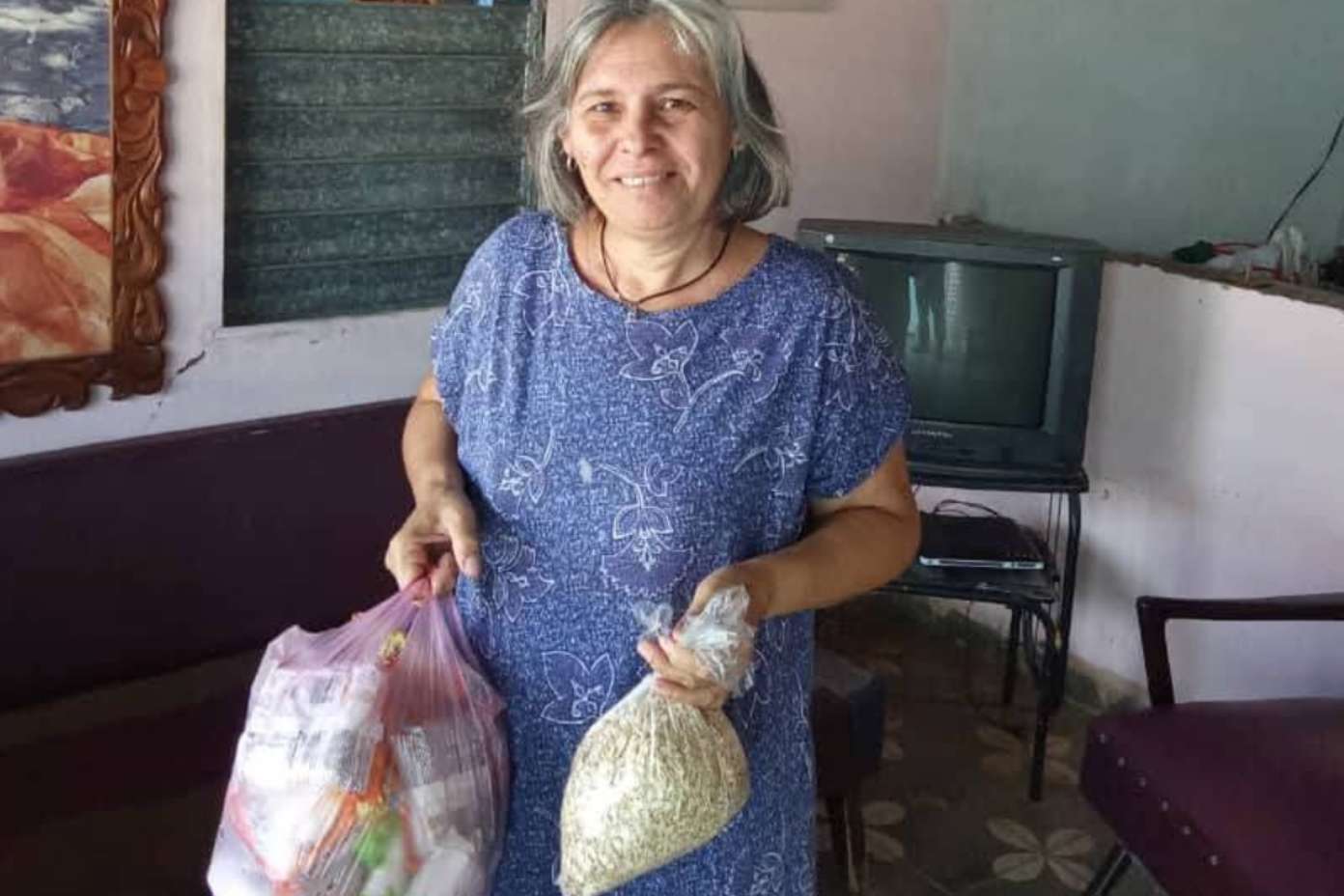
As Cuba grapples with a worsening socioeconomic crisis marked by fuel shortages, food scarcity and strain on essential services, members of the Cayman community are stepping up private efforts to provide humanitarian support.
In a statement issued in Geneva on 13 Feb., the Office of the United Nations High Commissioner for Human Rights warned that Cuba’s deepening crisis – compounded by sanctions, extreme weather events and recent US measures restricting oil shipments – is having an increasingly severe impact on the population.
The UN noted that oil shortages are disrupting electricity generation, affecting intensive care units, emergency rooms, vaccine storage and water pumping systems. Power cuts have also undermined access to food distribution networks, school feeding programmes and social protection services.
In Cayman, those warnings have resonated deeply among those with family ties to Cuba and longstanding cultural, church and community connections, prompting a number of locally organised initiatives to begin collecting food, medicine and other essential supplies for shipment to the island.
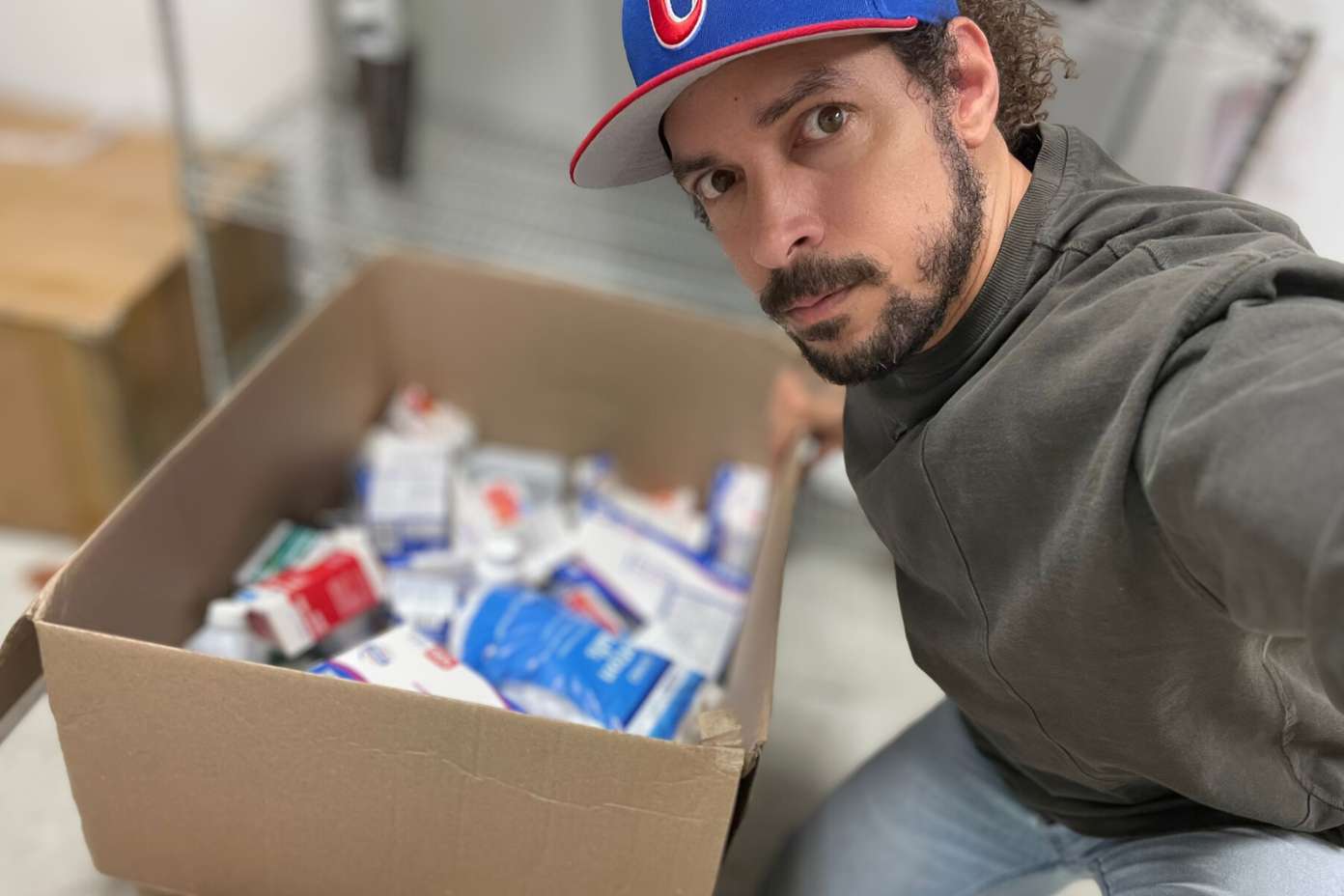
Blue Unicorn, a recently launched grassroots initiative, is collecting medical supplies to send directly to doctors in Cuba. Its founder, Marlon Alejandro Riera Tabares, a Cuban national who has lived in Cayman for the past eight years and comes from a family of doctors, says he knows firsthand what persistent shortages look like for families and frontline medical staff.
He describes the effort as an act of humanity rather than politics.
“Helping is not a political act. It’s a moral one,” he said. “Protecting those who suffer should never be up for debate.”
The group is seeking donations of syringes, gauze, gloves, face masks, thermometers, bandages, antiseptic wipes, oral rehydration salts, non-controlled antibiotics, vitamins, prenatal vitamins, baby formula and diapers.
Lynn Bodden, a Caymanian lawyer with close ties to Cuba, said she is assisting the Blue Unicorn initiative by helping to raise funds, organise logistics and procure medical supplies for shipment to the island.
Bodden said she has known Riera Tabares for several years and supports the effort because of his leadership and coordination with medical professionals on the ground.
“We’re sending boxes to the main hospital and also to a village clinic to help as many people as we can,” she said. “Obviously it’s a small donation in the grand scheme of things, but every little bit helps, and we’re trying to help.”
Riera Tabares said he is coordinating with Cuban medical professionals to ensure the supplies are distributed according to need.
At the Rotary Club of Grand Cayman’s provisional Companion Club of South Sound, prospective members are collecting specific essential items – medicines, adult diapers, powdered milk and financial donations to help cover transport costs. Donations can be dropped off on Thursdays at Grand Old House between 5pm and 7pm when the group meets.
“We are doing this to help our neighbors,” said former Rotaract member and prospective new Rotarian Leigh O’Connor. “This is our global neighborhood, and we’re trying to do what we can.”
Elsewhere on the island, the Power of a Penny Foundation has launched a food drive aimed at sending non-perishable goods to vulnerable families in Cuba. The foundation, founded in 2001 by resident Lovell Marriott, has previously supported humanitarian missions to Cuba.
Marriott described recent accounts from contacts on the island as “alarming”.
“When children go to bed hungry and hospitals lack basic medication, we cannot stand by in silence,” she said. “This mission is about compassion in action. It is about reminding our neighbors in Cuba that they are not forgotten.”
Marriott said the foundation has previously teamed up with Cost-U-Less and Cayman Airways to support collection efforts and help transport donations but noted that further financial contributions are required to cover the cost of shipping supplies that have been gathered.
Logistics challenges
Logistics remain one of the most significant hurdles for all three initiatives. Reduced flight schedules to Cuba have complicated transport planning, with some residents choosing to carry boxes on commercial flights. At the same time, uncertainty over jet fuel supply has raised concerns about how long those routes can be sustained.
Organisers say funding is essential to cover the cost of shipments through freight providers such as ABS Trade and Commerce Ltd, which facilitates air cargo to Havana. Those expenses include packing, transport and customs handling, making financial contributions just as important as the donated supplies themselves.
Initiative leaders are asking residents and local businesses with logistical expertise, transport capacity or other resources that could support shipments to Cuba to contact them directly.
Their grassroots appeal comes against a backdrop of uneven and, as some describe it, “scarce” international assistance.
The global nonprofit sector
A significant share of international humanitarian aid is being led by civil society groups that are expanding their operations to meet growing needs.
In the United States, the nonprofit Give2Cuba, which provides food, medicine and other basic necessities directly to families across multiple provinces, said in a 13 Feb. update that it is mobilising additional resources in response to worsening conditions and is seeking support for a planned March trip to purchase and distribute food and medications.
Meanwhile, the UK-based Cuba Solidarity Campaign is running appeals for financial and material aid, directing donations, minus processing fees, to relief initiatives on the island.
Since February, the Catholic Church has emerged as a key channel for humanitarian aid entering Cuba, with Caritas Cuba and Catholic Relief Services playing central roles in coordinating and distributing support.
Uneven global official support
Official humanitarian support reaching Cuba remains fragmented.
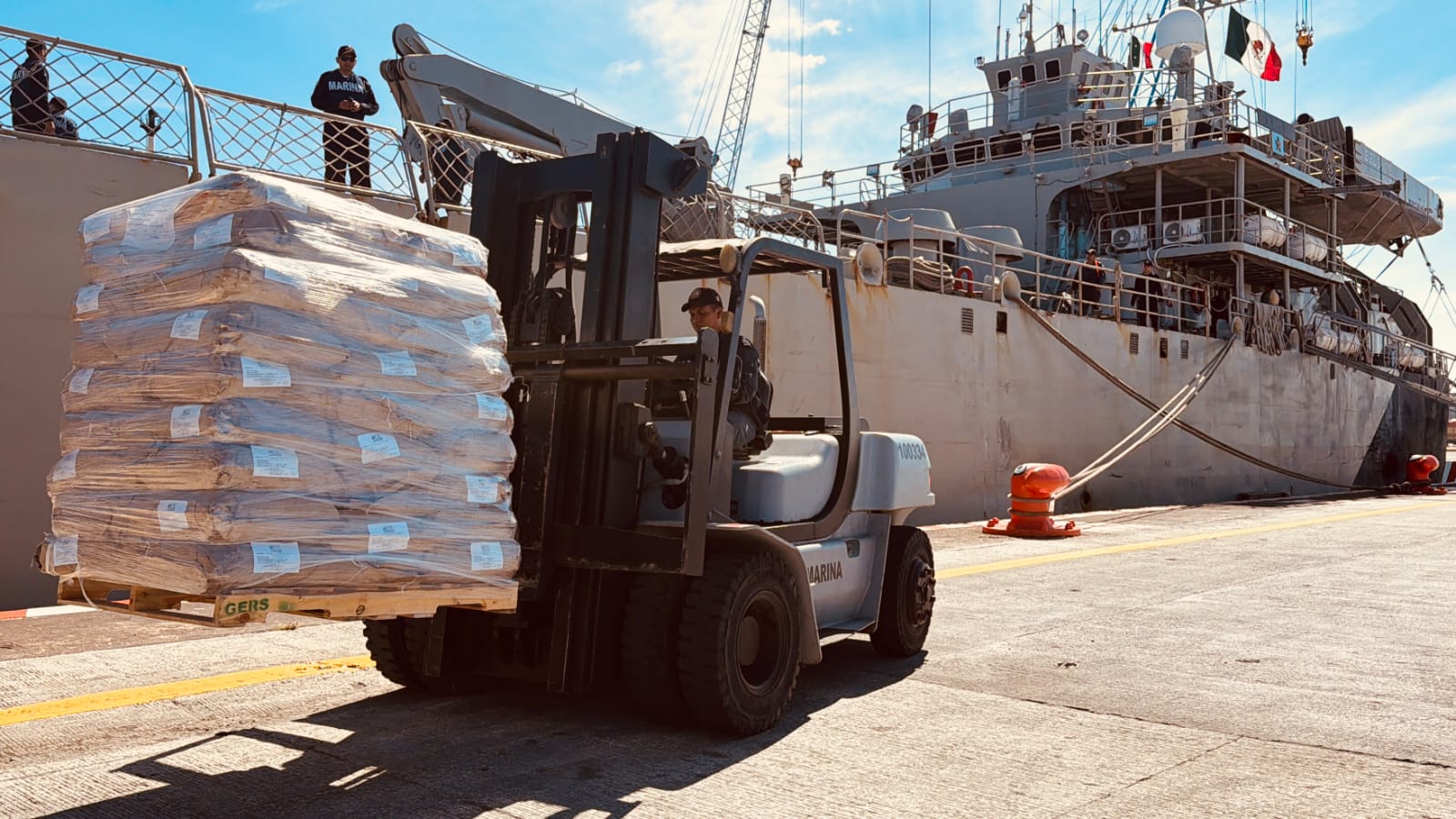
In February, the Government of Mexico announced that more than 814 tons of food and powdered milk had been delivered aboard Mexican navy vessels, with additional shipments planned.
Other countries have opted to channel assistance through the multilateral system. Chile has announced financial contributions to UNICEF and other United Nations agencies to support children and vulnerable populations in Cuba.
Spain, following high-level talks between Spanish and Cuban foreign ministries, has committed to sending food and essential health supplies via the United Nations.
In early February, US officials said Washington would provide an additional $6 million in humanitarian aid, bringing total US assistance since Hurricane Melissa to about $9 million, even as it continues to maintain policies restricting Cuba’s fuel supply.
At present, there is no clear public record indicating that individual Caribbean governments have formally announced and dispatched government-to-government humanitarian aid to Cuba.
No official aid from Cayman yet
Responding to enquiries from the Compass about whether Cayman would be providing formal assistance to Cuba, the Governor’s Office said, “Any decision to provide overseas humanitarian assistance would need to take account of international obligations, including alignment with UK foreign policy.”
It added that it is not aware of any current plans to provide official humanitarian support to Cuba, noting that any such decision would rest with the Cayman Islands Government and be based on appropriate advice.
Related Videos








Congrats to the Catholic Church, private organizations and citizens who have stepped up for this cause.
Wonder what “appropriate advice” CIG needs before stepping in?? It’s a humanitarian crisis, for God’s sake, created by an inhumane administration to the north!
First off I have no regard for the Cuban government which has aligned itself with an enemy of the west, Russia which has now abandoned Cuba in it concession to Trump to retain an American sphere of influence leaving it and China to control a similar sphere in Asa.
However, as with all bully-boy politics, it’s the people that suffer from tactics used whether it be embargoes or outright war.
And since nobody asked any of the Cubans before setting up a communist government to defeat Batista, I etain regard for them.
The trick is to help the people without aiding or facilitating the government.
Cayman’s Governor General as said she is awaiting leadership from Britiain before sending direct aid. Which is anticipatable.
Except that Britain stood idly by and saw the US kill 73,000 women children and other Gazans.
Britain under Starmer is waiting the US lead. And in the case of Cuba and Gaza the US is very much part of the problem rather than the solution.
The last time Britain took a lead on matters in this part of the world, it traded all its Caribbean naval bases for 50 rusted out liberty ships only eight of which ever sailed.
So perhaps unless we want to risk getting traded to the US by the UK, waiting for a UK lead on Cuba is a fool’s errand.
Russia is preparing to send a shipment of oil and petroleum products to Cuba, Moscow’s embassy in Havana has announced.
In addition, Russian officials reported that Moscow is assisting Cuba in developing its domestic oil reserves. While the island’s proven crude oil reserves are officially around 120 million barrels, the offshore zone of the North Cuba Basin is estimated to hold up to 20 billion barrels.
Mexican ships carrying humanitarian aid have docked in Havana, challenging a US blockade that has sparked a severe energy crisis in Cuba.
Spain: Following discussions between Foreign Minister José Manuel Albares and his Cuban counterpart, Spain announced it would send aid, including food and health products.
Canada: As a significant investor in Cuba, Canada is preparing aid packages to support vulnerable populations