

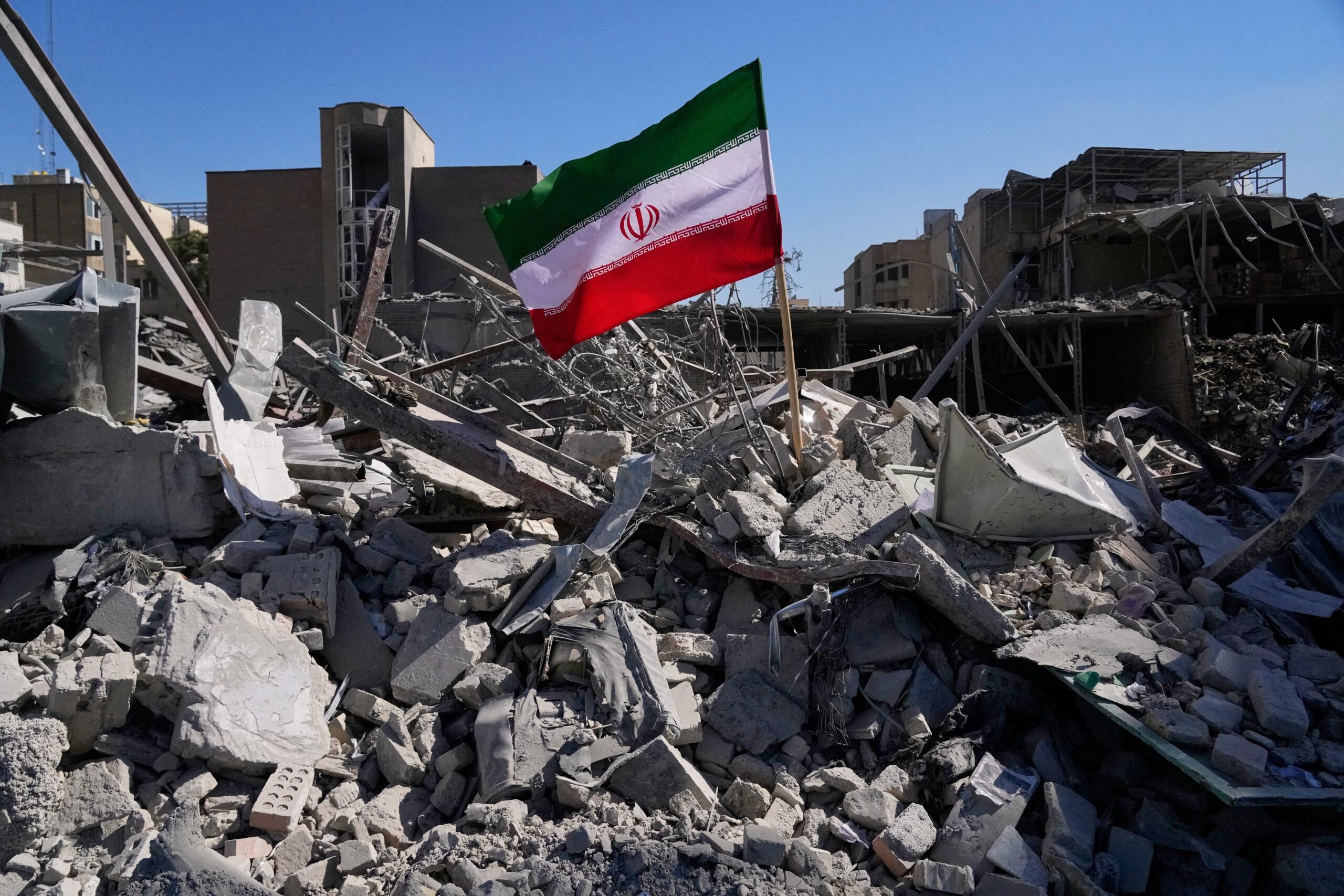
The Iran war’s impact is starting to be felt in Cayman through the US financial markets. The US Dollar Index, which tracks the value of the greenback against a basket of currencies, has increased 1.44% since 2 March. That has a direct impact on Cayman, whose currency is pegged to the US dollar.
“So far this looks like a short-term tactical move,” said Robert Whelan, portfolio manager at NCB Capital Markets. “It’s a classic ‘flight to safety’ that you get during periods of geopolitical tension.”
But analysts believe the war could be unleashing other factors that could continue to push the dollar up. Energy prices continued to rise on 3 March, with the Brent crude oil benchmark at $81.54 per barrel at time of publication, up 15.25% from $70.75 at market open on 27 Feb.
“Rising energy prices are beginning to push inflation expectations higher,” said Richard Maparura, CEO of RF Bank & Trust (Cayman). “As a result, investors are increasingly factoring in that U.S. interest rates may not fall as quickly as previously expected, or could remain higher for longer. That dynamic tends to be supportive of the U.S. dollar.”
Another factor that could support the dollar beyond the short-term ‘flight to safety’ is the potential change to global oil trading patterns. The US dollar is the global reserve currency and is traditionally used to settle commodity purchases. But in recent years the ‘BRICS’ nations of Brazil, Russia, India, China and South Africa, have made moves to use other currencies.

“President Trump is keen to re-establish the global dominance of the petrodollar,” said John Sitilides, national security senior fellow at the Foreign Policy Research Institute in Washington DC. “China was circumventing the US dollar by buying Iranian oil in renminbi, while in Venezuela China was receiving oil as debt repayment.”
Sitilides notes that US president Donald Trump has been very clear about the need to protect the US dollar’s status as the world’s reserve currency. “He previously warned that any country using a BRICS dollar replacement would face 100% tariffs.”
Sitlides added: “This isn’t just about Iran. China is also an important consideration, just like it was in Venezuela.”
Whelan agrees: “Weakening China’s oil supply is a big factor here because China was getting really cheap oil from Venezuela and Iran.”
A stronger US dollar would be moderately positive for Cayman as it would boost the jurisdiction’s purchasing power against non-US dollar trading partners, such as Jamaica. However, that would be offset by rising energy prices.
US markets down as winners and losers emerge
Residents in Cayman are heavily exposed to US stock markets through their personal portfolios and pension plans, notes Maparura. At time of publication the S&P 500 was down 2.15% since its pre-conflict close on 27 Feb.
“In general, equities tend to provide a better long-term hedge against inflation than most other asset classes,” he said. “However, the U.S. equity market today is heavily concentrated in growth-oriented technology companies.”
According to Maparura, that concentration becomes particularly relevant in a prolonged conflict scenario. “If the war leads to sustained higher energy prices and interest rates remain elevated, we could see a more pronounced ‘risk-off’ environment,” he said. “In that type of setting, high-growth technology companies whose valuations rely heavily on future earnings tend to face greater pressure.”
Whelan believes that investors should examine the fundamentals of their portfolio and ask if each position is fundamentally changed by the war. “It’s easy to get caught up in the excitement of events but don’t forget that the US stock market performed well for the duration of Afghanistan, despite that conflict dragging on.”
All analysts agree that the extent of the war’s impact will depend on how long it continues.
“The US cannot keep this rate of bombardment up for months on end and Trump doesn’t want to be sucked into a long, unwinnable conflict,” said Sitilides. “But nobody knows how long this will go on and Iran is a resilient country.”
Related Videos









The war is not only “in Iran”, nor is it an “Iran war”, it’s Israel’s and USA’s war on Iran, with impacts in the Middle East region.