
A landmark national study to help determine the prevalence of lupus in the Cayman Islands is under way, marking the first time such research has been done in the country.
The study is examining how common systemic lupus erythematosus, known as SLE – the most common and severe form of the autoimmune disease lupus – is within the local population.
The chronic condition, which can affect the skin, joints, kidneys and brain, presents in the form of a wide range of often fluctuating symptoms, such as fatigue, joint pain, mouth ulcers and rashes. This can make the disease difficult to recognise and diagnose early.
A press release issued by Doctors Hospital, whose consultant rheumatologist Dr. Sharon Chambers is the lead investigator on the lupus study, noted that, based on global estimates, between 20 and 90 individuals may be affected in Cayman, with a midpoint of approximately 40 people in a population of around 88,000.
“However, regional research from Barbados suggests prevalence may be significantly higher, indicating the need for accurate, localised data,” the release noted.
Chambers said the study is designed “to generate a much-needed evidence base on the scale of SLE in our population”.
She added, “Reliable prevalence data is essential for healthcare planning, policy development and improving awareness among both clinicians and the public.”

The study
The joint study between Doctors Hospital and the Health Services Authority began in September last year and is expected to be concluded by September this year. It is gathering information relating to individuals who had a diagnosis of SLE in 2024, whether newly diagnosed or previously known cases.
Chambers, speaking at a lupus awareness event last year where the study was announced, said the research involves sending questionnaires to doctors and reviewing medical records, and may also include interviews with clinicians and patients. The survey will be anonymised, so no patients’ names will appear in any results or publications of the findings, and all data collected will be destroyed after five years, she noted.
She told the Compass on 20 March that the researchers had already completed gathering data from Doctors Hospital, and are now beginning to collect information relating to lupus patients from the Health Services Authority.
The questionnaires are not being sent to private-sector general practitioners locally, she said, as those would only go to Doctors Hospital and HSA doctors. However, by raising awareness of the study within the local community and the medical sector, the hope is that patients who have not already included, or who may be seeing doctors overseas, will contact the researchers.
Dr. Richard Preece, medical director at Doctors Hospital and supervisor of the study, said, “The more we understand the impact of SLE in the Cayman Islands, the better we can target care and support. Medical research is central to delivering the high standard of care our patients deserve.”
The analysis of the data collected will be led by national epidemiologist Rachel Corbett at the Ministry of Health and Wellness. The findings are expected to support improved access to diagnosis, specialist care and treatment, while also strengthening public and clinical awareness.
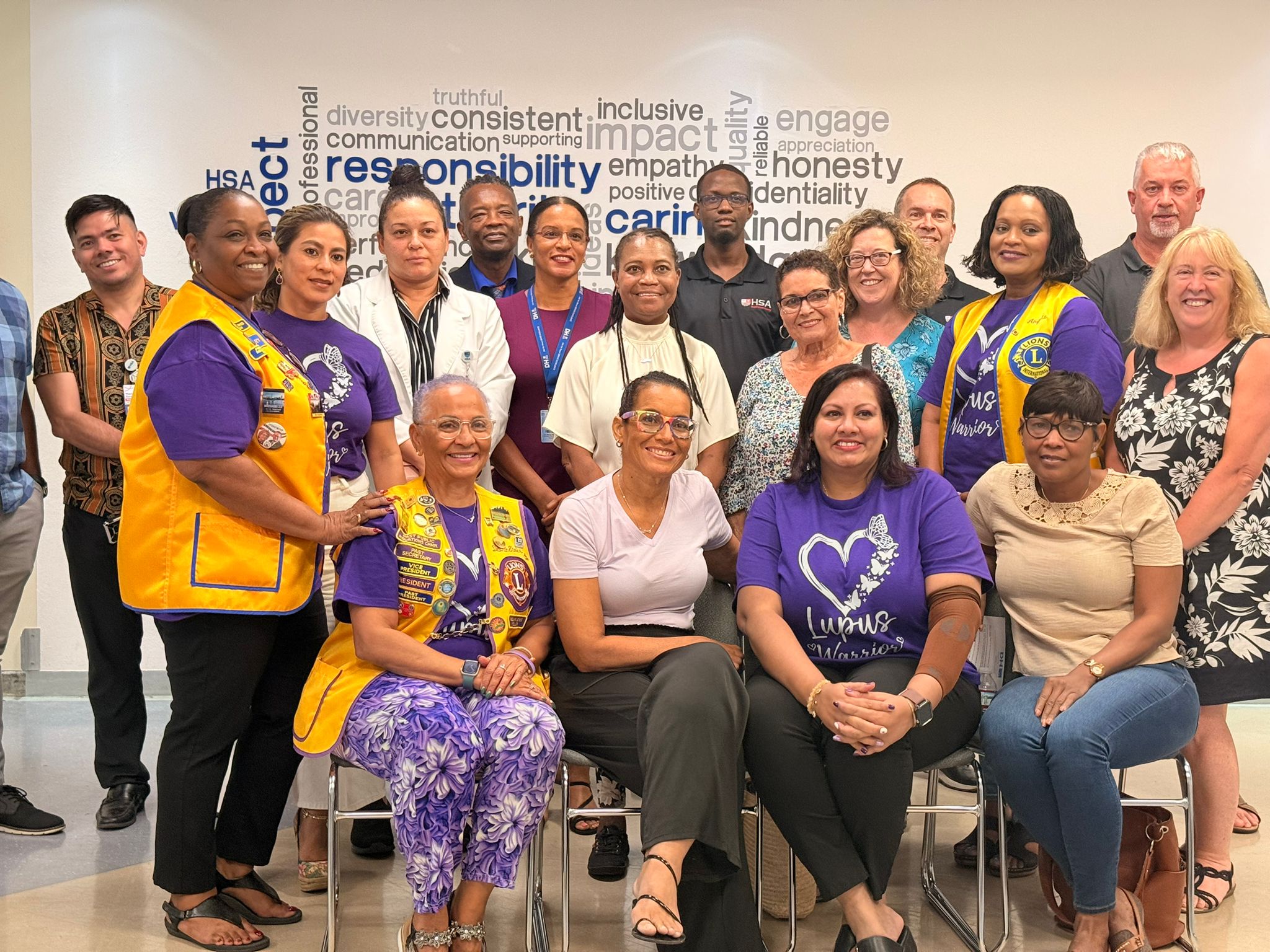
‘Widely misunderstood disease’
The Wings of Hope Lupus Warrior Support Group Cayman Islands has been driving community awareness of the disease since 2023.
The group’s founder, Reshma Ragoonath, a Compass Media journalist, who was diagnosed with lupus in 2010, said, “Having this study done on island helps us better understand how many people are living with lupus here. The data will be critical in shaping policy and improving access to treatments that can enhance quality of life.
“Lupus remains widely misunderstood, and this research is an important step toward greater awareness, empathy, and support for those affected.”
How to take part
To find out more, or to contact the study team, email [email protected] or call registered nurse Diane Obana on 640-1437.
Patients attending HSA rheumatology or general internal medicine clinics can also access study information during routine visits.
Related Videos