

At a glance
- A Caymanian student shares her story after returning home following the meningitis outbreak in Kent
- The outbreak has been linked to a strain of meningococcal bacteria known as ST-41/44
- In response to the outbreak, the University of Kent suspended in-person assessments and exams
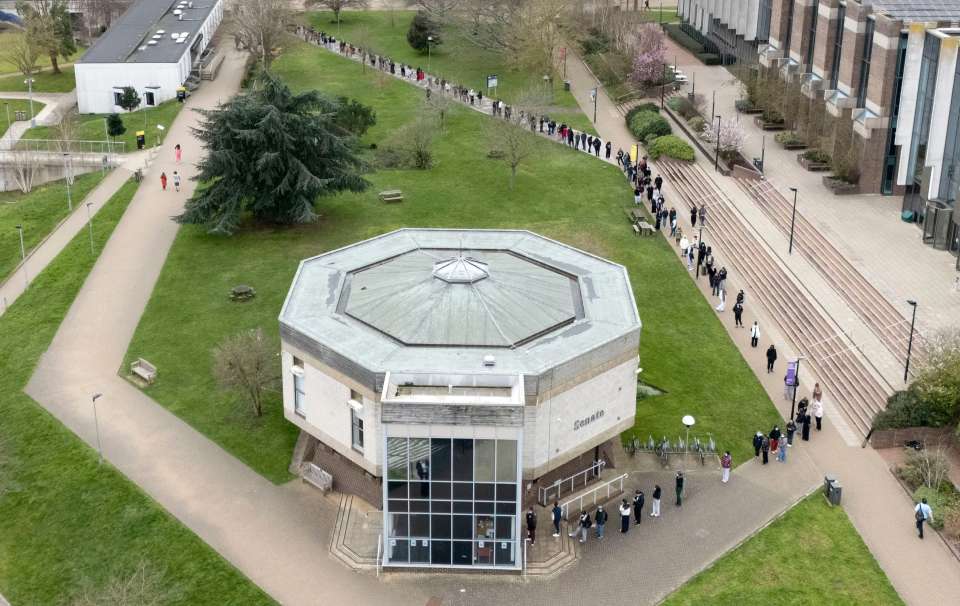
A meningitis outbreak in Kent that has left two students dead and at least 29 cases identified, disrupted campus life, prompting some Caymanian students to return home early as the academic term drew to a close.
Twenty Caymanian students are enrolled in the affected universities, including the University of Kent and Canterbury Christ Church University.
Among them is Jackline Acosta, a first-year student at the University of Kent, who returned to the Cayman Islands on a British Airways flight on 19 March, one day before the final day of the spring term.
From calm to crisis
Acosta said she first became aware of the situation late on the evening of 15 March through a student group chat, before any formal communication had been issued by the university.
Initial reactions were largely composed, she said, reflecting a lack of understanding about how serious the circumstances were.
“At the time most of us were relatively calm as we didn’t understand the gravity of the situation,” she said.
Within hours, that changed.
Videos started circulating of students being taken away in ambulances, visibly ill. Others showed people in hazmat suits entering student accommodation. News crews appeared on campus.
“It was all extremely distressing,” Acosta said.
By the early hours of the following morning, students had already begun to leave. Acosta said she watched from her window as they departed.
“I didn’t sleep that night,” she recalled. “It was around 4am … I’d just look out my window and see people packing their bags and leaving for home.”
By morning, the campus was largely empty.
Contact tracing and response
The outbreak was traced to a cluster of cases in Canterbury, with contact tracing pointing, in part, to Club Chemistry Nightclub as a key setting in the spread. Health officials were first alerted to the cluster between 13 and 15 March, though authorities believe exposure likely began earlier, between 5 and 7 March, at the same venue.
Acosta said she attended Club Chemistry on 7 March for a birthday celebration, one of the dates now associated with potential exposure.
“Once the dates were released, the panic set in,” she said.
Up to that point, she thought she might be in the clear. She had been studying for exams and hadn’t been around many people. But suddenly, the timeline shifted.
Although she had not been in direct contact with confirmed cases and had spent much of the following week studying for exams, she and her friends were advised to obatain preventative antibiotics. She also chose to move out of her accommodation and isolate in a hotel as a precaution.
According to the US Centers for Disease Control and Prevention, meningococcal bacteria spread through the exchange of respiratory and throat secretions, such as saliva, and are less contagious than viruses like the common cold or flu. Transmission typically requires close contact – sharing utensils, kissing or prolonged proximity – rather than casual interaction.
The CDC notes an incubation period of about three to four days, ranging from one to 10 days. Having passed that window without symptoms, and after taking antibiotics and isolating, Acosta was considered low risk and did not pose a threat to others.
Even so, the psychological impact lingered.
“I obviously cannot compare my experience to anyone who was in direct contact the infected or was in hospital but it was still a terrifying experience for my family and me,” she said. “I couldn’t sleep or eat during the time. I had extreme anxiety.”
Part of that anxiety stemmed from the fact that she had not been vaccinated. Like many students preparing to leave for university, she said she had intended to get the vaccine but delayed in the rush of travel and preparation.
As the situation escalated, Cayman’s Ministry of Education contacted students in the affected area with NHS-based guidance and followed up with individual welfare checks. On campus, vaccination clinics were quickly established and expanded, while antibiotics were distributed to those most at risk.
According to local Kent media, around 4,500 meningitis vaccines had been administered across four clinics by 20 March as the response intensified. Reuters reported that approximately 9,840 courses of antibiotics had been given to those potentially exposed by the same date.
The outbreak has been linked to a strain of meningococcal bacteria known as ST-41/44. The Bexsero vaccine, available in the Cayman Islands, is believed to offer protection against this strain.
“My parents stayed in close contact with doctors to make sure I wasn’t showing any symptoms,” Acosta said. “With so much anxiety around, it’s easy to think every small thing is a symptom or a rash, so that support and reassurance were really helpful.”
An abrupt end to the school term
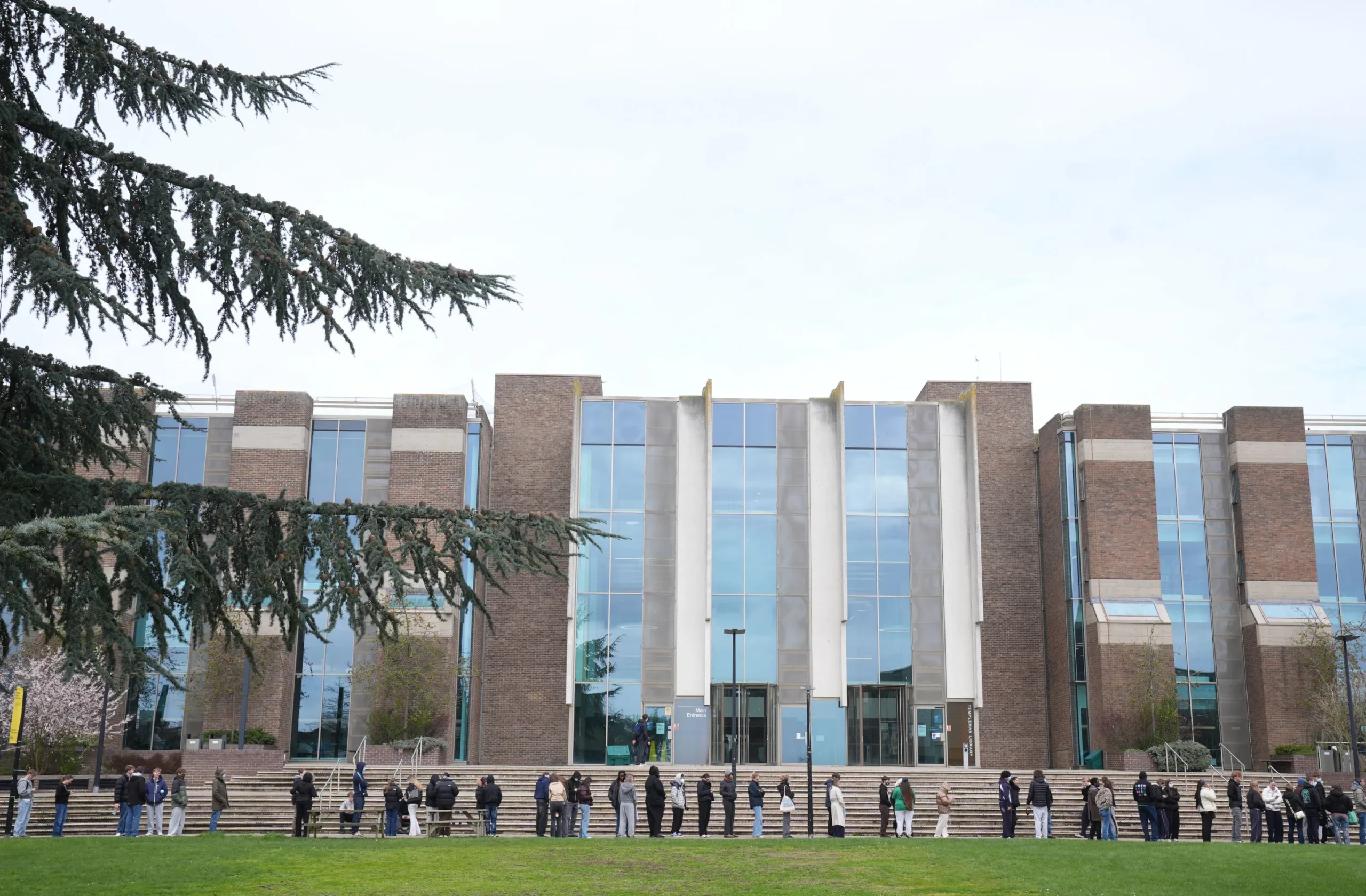
The spring term has now come to a close, with students not expected back for summer classes until 13 April. But for many, it ended under a cloud of uncertainty and precaution rather than the usual routine of exams and departures.
In response to the outbreak, the University of Kent suspended in-person assessments and exams, with Acosta completing her finals online.
Her decision to return home, she said, was measured. She had no symptoms, had taken antibiotics and had passed the incubation period.
During the nine-hour flight back to Cayman, she also kept a mask on throughout.
“When I decided to go home it was because I hadn’t had any contact with those who were infected, I had no symptoms and the incubation period had passed since I had been to the club,” she said. “We all took antibiotics, and I stayed in isolation at a hotel. During my nine-hour flight, I didn’t take my mask off once. I was confident that I didn’t have any symptoms, but I took every precaution for the safety of everyone around me.”
Health officials in the Cayman Islands say there have been no confirmed cases locally and emphasise that the risk to the wider population remains low.
Now back home, Acosta says she is still processing the experience but feels a sense of relief.
“As of right now I feel like I’m still catching my breath, but I’m so relieved to be home and safe,” she said. “Right now I have a vaccination appointment booked, and I’m so grateful things didn’t take a turn for the worse.”
Related Videos












Gain-of-function “research” on meningitis is going on at nearby Manchester.