
At a glance
- Cayman education officials have been in contact with Cayman students in Canterbury following a meningitis outbreak
- As of 18 March, 20 meningitis cases had been identified in Kent and two young people have died
- Cayman Connection issued a student health advisory urging students to familiarise themselves with the signs of meningitis
Cayman education officials say they have been in contact with Cayman students in Canterbury after a rapidly escalating meningitis outbreak in Kent left two young people dead, sent multiple others to hospital and triggered an urgent public health response across England.
The outbreak is considered to have begun on 13 March, when the first confirmed cases were identified and reported to the UK Health Security Agency.
Health officials were alerted to a cluster of cases between 13 and 15 March, although authorities believe exposure likely began earlier, between 5 and 7 March, at Club Chemistry nightclub in Canterbury, which has emerged as a key setting linked to the spread.
A number of Cayman students are studying in the affected area.
According to information from the Higher Education Statistics Agency in the UK, there are 20 students from Cayman currently studying at the University of Kent.
In a response to questions from the Cayman Compass, the Ministry of Education said it has 16 students at the University of Kent and two at Canterbury Christ Church University, suggesting the figures may reflect only those supported by government or known directly to the ministry.
“The well-being of our Caymanian students overseas remains a priority of the Ministry of Education and Training,” Education Minister Rolston Anglin said in an audio statement.
“We’re in contact with the students we support in the Canterbury area and have checked in on their well-being.”
Current status of the outbreak
As of 18 March, UK’s Health Security Agency said 20 meningitis cases had been identified in Kent. Six of the confirmed cases were identified as group B meningococcal disease. Two people have died.
Most of those affected are young adults, with cases concentrated among students linked to the University of Kent and local sixth-form schools. UKHSA said at least 10 cases attended Club Chemistry nightclub in Canterbury on 5, 6 or 7 March. Health officials have described the outbreak as severe, with rapid deterioration in several patients.
Regional reporting from Kent says that all positive cases have required hospital treatment. Reports also said a sixth-form student was in an induced coma. One of the deaths was a University of Kent student. The second was a Year 13 pupil at Queen Elizabeth’s Grammar School in Faversham.
Canterbury Christ Church University has also confirmed one case involving one of its students, linked to the same initial cluster associated with Club Chemistry.
On 18 March, the University of Kent said that, in partnership with UKHSA, it had begun a targeted meningitis B vaccination programme for all students living on its Canterbury campus and would continue offering precautionary antibiotics to staff and students who may have been affected.
The university described the move as part of its “ongoing commitment to offer a swift response and reassurance to support Kent students at this difficult time”.
The university has directly contacted and invited students living in on-campus accommodations to attend a vaccination centre now open in Canterbury. The university had already distributed precautionary antibiotics and suspended in-person assessments and exams as the situation developed.
Reuters reported that around 5,000 students were expected to be offered vaccination and that more than 2,500 doses of antibiotics had already been administered to students, close contacts and others, including some who attended the nightclub during the exposure window.
UKHSA has also issued a wider alert to NHS staff across England, advising clinicians to maintain a high level of suspicion when young people aged 16 to 30 present with symptoms consistent with meningococcal disease.
Cayman Connection issues student health advisory
For Cayman families with children studying in the UK, the outbreak has heightened concern, compounding the usual worries that come with having a child overseas.
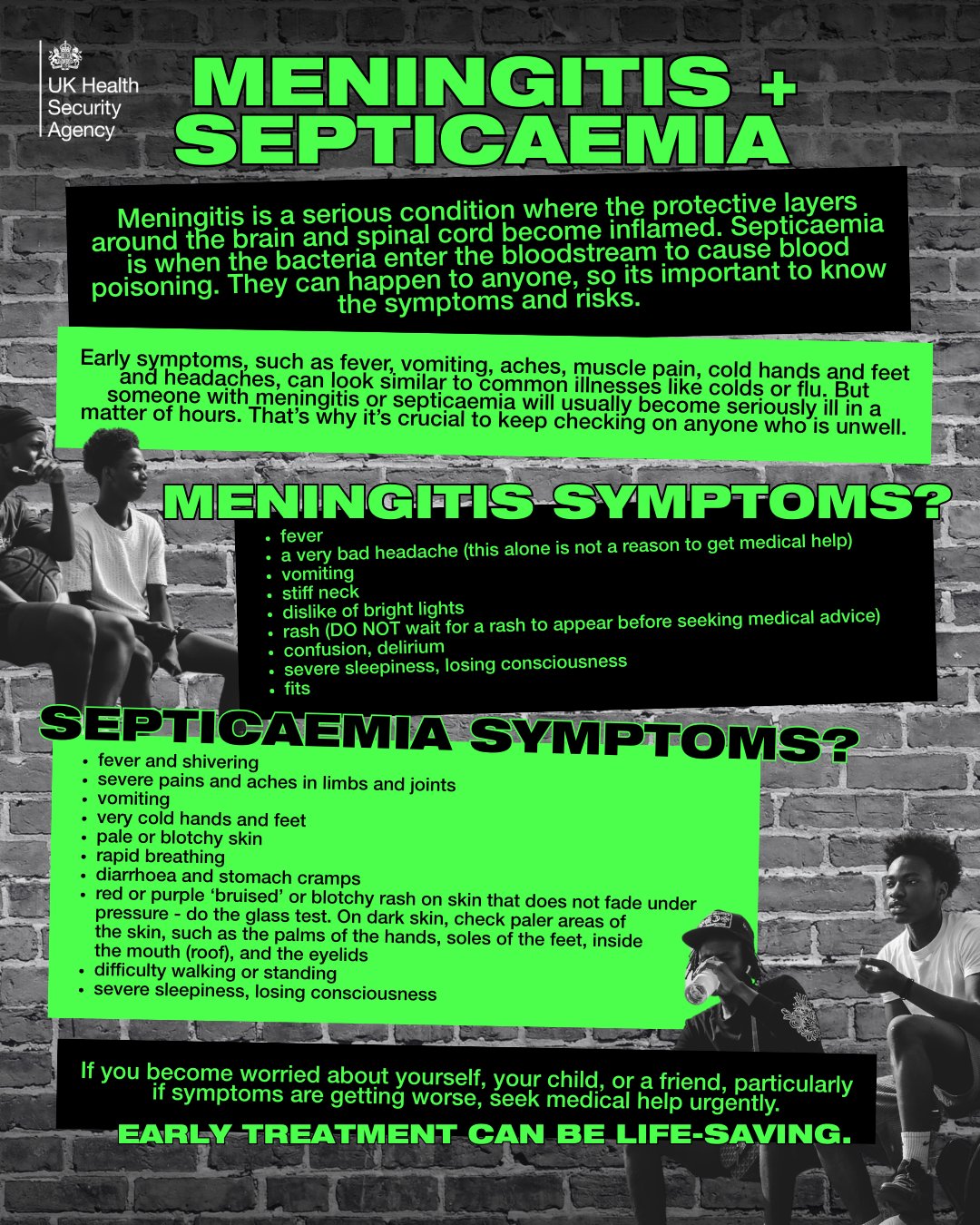
Cayman Connection, a non-profit organisation that supports young Caymanians studying and training abroad, issued a student health advisory urging students to familiarise themselves with the signs of meningitis, check their vaccination status and seek immediate medical attention if symptoms appear.
The organisation noted that symptoms can include severe headaches, fevers, neck stiffness, sensitivity to light, nausea or vomiting, and confusion or difficulty concentrating. It also advised students to maintain good hygiene, avoid sharing drinks or utensils, and stay informed through official channels.
Cayman Connection also reminded students that those studying in the UK are generally entitled to NHS care if they have paid the Immigration Health Surcharge as part of their visa, and encouraged students to register with a local general practitioner so they can more easily access vaccinations and treatment if needed.
Minister Anglin said students had been reminded to follow guidance from their universities, UK public health officials and Cayman’s own health authorities and to seek urgent medical attention if they become unwell.
“The scholarship secretariat remains available to students by email and WhatsApp if they need assistance,” he said. “We also want to reassure families and the wider community that the matter is being actively managed by the relevant UK authorities.”
He added that the UK response includes antibiotics for close contacts and the issuance of ongoing public health guidance.
“Our message is a simple one: remain vigilant, remain calm and follow official advice,” Anglin said.
Related Videos