

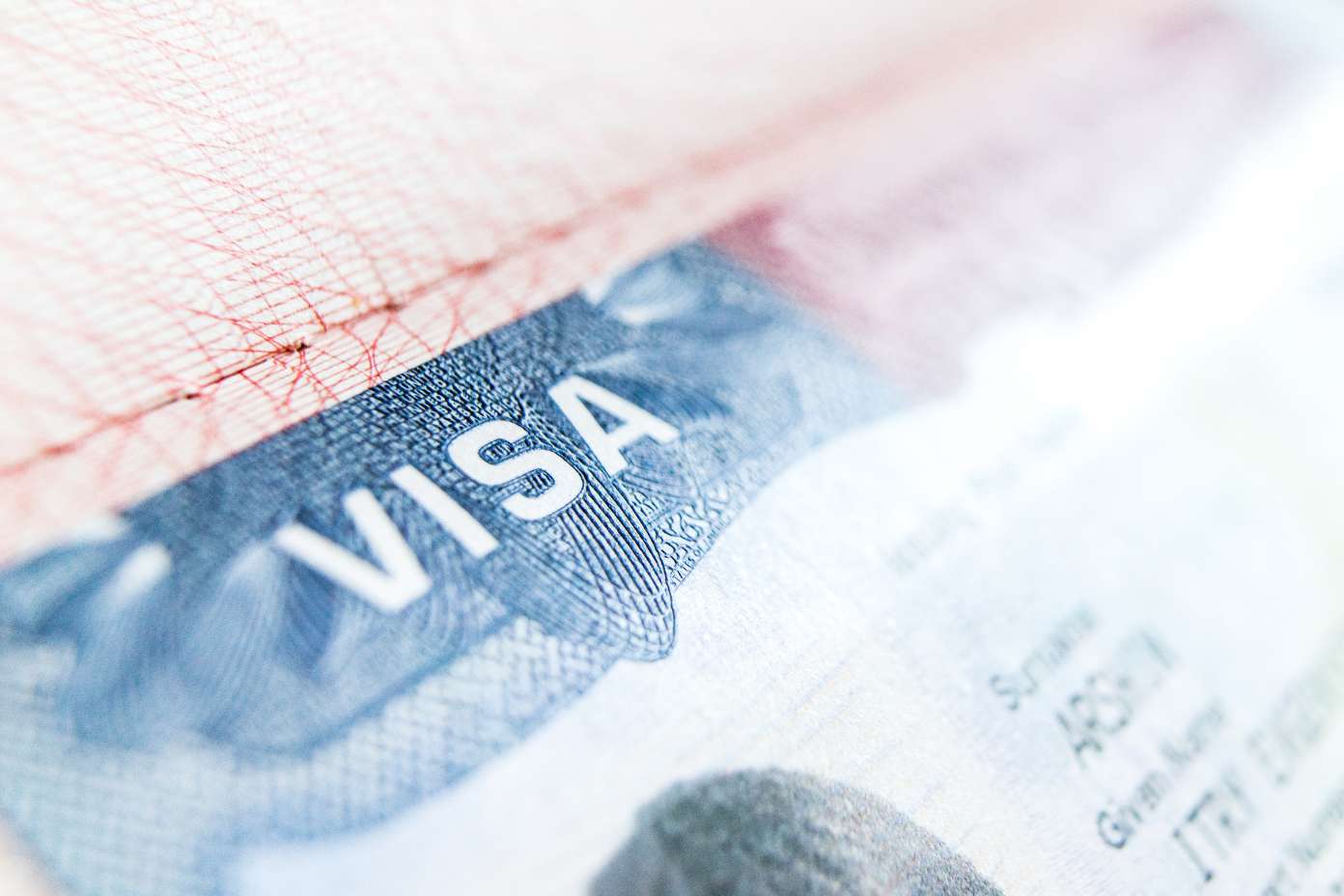
The United States has resumed US student visa interview appointments for international students but with a new requirement: applicants must make their social media profiles public.
The new condition affects all applicants for F, M, and J visas, including students from the Cayman Islands. As of 2024, 439 Caymanian students were enrolled in US institutions, either on campus or online, according to the Ministry of Education.
The expanded vetting measures, announced in a US State Department media note and a separate cable released on Wednesday, are framed as a national security enhancement. Under the new policy, students must adjust their privacy settings on platforms like Instagram, Facebook, and X (formerly Twitter) to ensure consular officers can view their content.
“To facilitate this vetting, all applicants for F, M, and J nonimmigrant visas will be instructed to adjust the privacy settings on all of their social media profiles to ‘public,’” the note stated. “Every visa adjudication is a national security decision.”
According to the cable, originally obtained by the Free Press, officers are directed to review not only public posts but also applicants’ broader digital footprints using searchable databases. The cable says consular staff must screen for any online content that reflects “hostile attitudes toward our citizens, culture, government, institutions, or founding principles; who advocate for, aid, or support designated foreign terrorists and other threats to US national security; or who perpetrate unlawful antisemitic harassment or violence.”
Additionally, the cable advises officers to prioritise expedited processing for students enrolling in institutions where international students make up fewer than 15% of the total population.
Concern over visa delays
This rollout follows a brief pause in visa processing. On 27 May, the State Department instructed embassies and consulates to temporarily suspend the expansion of interview appointment slots for student and exchange visitors while finalising guidelines for the new digital screening procedures.
The policy shift has drawn concern from US higher education leaders. In a 30 May letter to Secretary of State Marco Rubio, a coalition led by the American Council on Education warned the delay could prevent international students from arriving in time for the 2025 academic year and raised concern over the risk of visa denials or revocations.
Despite those concerns, interviews have resumed at the US Embassy in Jamaica, and students have reported success in securing appointments.
“I was checking the website over and over every day, and this morning I saw one single available slot,” said a student headed to Massachusetts Institute of Technology who had been trying to secure an appointment since May. “I quickly booked it. I was so relieved to get a date in early July, a few weeks before my classes start.”
The student noted that the appointment portal made no mention of the new social media requirement, adding to the confusion over how and when the new rule is being applied.
A 19 June post from Cayman Travel confirmed that the US student visa process had resumed and reminded applicants to be mindful of their digital presence. “Applicants are encouraged to ensure that their online presence reflects positively as content conflicting with US cultural and legal values might affect visa outcomes.”
The Cayman Islands Ministry of Education shared a similar sentiment in an earlier statement to the Compass, advising, “We remind our local students to adhere to the official application procedures as this will help ensure a seamless transition to studying overseas.”
Social media screening isn’t new to the US visa process. Since 2019, the DS-160 form has required applicants to list usernames and handles used on select platforms over the past five years. Those without social media can simply select “None,” and won’t be penalised – provided all information is accurate and truthful to avoid processing delays.
What’s new is the requirement for full public access to social media accounts. For Caymanian students planning to study in the US, that means their online presence is now a factor to weigh alongside their future academic plans.
The US State Department media note underscored the reasoning behind the new requirements, stating, “The United States must be vigilant during the visa issuance process to ensure that those applying for admission into the United States do not intend to harm Americans and our national interests, and that all applicants credibly establish their eligibility for the visa sought, including that they intend to engage in activities consistent with the terms for their admission.”
Related Videos







I would recommend that all visa applicants delete all of their social media accounts before immigration interviews as well as when traveling into the United States. You can always re-install the apps later. This is nothing more than pure autocratic fascism under the guise of US national security. Shameful that Americans have allowed this to happen in our once democratic country.