At a glance:
- Cayman health officials continue to monitor a meningitis outbreak in Kent, UK, that has caused two deaths, but say the risk of spread to the islands remains low.
- As of 21 March, there are 20 confirmed and nine suspected cases.
- Cayman is considered well protected through vaccination and ongoing public health surveillance.
Health officials in the Cayman Islands continue to monitor a meningitis outbreak in the United Kingdom that has claimed two lives, while reassuring the public that the risk of spread locally remains low.
The Ministry of Health and the Public Health Department said they are tracking developments following a public health alert issued on 15 March by the UK Health Security Agency, which confirmed fatalities linked to an outbreak in Kent, near London.

As of 21 March, there were 20 confirmed cases of meningococcal disease and an additional nine suspected cases under investigation. The overall count has been revised downward after some initially confirmed cases were reclassified following further testing. The UK’s HSA said additional probable cases may be downgraded as laboratory assessments continue.
The outbreak was largely concentrated among students at the University of Kent and nearby schools. UK authorities have responded with targeted vaccination campaigns, antibiotic distribution to close contacts and expanded clinic capacity to meet surging demand.
Chief Medical Officer Dr. Hilary Wolf acknowledged concerns among Cayman families with children studying overseas but said the nature of the disease limits its wider spread.
“I appreciate that there is a lot of concern locally about the meningitis outbreak in the UK,” she said. “It is important to state that this is not the type of outbreak that easily transcends borders.”
She said meningococcal disease requires close contact for transmission.
According to the US Centers for Disease Control and Prevention, meningococcal bacteria are spread through respiratory and throat secretions, such as saliva, and are less contagious than viruses like the common cold or flu. Transmission typically requires close contact, such as kissing, sharing utensils or prolonged proximity, rather than casual interaction.
This pattern of transmission helps explain why the outbreak has remained concentrated in student populations living and socialising in close quarters, said Wolf.
Vaccination and surveillance in Cayman
Local health officials say Cayman is well prepared.
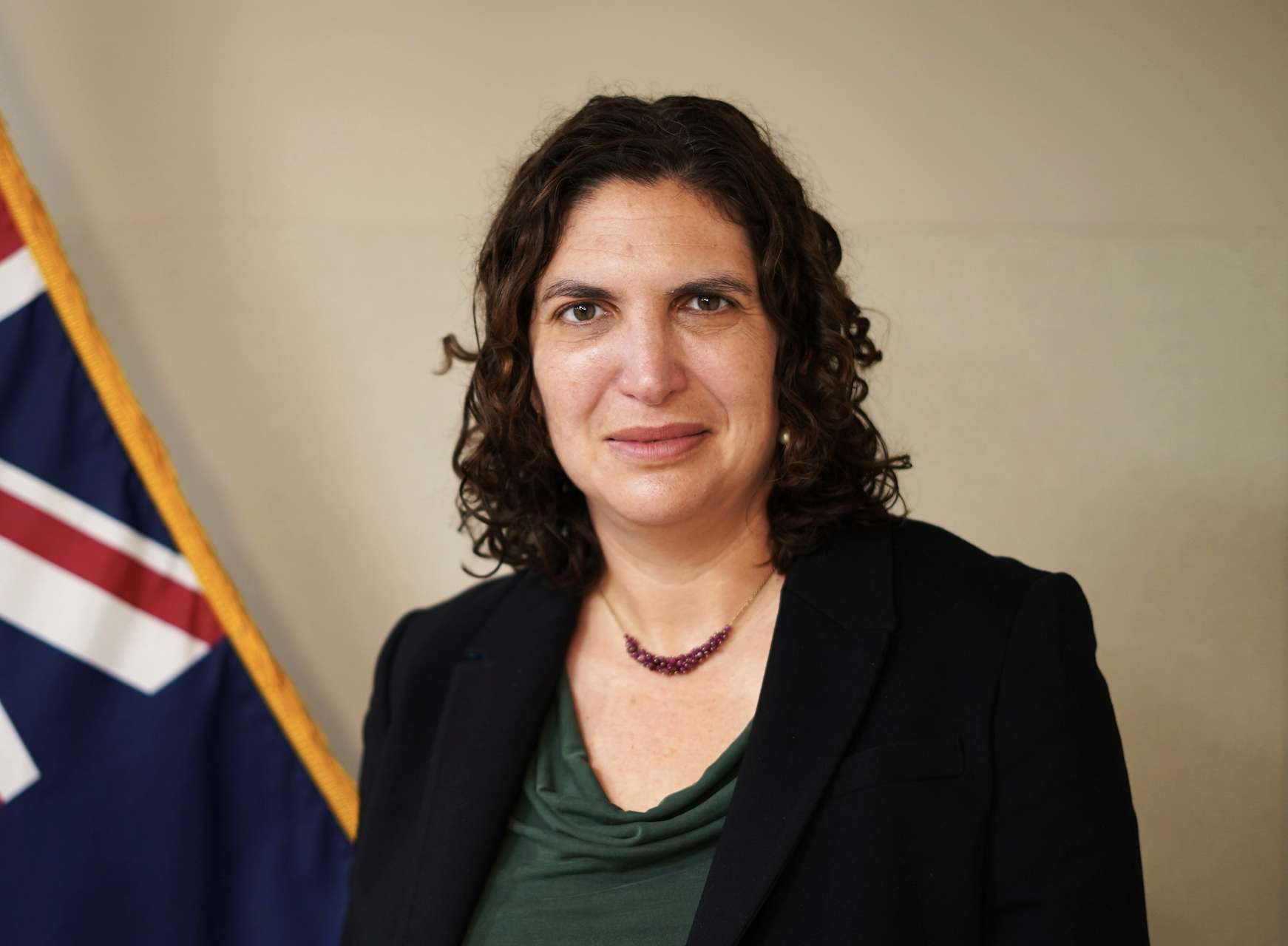 Dr. Wolf said students leaving for college are routinely given two meningococcal vaccines under the national immunisation schedule, protecting against multiple strains of the disease. The vaccine, Bexsero, which is offered to Cayman students, provides coverage against the ST-41/44 strain identified in Kent.
“Vaccination continues to be the best form of prevention against meningitis,” she said, urging parents and students to ensure their immunisations are up to date.
There have been no confirmed cases of meningitis in the Cayman Islands this year.
Medical Officer of Health Dr. Samuel Williams-Rodriguez said the Public Health Department maintains ongoing surveillance and has the capacity for rapid response.
“The Cayman Islands Molecular Biology Laboratory has the ability to test for meningitis B locally, allowing for early diagnosis and prompt treatment,” he said.
He added that bacterial meningitis is classified as a notifiable disease, meaning healthcare providers are required to report suspected cases immediately to public health authorities.
Symptoms to watch for
Health officials are advising anyone who recently returned from the UK, particularly from affected areas, to seek urgent medical care if they develop symptoms that worsen rapidly.
These include high fever, severe headache, vomiting, neck stiffness, sensitivity to light, confusion, unusual drowsiness and a rash that may begin as small red spots before spreading into darker blotches. Rapid breathing, as well as joint and muscle pain, can also occur.
Meningococcal disease can progress quickly and become life-threatening within hours, making early treatment critical.
Public urged to stay informed
While the situation in Kent has prompted significant concern – including long queues at vaccination clinics and expanded public health measures – officials in both the UK and Cayman stress that the broader risk to the general population remains low.
“Although the risk to the wider population remains low, it is still really important that people know the symptoms of invasive meningococcal disease and seek immediate medical attention if they or anyone they know develops them,” said Dr Sherine Thomas, infectious diseases consultant at UKHSA.
Anyone with concerns or symptoms is encouraged to contact the Public Health Department at 244-2889 or 244-2621.
Related Videos