

At a glance
- Cuba’s deepening crisis has not translated into a surge in irregular migration, with just 24 migrants arriving in Cayman so far in 2026.
- Authorities remain on alert, with contingency plans and funding in place despite no signs of a mass influx.
- Tight coastal surveillance in Cuba is limiting large-scale departures by sea.
- Migration patterns are shifting, with more Cubans settling in new locations across Latin America rather than heading north.
As Cuba sinks deeper into one of its most acute economic and social crises in decades, Cayman authorities have repeatedly said that they are bracing for a potential surge in migrant arrivals. So far, though, the numbers reaching the islands remain low.
Fuel shortages, widespread power outages and strained public services have deepened hardship across Cuba in recent months, caused by the tightening and expansion of decades-old US sanctions. A large-scale blackout in early March left millions without electricity, while transport disruptions, hospital pressures and deteriorating sanitation services have added to daily challenges.
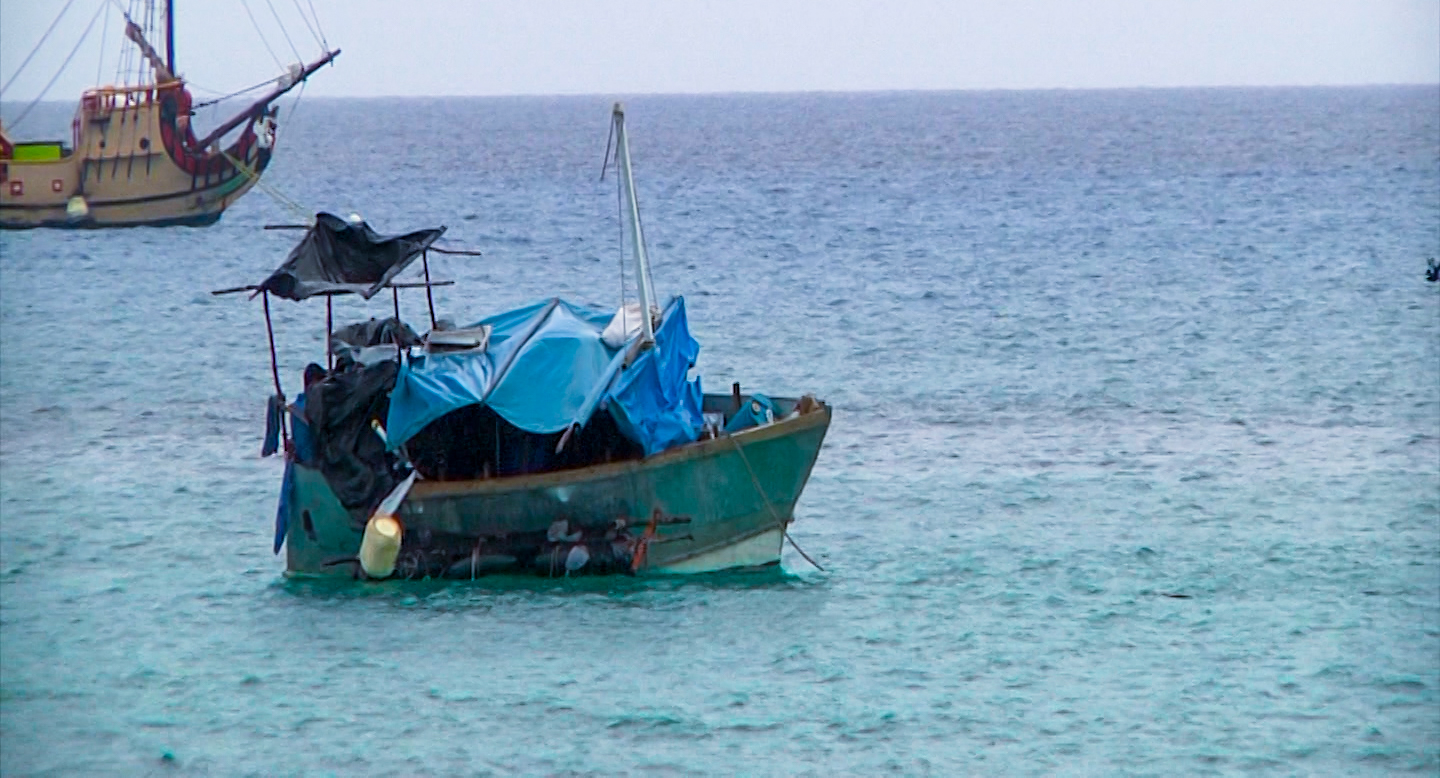
Historically, periods of acute economic stress in Cuba have coincided with spikes in outward migration, including sea crossings toward nearby territories such as Cayman. The 1994 Balsero crisis – when nearly 1,200 migrants arrived within weeks – and the 2022 surge, which saw hundreds of Cubans reach Cayman shores by boat, remain defining reference points for local authorities.
So far, however, there is little evidence of a comparable surge.
Customs and Border Control confirmed that 24 Cuban migrants have arrived in Cayman so far in 2026. Of those, 20 have already been repatriated. A total of 24 migrants are currently in detention, a figure that includes some individuals who arrived prior to 2026.
The numbers point to continued movement, but at levels well below those seen during previous influxes.
Even so, officials say they are maintaining a state of readiness. Customs and Border Control Director Bruce Smith said government agencies are monitoring developments and preparing contingency measures.
“The Cayman government and all of the relevant and key stakeholders, including Customs and Border Control, Royal Cayman Islands Police Service, the Coast Guard, Hazard Management Cayman Islands and other key agencies are monitoring the situation and taking steps to be prepared for this,” Smith said in an interview with the Compass.
He added that emergency funding is available in the event of a mass migration scenario, and that alternative arrangements would be made if Cayman Airways is unable to support repatriation operations.
At a broader level, government has reactivated its Mass Migration Committee, a multi-agency group responsible for coordinating responses to large-scale arrivals. Existing protocols focus on identity verification, health screening and security assessments, in line with domestic law and international obligations.
Officials have stressed that these measures are precautionary. Government has stated that there is currently no indication of an imminent mass migration event, but that preparedness remains a priority given Cayman’s proximity to Cuba.
Constraints on departures
Some observers suggest that structural factors within Cuba may limit the likelihood of a large-scale maritime exodus, even amid worsening conditions.
Juan García, a Cuban national who arrived in Cayman by raft and was later granted asylum, said under a pseudonym that while economic hardship is severe, the ability to leave the island by sea is tightly controlled.
“Cubans would not have the opportunity to leave the island en masse by boat … as had happened in other years,” he said. “For a mass migration to occur, the Cuban government must not only provoke it, but also allow it.”
He said coastal areas are now under tighter surveillance than ever, making it increasingly difficult to organise departures without detection.
“Cuban beaches and coasts … are the primary target and privileged property of the army that the government controls,” he said. “Because of this, the government maintains extreme surveillance.”
García added that attempts to leave the country are often carried out in strict secrecy due to the risk of arrest or being reported by informants.
“Everything must be done with the utmost silence … A family member could betray you,” he said.
He referred to laws and constraints that severely limit spontaneous mass departures, even during periods of crisis.
Cuban migration patterns shift across the region
At the same time, regional data suggests Cuban migration is increasingly taking different routes.
A recent report from the International Organization for Migration’s Displacement Tracking Matrix indicates that more Cubans are choosing to remain in Latin America rather than continuing north toward the United States.
In Costa Rica, 94% of Cuban migrants surveyed in early 2026 said they intended to stay, citing economic opportunities, political stability and access to international protection.
Northbound migration through parts of Central America has also dropped sharply. In Honduras, irregular entries of Cubans from Nicaragua fell by about 75%, from 64,000 in 2024 to 17,000 in 2025. In the first two months of 2026, just 1,500 arrivals were recorded, less than a quarter of the total for the same period in 2025.
Policy changes appear to be contributing to the shift. Nicaragua has ended visa-free entry for Cubans, removing a key route toward the United States, while legal pathways into the US have narrowed following the termination of humanitarian parole programmes and new visa restrictions under the Trump administration.
South America has also emerged as a growing destination, with Cuban migration to countries such as Brazil and Uruguay increasing significantly.
According to the International Organization for Migration, Latin America is shifting from a transit corridor to a destination, with migrants increasingly choosing to settle in new locations across the region.
Related Videos












How many have you allowed to stay since 2019, and given jobs, housing, food, medical treatment and Residency to? Did they buy a house, build a house, or invest the “required” $2.1 million dollars? I’ll be waiting for an answer, tick, tick, tick……