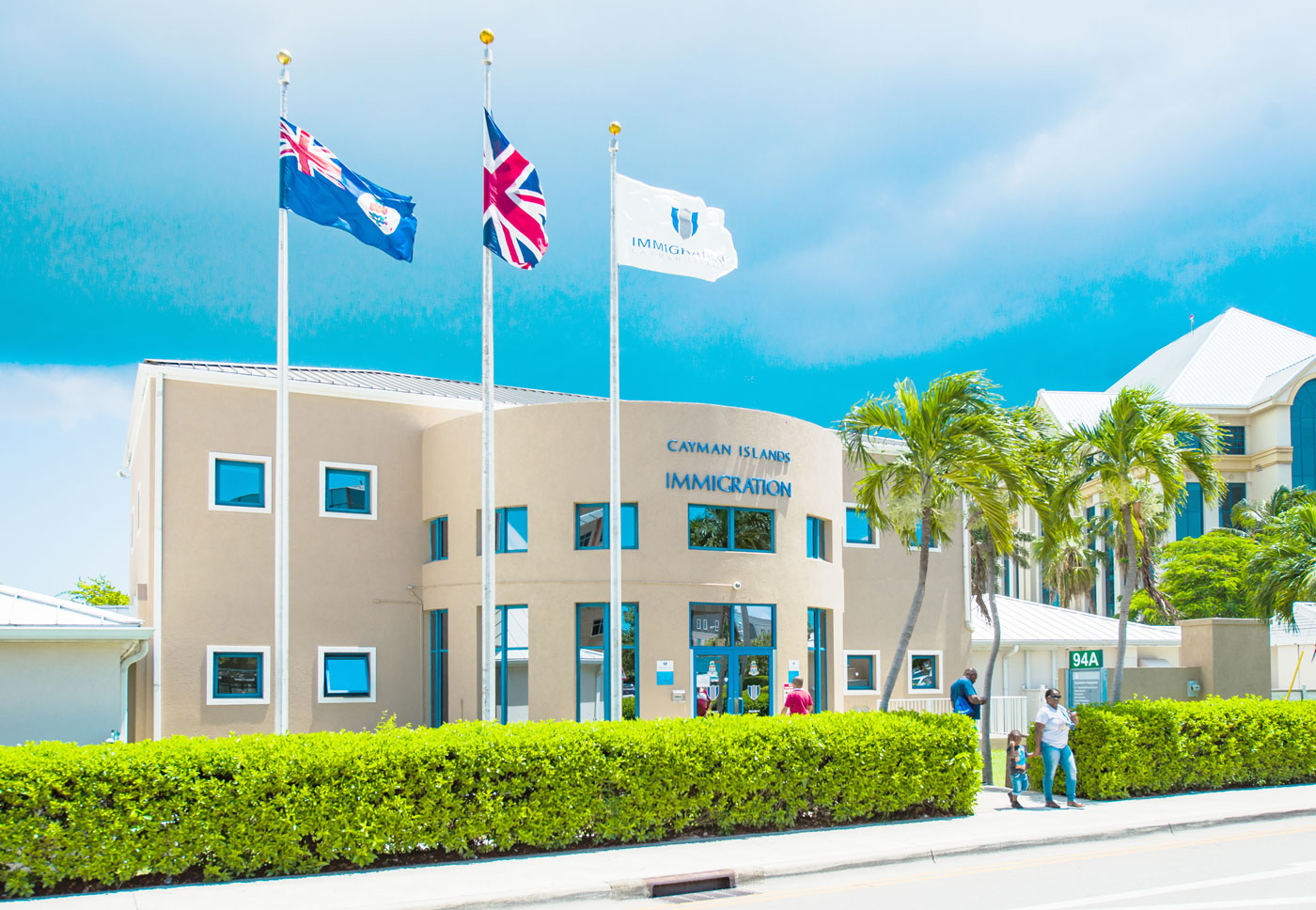
Tougher visa regulations for four nations in the Caribbean and South American are set to take effect this week in a bid to contain irregular migration, the government announced.
Peruvian and Venezuelan nationals will need visas for entry and transit through the Cayman Islands.
Nationals of Haiti and the Dominican Republic will need in-transit visas to travel to their destinations through Cayman.
Home Affairs Minister Nickolas DaCosta said, “These amendments represent a proactive and essential measure to safeguard our borders and uphold our international obligations.
“By reinforcing our visa framework, we ensure that the Cayman Islands are not exploited as a transit point for irregular or unlawful migration.”
He was speaking after the Cabinet approved amendments to the Customs and Border Control (Visas, Entry and Landing) Regulations (2025 revision) to improve the screening of arrivals.
The amended regulations will come into effect on Thursday, 2 April.
The Ministry of District Administration and Home Affairs said the amendments were introduced for “maintaining compliance with international obligations and continuing to facilitate legitimate travel”, as well as ensuring the country was not open to irregular or unlawful migration.
It added the schedule of visa fees and extensions had been incorporated into the regulations, but that fees had not been changed.
Visa exemptions
Specific exemptions to facilitate legitimate travel were also introduced by the ministry, which include short-term transfers of cruise ship passengers who want to change ships within 24 hours of arrival, depart on the same ship or leave by air.
Commercial airline crew on stopovers, private jet crew and air ambulance personnel contracted to a Cayman healthcare provider are also exempted.
Travel disruption in Venezuela
Uncertainty and travel disruption in Venezuela, where there had already been an exodus of people under the rule of Hugo Chávez and his successor Nicolás Maduro as economic conditions worsened, intensified in early January after US forces intervened in the country and captured Maduro in the capital Caracas.
The US Federal Aviation Administration closed airspace over parts of the region after Maduro, who is in the US awaiting trial on narco-terrorism charges, was deposed, but US president Donald Trump order the reopening of Venezuelan airspace at the end of January.
American Airlines announced early in March that it would resume flights to the country, becoming the first US airline to return since service was suspended.
Almost eight million people had fled the country by 2025 and people continue to leave amid fears over the future.
Related Videos