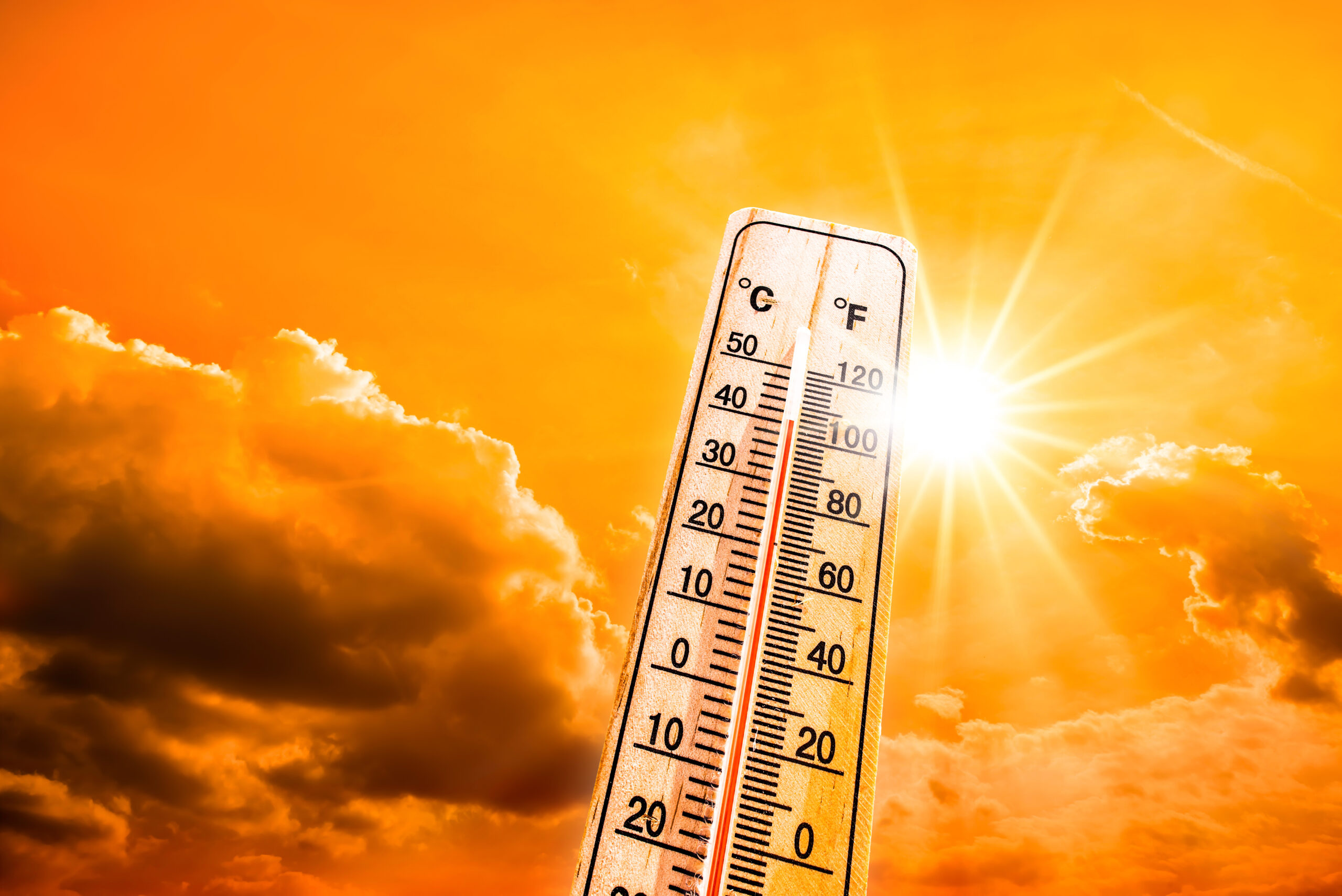
The Cayman Islands National Weather Service has issued an advisory warning that frequent or prolonged heatwave conditions are possible during the 2026 wet season, as the environment transitions to an El Niño environment during the period between May and July.
Forecasters at the weather service say the pattern is expected to push temperatures above average across the Cayman Islands and the wider Caribbean, while also limiting the overnight cooling that normally offers some relief after a hot day.
Under the islands’ definition, a heatwave occurs when “daily maximum temperatures meet or exceed the determined local heatwave threshold, and also minimum temperatures stay above the monthly average, and the pattern lasts for at least three consecutive days.”
The weather service says those conditions could affect public health, freshwater resources, agriculture and electricity demand in the months ahead.
Broader climate signals are also lining up. NOAA’s Climate Prediction Center said on 9 April that ENSO-neutral conditions are expected to hold only briefly, with El Niño likely to emerge in May-July and persist through at least the end of 2026. Colorado State University’s seasonal forecast likewise points to El Niño becoming a dominant factor during the peak of the Atlantic hurricane season.
That matters for Cayman because El Niño is often associated with above-average temperatures across the Caribbean region, even while it can also increase wind shear and suppress Atlantic tropical cyclone activity.
That trade-off may sound attractive in hurricane terms, but forecasters say it comes with a cost. National weather service forecaster Kerrie Forbes said the developing pattern looks similar to 2023, when El Niño was in place through the season. That year, Cayman recorded 10 heatwaves during the season and set a new national maximum temperature record of 95.5°F on 21 July, 2023.
The price of diesel that powers the Caribbean Utility Company’s generators is currently rising on the back of instability in the Middle East. If those price increases persist throughout a hotter summer, increased energy use and higher energy costs would translate into cost-of-living increases for residents.
Impact on reefs
For Cayman’s reefs, the higher temperatures associated with El Niño create a dangerous situation. Coral bleaching happens when heat-stressed corals expel the algae that live in their tissues and provide much of their energy, turning reefs white and leaving them vulnerable to disease and death. The Department of Environment says warming seas are already threatening Cayman’s reefs.
Research published in May 2025 on the coral bleaching event in Little Cayman during the last El Nino event, found that the 2023-2024 marine heatwave drove catastrophic bleaching and mortality, with only about 7.4% of corals still healthy at the peak of the event and roughly 53.7% of colonies on original survey transects dead by the end of January 2024.
Related Videos