At a glance
- The Autism and Neurodevelopment Symposium 2026 explored the role of visual thinkers in the Cayman Islands.
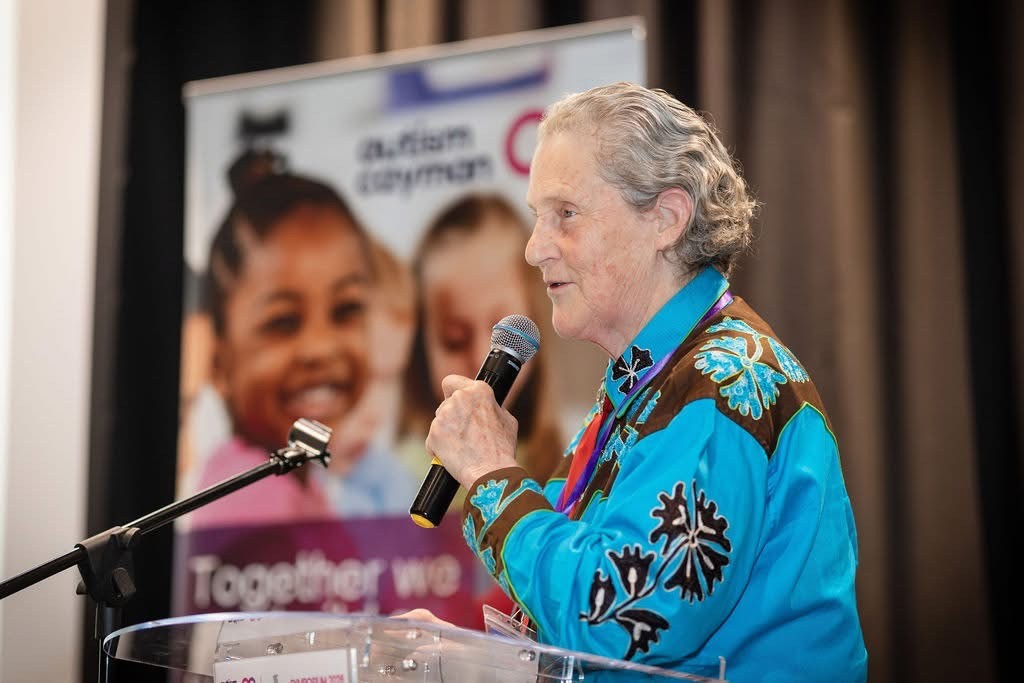
- Temple Grandin, whose work has reshaped global understanding of autism and cognitive diversity, was the keynote speaker at the event.
- Education Minister Rolston Anglin said Cayman has made progress in creating a more inclusive education system.
Ideas emerging from the Autism and Neurodevelopment Symposium 2026 have raised broader questions about how Cayman’s education system and labour market accommodate people whose strengths lie in visual and hands-on thinking.
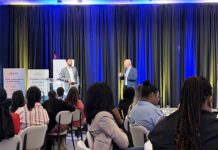
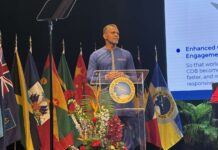
The event, hosted by Autism Cayman at John Gray High School under the theme ‘Bridging Gaps: Collaboration Across Sectors for Neuro-Inclusive Futures’, featured Temple Grandin, whose work has helped reshape global understanding of autism and cognitive diversity.
Beyond the annual symposium, Autism Cayman says it has reached hundreds of beneficiaries through a range of programmes and events, supported by 36 volunteers and a growing subscriber base of more than a thousand.
In her keynote address, Grandin described ‘visual thinkers’ as individuals who process information primarily through images rather than words, noting that they often excel in fields involving designing, building, fixing or working with physical systems, including engineering, drafting, mechanics, construction, computer repair and aspects of the creative industries.
Her observations align with a growing body of research indicating that many autistic individuals demonstrate distinct visual processing and can benefit from visual supports, although experts emphasise that abilities and preferences vary widely across the spectrum.
In a private interview with the Compass, Grandin said she is increasingly concerned that these strengths are being overlooked.
“I’m very concerned that my kind of thinker, the visual thinker who’s good with mechanical things, is being screened out because of lack of higher math,” she said.
She added that many of these roles are less vulnerable to automation and remain in demand. “We need these people,” she said.
Grandin’s remarks come as Cayman’s labour market, while diverse, remains anchored in a relatively small number of dominant sectors.
Within that structure, roles aligned with visual and hands-on strengths do exist – particularly in construction, maintenance, technical trades and parts of the creative and IT sectors.
Anglin: We are making good progress
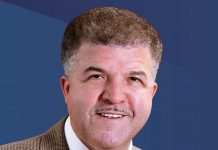
At interview conducted during the sidelines of the event, Education Minister Rolston Anglin said Cayman has made progress in creating a more inclusive education system, particularly through early assessment, diagnosis and efforts to place students in appropriate learning environments.
“Our journey toward full inclusion is outstanding,” he said, noting that mainstream classrooms increasingly incorporate differentiated approaches to meet a range of learning needs.
He said further progress would depend in part on expanding training and development opportunities for teachers.
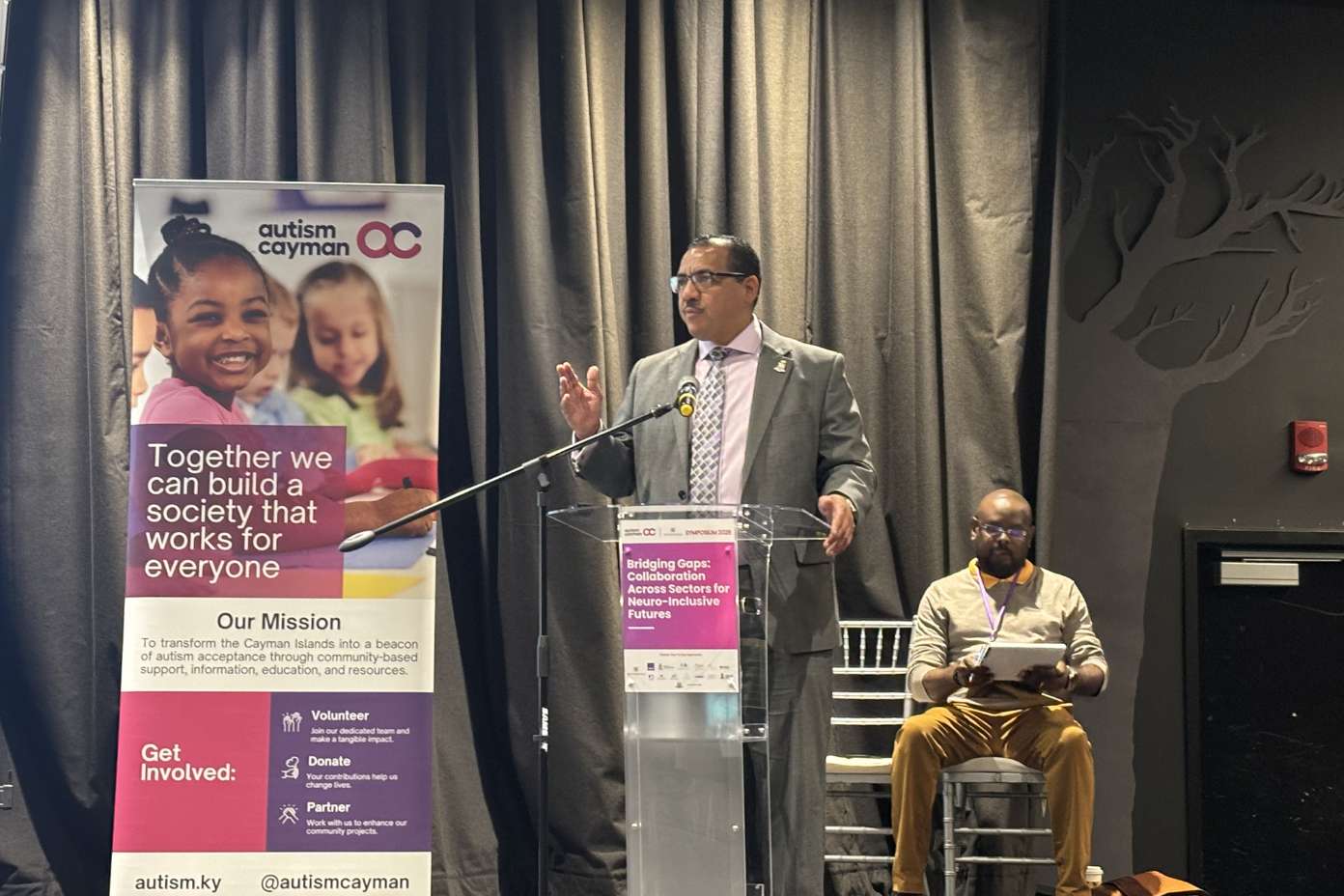
“Our teachers are begging for more development opportunities for them to meet our special or additional educational needs children because they’re in our classrooms,” he said.
Anglin said curriculum delivery would need to remain flexible to reflect different learning styles. “It’s accepting that every child learns differently, and we need to be able to accommodate that learning and really allow them to reach their maximum potential,” he said.
That responsibility does not end in the classroom.
“We need to become much more accountable as parents,” he said, arguing that learning should be reinforced at home as well as at school. Understanding how a child processes the world, whether visually, verbally or otherwise, should shape how they are supported.
“It’s about how they learn, how they see the world and how they’re able to develop,” he said.
On the question of employment opportunities, Anglin said the workforce is largely shaped by the structure of the economy but noted that a range of roles already exist across different sectors. He added that increasing participation from employers would be an important part of expanding access to those opportunities.
“There are jobs available to just about every type of individual in Cayman,” he said. The task, he suggested, is to better connect individuals to those roles and to encourage businesses to play a more active part in inclusion.
Drawing on his own experience in a small company, he described hiring a worker on the autism spectrum as a risk that ultimately proved manageable with the right support systems in place. “It was very, very doable,” he said.
Practical skills needed
Practical integration is what Grandin argued is missing at scale.
One of her central concerns is what she referred to as ‘failure to launch’ – students who succeed academically but leave education without the practical skills needed to enter the workforce.
Practical skills, she said, are something that must be learned early, through real-world experience rather than theory alone.
“They need to start doing a job where mom and dad are not the boss,” she said, urging families and communities to create opportunities for young people to develop responsibility and independence.
Speaking on the sidelines of the symposium, Ally Olarou, secretary and director of Autism Cayman, said the conversation should focus less on limitations and more on aligning individuals with their strengths.
“The Cayman Islands does have this strong financial services sector, followed up very closely by the tourism sector,” she said. “Dr. Grandin’s very passionate about people finding their passion, finding what they’re really interested in, and finding what they’re really good at, and leaning into those strengths so that we can have better outcomes for our children as they enter the workforce.”
Olarou said the goal is not to reshape the economy but to better connect individuals to existing opportunities and build clearer pathways into them.
Grandin’s message is that modern economies that ignore differences in styles of thinking, do so at their own risk.
“We need the skills of people who think differently,” she said, highlighting that whether it is maintaining infrastructure, designing equipment or solving practical problems, visual thinkers play a role that cannot easily be replaced by automation.
“If you’d like to have the electricity work [and] the water systems work, we need these skills,” she said. “Now, your first step is you have to realise different thinking exists.”
Related Videos