The Central Caribbean Marine Institute invites divers to make a difference with a programme called ‘Dive with a Researcher’.
The programme gives divers an opportunity to become more knowledgeable about coral reef conservation issues and efforts while helping collect and archive data during the dives.
A recent participant describes Dive with a Researcher as ‘a very enjoyable experience that made me feel as though I was actively doing something practical to help save the reefs. I encourage anyone with a love of diving and a concern for the health of coral reefs to join’.
A press release points out that by joining the Dive With A Researcher programme divers assist researchers in collecting underwater data; gain a unique new diving experience; help directly fund the project they join; and see first-hand what problems are resulting in regional and global declines on reefs and what scientists are doing to work to protect them.
Participants stay at the Little Cayman Research Centre, next to Bloody Bay Marine Park on the North Shore of Little Cayman. Accommodations and all meals for the one-week research mission are included in the programme.
The next expedition will be 3 to 9 May, focusing on Function of Fluorescent Proteins. The seven-day research project will be spearheaded by Dr. David Gruber, who is a visiting assistant Professor in the Division of Biology and Medicine at Brown University.
Dive with a Researcher programme will Search for Invasive Species from 10 to 17 May. President and founder of the Central Caribbean Marine Institute Dr. Carrie Manfrino will provide oversight to this research project while Mr. Jim Burkitt will lead the field experience for the DWAR participants.
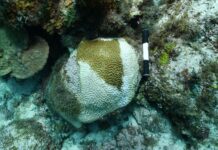
In 2007, divers worked with scientists to address such questions as “what happens to the reef structure when the major reef building corals die?”, “which coral species are most affected by the different diseases?” and “if adult corals are dying, are enough juveniles surviving so that the reef can continue to build over the long term?”
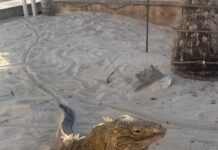
Each day in the programme starts with a good breakfast and a boat departure right from the steps of the Caribbean’s newest tropical marine research centre. Two morning dives will be completed each day at locations both inside and outside the Bloody Bay Marine Park. Dive sites visited during this trip will include sites rarely visited by divers as well as world -class sites such as Three Fathom Wall and Paul’s Anchor. Participants return to the research station each day by lunchtime and have the afternoons free to enjoy bird watching, iguana watching, or just relaxing on the deck overlooking the spectacular emerald lagoon.
The programme is intended for divers wanting a better understanding of coral reefs and the research that is taking place to preserve this environment. Divers will be required to be a dive buddy with a principle investigator. Divers will work together with the scientist and team of divers and may assist collecting data, or photographing and archiving data. Divers should be advanced open water certified with at least 50 dives logged.
Qualified divers are admitted on a first-come, first-served basis. Space is limited so you are encouraged to complete the registration and payment process early. Registration takes just a few steps and can be done online at www.reefresearch.org
Related Videos