

While parents of students in private schools question why they need to pay full fees during school closures, the association representing the schools say, without fees, the schools may have to close permanently.
In an online chat group, Cayman School Fees and E-Learning, several parents have expressed frustration at being required to pay the same level of fees for what they believe is not a “fair value for money”.
“We are not saying that we don’t want to pay fees. We understand that teachers still need to be paid. We are simply asking for more clarity about the fees and the e-learning process,” said Paul Wammer, an administrator of the chat group, the membership of which had grown to more than 270 two days after being created.
Wammer said he believes the government’s efforts to suppress the coronavirus have been commendable so far. However, he added, this has resulted in increased financial hardship for parents, some of whom have lost their jobs.
“Fortunately, I’m still employed. However, the company has no income, so I’m not getting paid, and I’m still expected to pay my child’s school fees,” said Wammer, who spends $13,000 on annual fees for his daughter, who is in the ninth grade.
On Wednesday, the Private Schools Association stated its position on why schools were still charging parents full fees.
“Ultimately, the formula is simple; if families do not pay school fees, then schools will eliminate teachers and staff, and private schools will cease to exist,” said PSA president Jeremy Moore. “Each school is different, but private schools in Cayman are not motivated by profit or designed to generate large surpluses that can be reimbursed to parents.”
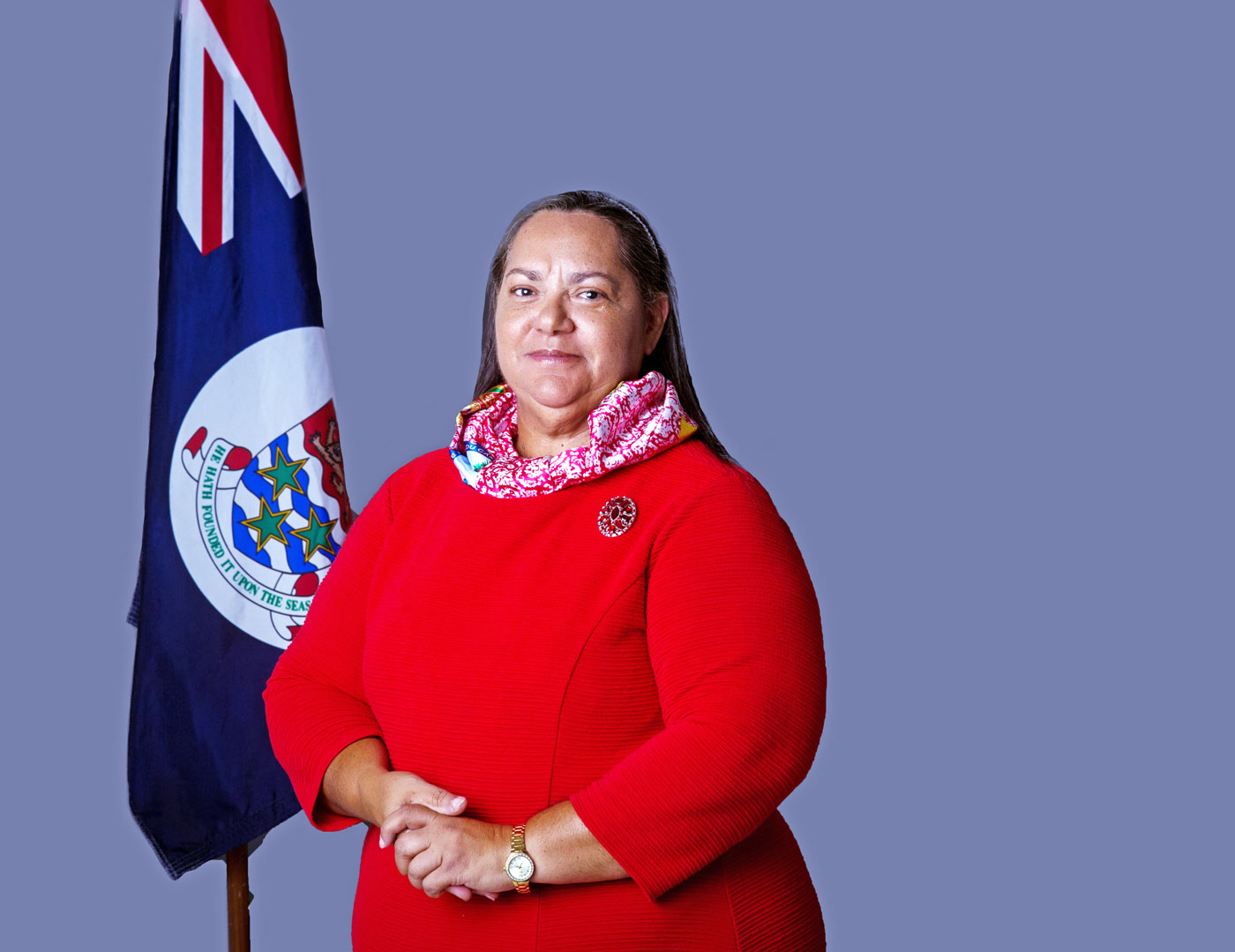
Education Minister Juliana O’Connor-Connolly, speaking at the daily COVID-19 press briefing on Wednesday, said the issue of fees is “a contractual arrangement between the parents and the respective private schools,” and she urged parents to contact the principals and boards of the relevant private schools.
However, she added, “We are nonetheless soliciting a formal legal opinion from the government’s perspective.”
Responding to a question Wednesday on whether the government would consider imposing at-cost school fees on private schools, the education minister said, “Government does not mandate school fees for private schools; however, I would give the undertaking to ask my team to research and see what obtains in other jurisdictions to see whether we need to draft appropriate legislation; and if the response is indeed the affirmative, I will give the undertaking to take the matter to my caucus and government to achieve the same.”
O’Connor-Connolly added that the PSA had received $1 million in government subsidies, which was divided among the various private schools.
Several parents have been calling for properly defined roles and responsibilities for students, parents and schools when it comes to distance learning while the ‘shelter in place’ lockdown is in force.
Moore told the Cayman Compass the PSA does not specify guidelines on how private schools should provide distance learning, “because each school provides their own unique learning system, and this type of oversight is not the purpose of the organisation”.
He added, “Each school utilises a learning platform based on the resources available to them and the structures they have in place – one size does not fit all.”
With each school applying different techniques for distance learning, the level of service varies from school to school, and how that service is used differs from household to household.
“The issue is that some schools are doing little to nothing – they send links or assignments to the students, but there is no way for parents to keep track or follow up,” Wammer said.
“So, what you have is children who are left to their own devices and who could very well end up just talking to friends online.
“Then, there are other schools that provide dynamic, engaging online learning, with teachers who have live video classes, and provide feedback and guidance to parents and teachers.”
Under the government’s ‘shelter in place’ measures, domestic helpers/child-care providers are not classified as essential workers, so are not exempt from curfew conditions. This means that some parents who previously had helpers or nannies find themselves working a full shift, remotely, while also teaching their children.
O’Connor-Connolly said there were no standards in place for distance learning for public or private schools, and it is unlikely that any will be set.
“Currently, there is no standard requirement, as the personal standards for individual homes differ,” she said. “Online teaching works well … in household where students have access to computers, internet and support from their parents and guardians.”
Asked if private school students could transfer to the government’s public school system, the minister said, “Switching from a private school to a public school may prove problematic for students, as the necessary assessments to ensure the smooth transition would not be able to be conducted at this time.
“Teachers may struggle to meet the new needs of students who wish to transfer at this time, without having the opportunity to test and/or examine previous education experiences. A high influx of students to public schools as a method to avoid private school fees is therefore not recommended.”
She added that parents could register their children for the government home-schooling platform as long as they could prove they had suitable resources to facilitate it.
Related Videos









In other words: I will do nothing. Parents, you’re on your own.