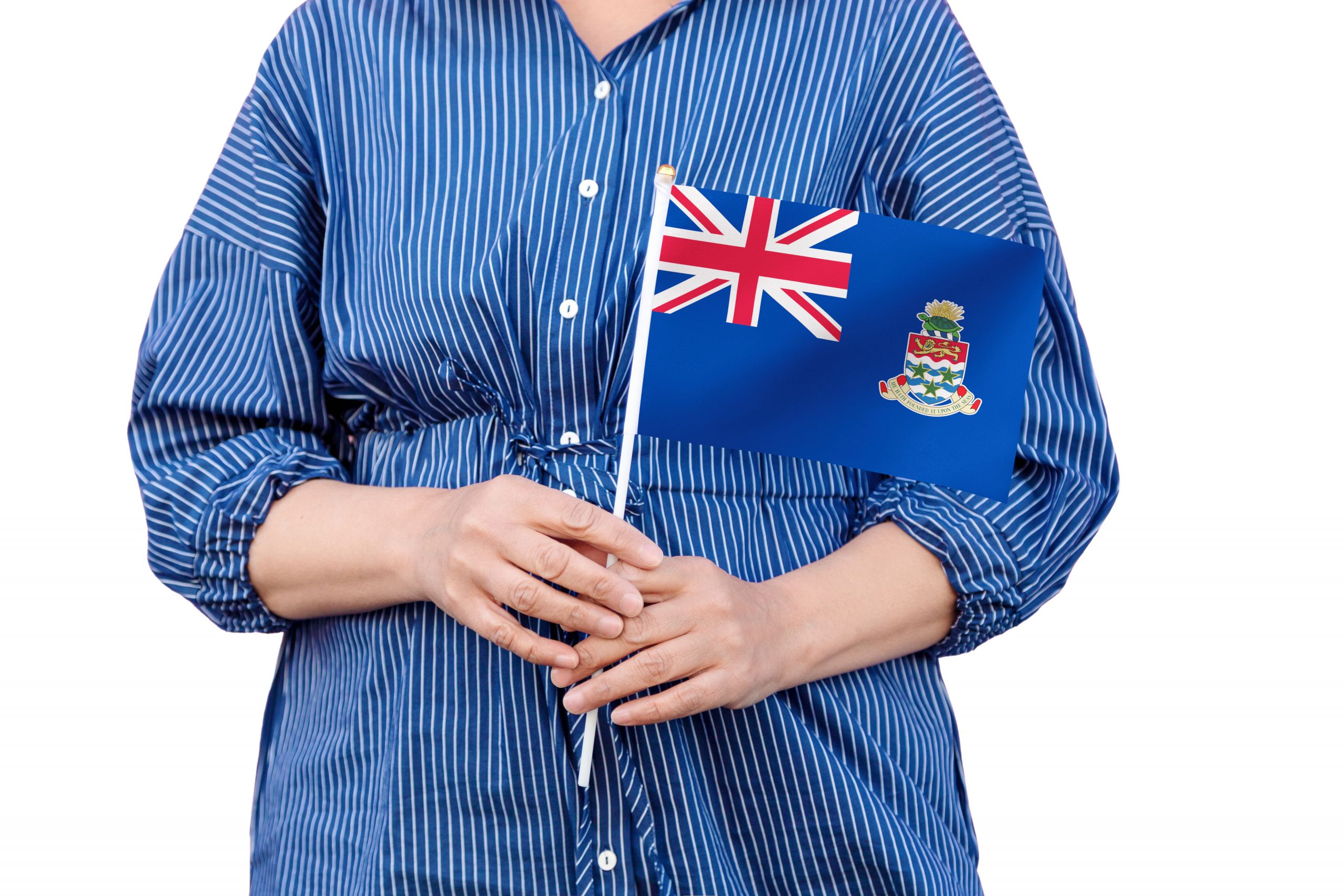
Cayman is fielding 11 female candidates in the upcoming election, representing just over one-fifth of the total number of contenders, with fewer women running compared to 2017.
On International Women’s Day, the Compass looks back at the success rate of women running for elected office over the past four election cycles and the reasons why the cohort remains so small.
According to the Elections Office, 54% of Cayman’s electorate is female and 46% male. But, with just a handful of women putting themselves forward for contention, the success rate at the polls is slim. Moreover, over recent election cycles, very few women have won in consecutive votes.
Mary Evelyn Wood was Cayman’s first female elected representative, sitting in the Legislative Assembly on behalf of Bodden Town in 1962. But other districts, such as East End, have never elected a female representative. Three male candidates are standing in that constituency this year.
Recent election results
In 2005, three women were elected, out of a field of 45 potential candidates: Edna Moyle (North Side), Juliana O’Connor-Connolly (Cayman Brac and Little Cayman) and Lucille Seymour (George Town).
Four years later, the number fell to just one (out of 43 total candidates), with O’Connor-Connolly retaining her seat in Cayman Brac and Little Cayman.
In 2013, two women out of a field of 56 were successful: Tara Rivers in West Bay and O’Connor-Connolly.
By 2017, with the introduction of single-member constituencies and ‘one man, one vote’ replacing the old multimember system, three women had success at the polls, out of a total field of 61 (including 16 women): Rivers (West Bay South), O’Connor-Connolly (Cayman Brac East) and Barbara Conolly (George Town South).
Seymour, elected to represent George Town in 2005, told the Compass that several issues may be at play.
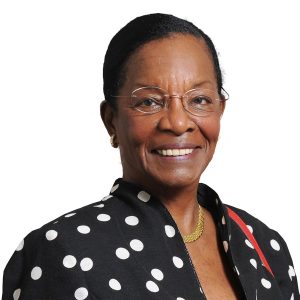
“Firstly, it’s not cheap to get into politics. A lot of women lack the resources; they’re not coming through the party system like I did,” Seymour said.
Citing the mechanism of the party machinery, Seymour listed Conolly, O’Connor-Connolly and Heather Bodden as examples of women who had benefitted from the Progressives’ policy of supporting women to run as candidates.
With an abundance of independent candidates dominating the 2021 race, the decline in traditional party politics may have some bearing on the next generation of aspiring MPs.
Seymour paid tribute to women of her mother’s generation who she says prepared her cohort well to be empowered to believe they could become politicians.
She said once she had a seat at the table, her male colleagues treated her fairly.
“They supported me,” she explained. “They never showed me any difference; it was more from society.”
Maxine McCoy-Moore, who is running for election to the Little Cayman and Cayman Brac West seat, thinks some women are put off by outdated thinking about a woman’s place.
“I think most of them are intimidated by their spouses, by their family. It sounds bad to say, but that’s the truth. There’s still some of them older folks that believe a woman’s place is in the kitchen, being barefoot and pregnant, they must depend on a man to support them. But that flew out the window many many years ago,” McCoy-Moore told Crosstalk listeners last week.
She said many people have often questioned why she continues to run.
“Quite a few people ask me that question. They say ‘Ms Maxine why don’t you give up? You’ve been trying since 1996’. I’m going to give up? Give up? Why? I haven’t really seen anything positive that I would say ‘All right, everything is in place now. I can go home to my heavenly home and say the Cayman Islands are on the right track, they’re on the right roll’,” she said.
Seymour believes that the onus is on women who have been successful to continue to encourage the next generation of female leaders.
She praised the women who have held office before and after her, highlighting their qualifications and professions, in comparison to some male counterparts who were “not as well qualified”.
Speaking on the North Side debate on Crosstalk, aspiring candidate Debra Broderick said female hopefuls were not “power-hungry”.
“I will tell you that when women go into Parliament… they go in there to try to make their societies better for families,” she told listeners.
Resolving the gender imbalance
Seymour believes that the solutions to the lack of female representation start with empowerment and training at a young age.
That’s a point political analyst Paul Byles, speaking at the Compass’ first election debate forum, expanded upon, emphasising that the process needs to begin earlier.
“We need to do a better job, starting with girls and boys… they need to be involved at an earlier level and make sure that they’re treated equally at an earlier level,” Byles said.
“I don’t think it’s something you fix when they get older, I think it’s something we generate when they’re younger, make sure that boys don’t treat girls a certain way, don’t say certain little things a certain way,” he added.
Seymour also proposed that support could also come from the policy side, to ensure that women are both encouraged and prepared to enter politics.
She said this is something she will “always be pushing for, as long as I have breath in my body”.
Related Videos