Healthcare labour shortages and a growing backlog of surgical cases await global health professionals as the world slowly emerges from the worst of the COVID-19 pandemic, said Dr. Edward Fitzgerald, head of healthcare at KPMG Bermuda.
Speaking virtually at the Cayman Islands Healthcare Conference at the Kimpton Seafire Resort Saturday morning, Fitzgerald said the effects of COVID-19 will be felt potentially for a decade.
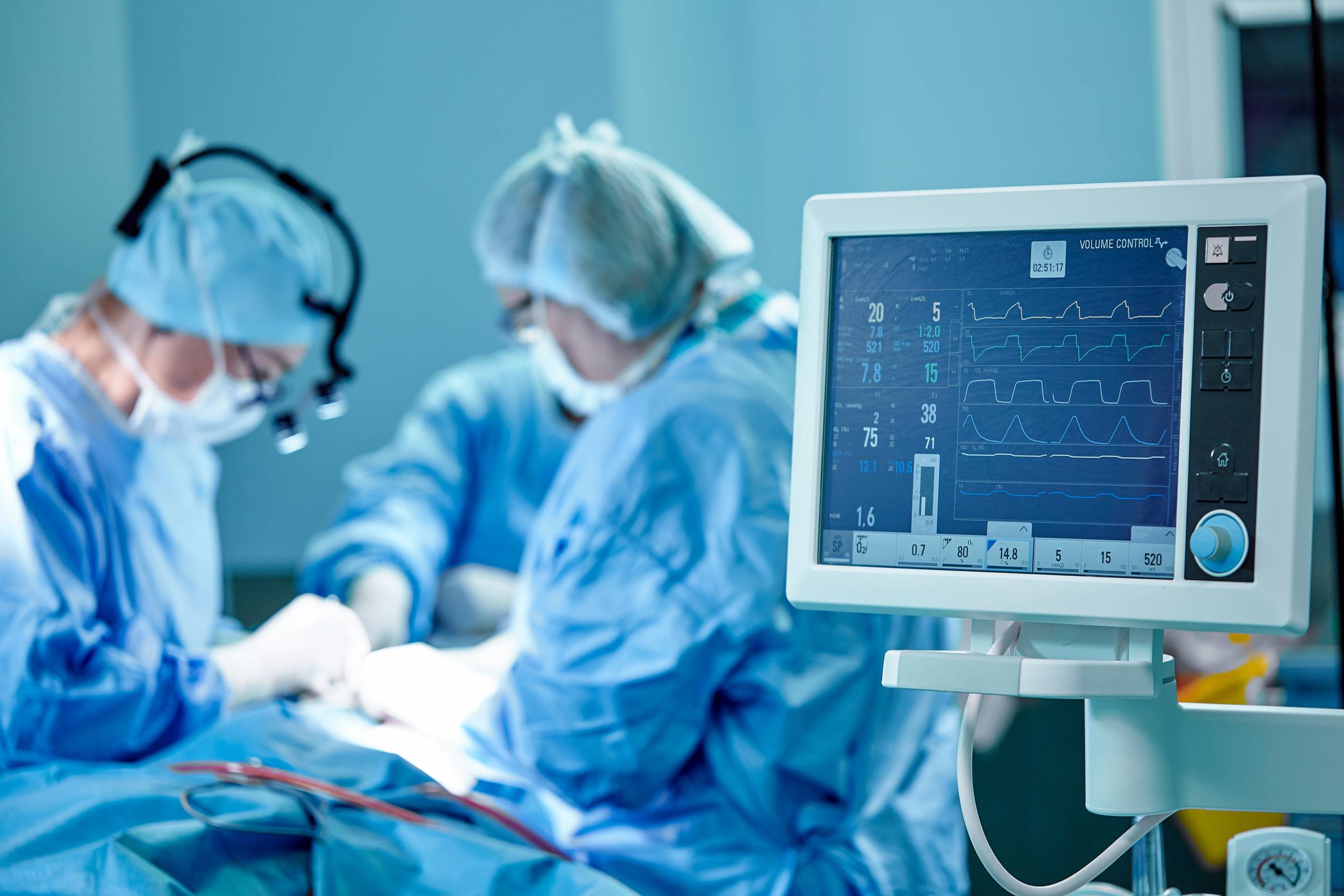
One of the biggest challenges is expected to be the backlog of surgical cases, which continues to grow as the pandemic stretches on.
Fitzgerald said he was involved in research on surgeries last year, after the first wave of COVID-19, and modeling was done on the potential for a backlog in surgical cases when looking at the drop in operative rates in different jurisdictions. At that time, he said, researchers looked at what would have to be done to restore it to normal, and how quickly healthcare professionals would be able to catch up with that backlog.
“We estimated, this was really after the first wave… we were looking at a backlog of three years realistically,” he said.
“And of course since then, 12 months have passed and we have seen many, many more waves and growing waiting lists. We are looking at a backlog of at least five to seven years in jurisdictions that are really able to get back on top of healthcare delivery,” Fitzgerald said.
He said that is coupled with the considerations of how to restructure the healthcare system and “how are we going to pay to catch up on the backlog against the backdrop of burning out healthcare staff?”
He said the pandemic has been challenging on healthcare professionals, and there has been a very significant change in people’s ability to be able to work at the pace that they have been for the last year and a half.
Global staff shortages adding to challenge
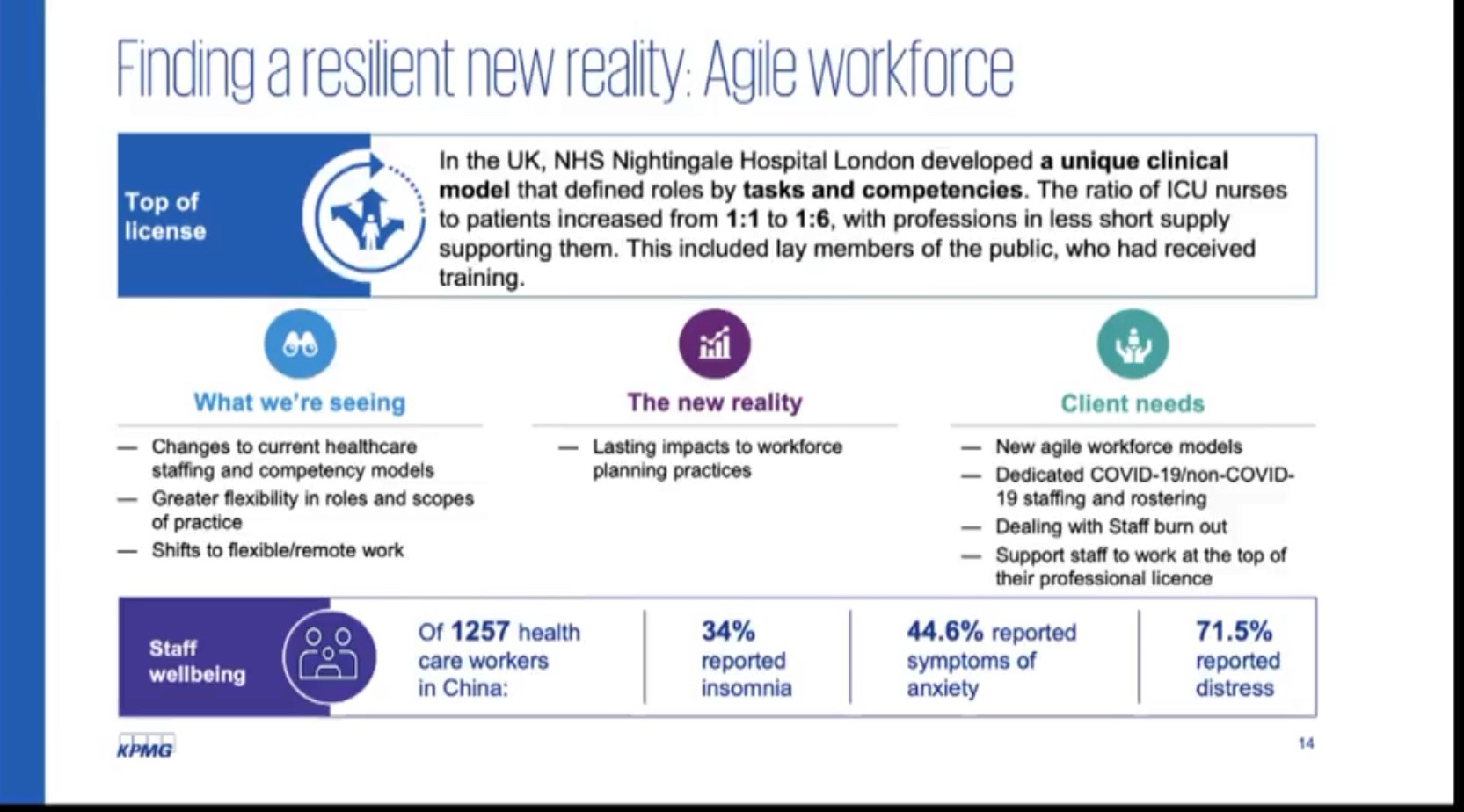
This also points to another challenge, he said, workforce problems.
“We went into this pandemic with a global crisis” in healthcare staff, he said, adding that the World Health Organization estimated a 13 million person shortfall in healthcare professionals.
“So we did not start this pandemic in a good place at all,” he said.
The pandemic, Fitzgerald said, has prompted “a significant rise in the number of people applying for medical careers, a big jump in the number of people applying for nursing and for other medical courses and other allied careers”.
This was because people have seen “front and center in daily headlines” the real value of healthcare professionals, and their impact on fundamentally changing the health and well being of the population, he said.
Speaking on the topic of “COVID-19: Sharing global lessons for recovery and resilience in healthcare,” Fitzgerald’s key message was that healthcare will not go back to how it was, and it should not because healthcare has “fundamentally changed.”
The Head of Healthcare at KPMG Bermuda said there has to be a shift in healthcare as people live longer and increased chronic illnesses are recorded.
“Unfortunately, very few healthcare systems have themselves changed to meet that shifting burden of illness,” he said.
The coronavirus, he said, has picked out the vulnerable, the elderly and has been “cruel in that respect”.
“One of the points that worries me is, even as coronavirus starts to slip out of some of the headlines in different jurisdictions as vaccinations rise and instance of infections falls, there is a risk that some people, the layperson will start to think that coronavirus has gone away or has settled. But what I think you and I working in healthcare know, is the after effects will be with us here for a decade potentially,” he said.
Against the backdrop of the longevity of people and the pandemic is the continuously rising cost of healthcare, which is acute in small islands.
He pointed out that the question turns to the sustainability of existing health systems.
The case could be, and has been made, for universal healthcare, he said.
Healthcare has been one of the last sectors to come into world of digital transformation, he said.
However, with telemedicine on the rise and innovation increasing, “the case could be made that digital transformation is arriving [and] there is a huge opportunity for this, particularly within islands”.
In response to a question on mandatory vaccinations at KPMG, Fitzgerald said the issue is being discussed at a global level.
This has to be a discussion and a decision for individual KPMG offices, he said.
“But it is certainly being discussed,” he added.
Related Videos