In a continuing Cayman Compass Issues series examining the use of technology in the Cayman Islands, this week we look at smart-tech as it relates to environmental and conservation matters.
With Grand Cayman on the cusp on revamping how it disposes of garbage – at the proposed ReGen waste-to-energy and recycling facility rather than at the long overused ‘Mount Trashmore’ landfill – technology will play a large role in both the construction and the operation of the plant.
At ReGen’s ‘waste recovery’ facility, household waste will be incinerated and the heat it emits will produce steam that drives a turbine to generate electricity, which is supplied to the grid.
Cameron Graham, president of Development Delivery and Infrastructure at Dart, says technology, digitisation and automation are changing the way companies across the spectrum of industries do business.
”Even professions that were typically considered more labour-intensive, like construction or waste management, are increasingly technical,” he told the Compass in a statement.
“Technology is playing a major role in the ReGen project, from air quality monitoring during the Environmental Impact Assessment to the ability for the operations and maintenance teams to be able to use real-time data to ensure optimal environmental performance once the energy recovery facility is commissioned.”
Recently, the terms of reference for the environmental impact assessment were signed off, and once the EIA is complete, a draft environmental statement will be published and made available for public consultation.
The facility is expected to take three and a half years to complete, with the $205 million construction costs initially being paid upfront by Dart, as part of the public-private partnership deal between the Dart-led DECCO consortium and the Cayman Islands government. Once completed, government will pay approximately $163 per ton of waste processed through the new facilities over the 25-year life of the project.
Graham said that, using household trash to power more than 2,000 homes and businesses in Grand Cayman, ReGen will divert approximately 9 megawatts of electricity from fossil fuel generation, the equivalent of approximately 3% of Cayman’s renewable energy target under the National Energy Policy.
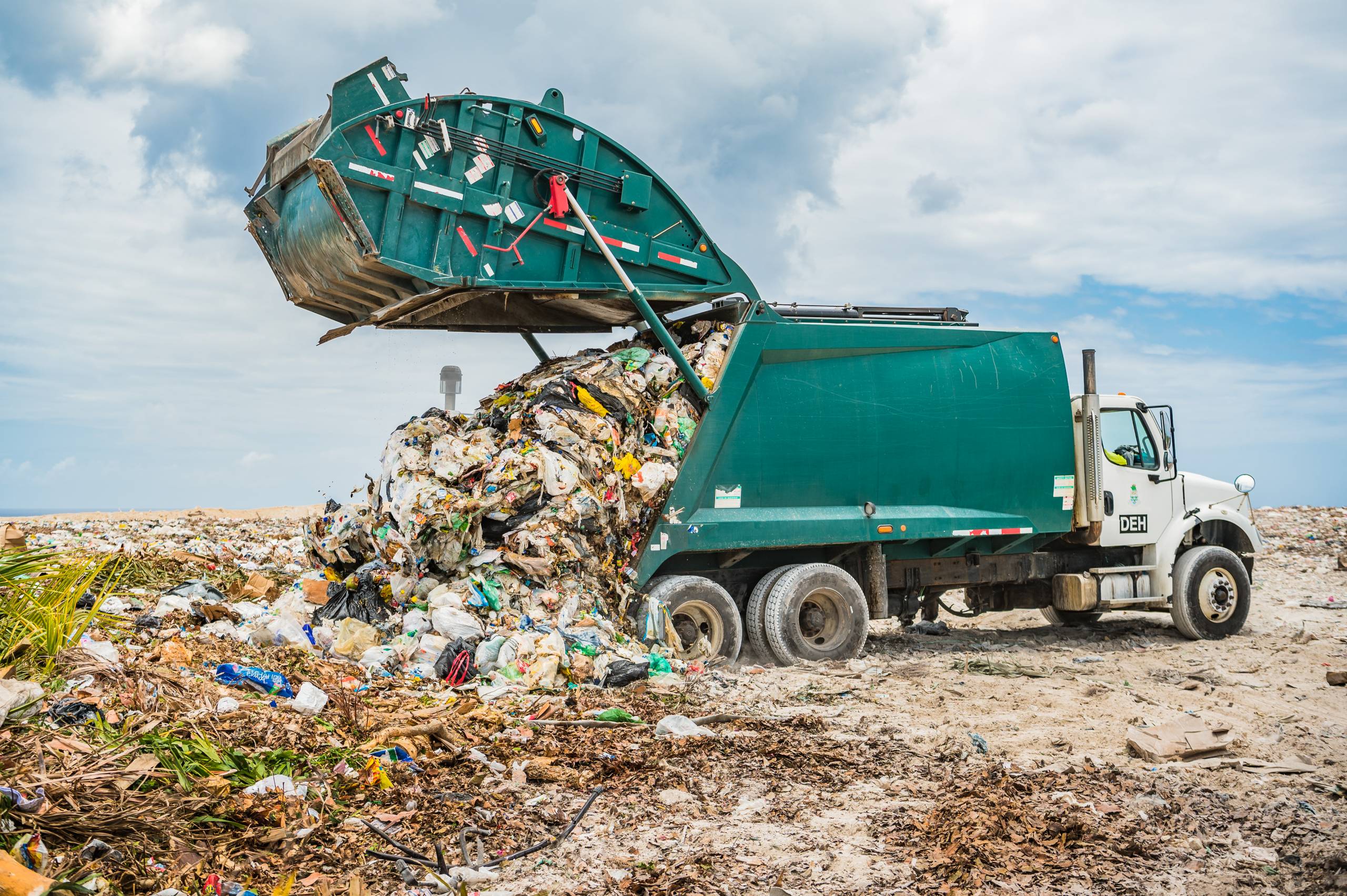
vast majority ending up in the George Town landfill.
The project will use ‘Building Information Management’ (BIM), which Graham explained is “a full lifecycle tool that enables collaborative process in a cloud-based environment not just in the design phase, but through construction, operations, and ending with adaptive reuse or demolition”.
He added, “By encouraging early collaboration and centralising information, we can help define the project goals in a coherent, systematic fashion that reduces the risk of changes later when it is much more costly and time-intensive to do so.”
Air quality monitoring will be part and parcel of the new waste management facility, and its environmental impact assessment will include advanced ambient air quality monitoring stations which the company says it has already purchased, and which the government’s Department of Environmental Health will be able to use in the future for further ambient air monitoring in Cayman.
A joint training programme with Dart and DEH staff has commenced.
This will be the first time ambient air-quality data will have been collected on this scale in the Cayman Islands.
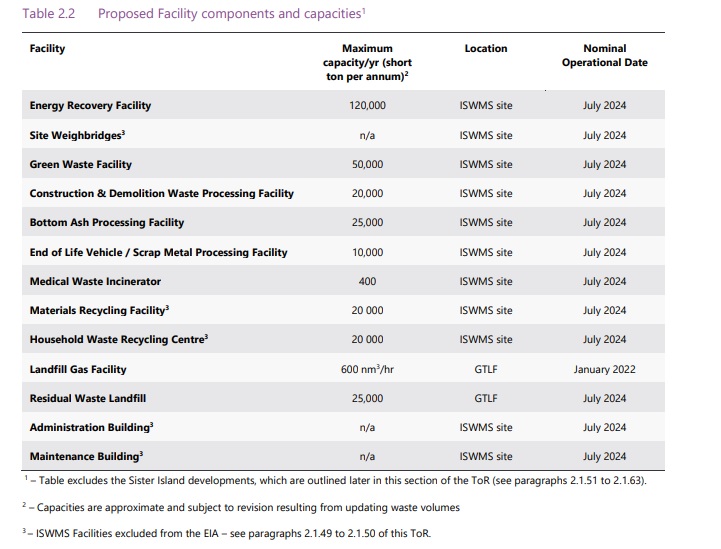
The ReGen energy recovery facility will include real-time, continuous air quality monitoring, which Dart says will enable transparency on emissions once the facility is operational. “The monitoring equipment also provides the operations and maintenance teams the data needed to identify performance issues and address them at the earliest opportunity,” the company said.
Dart also uses high-tech products, such as digital dashboards, to monitor the performance of its solar arrays, which allows the company not only to see the amount of energy generated but to identify any panels that need attention.
“There’s no doubt these technologies have a major role to play in driving innovations that improve sustainability, but that doesn’t mean you have to have the latest and greatest in technology to innovate,” Graham said.
“Innovation is one of the eight values core to Dart’s business activities and company culture, and we define innovation more broadly to encompass continuous improvement and fresh thinking,” he added. “Those kinds of innovations can happen everyday regardless of what technologies you have access to as an individual or business.”
Related Videos