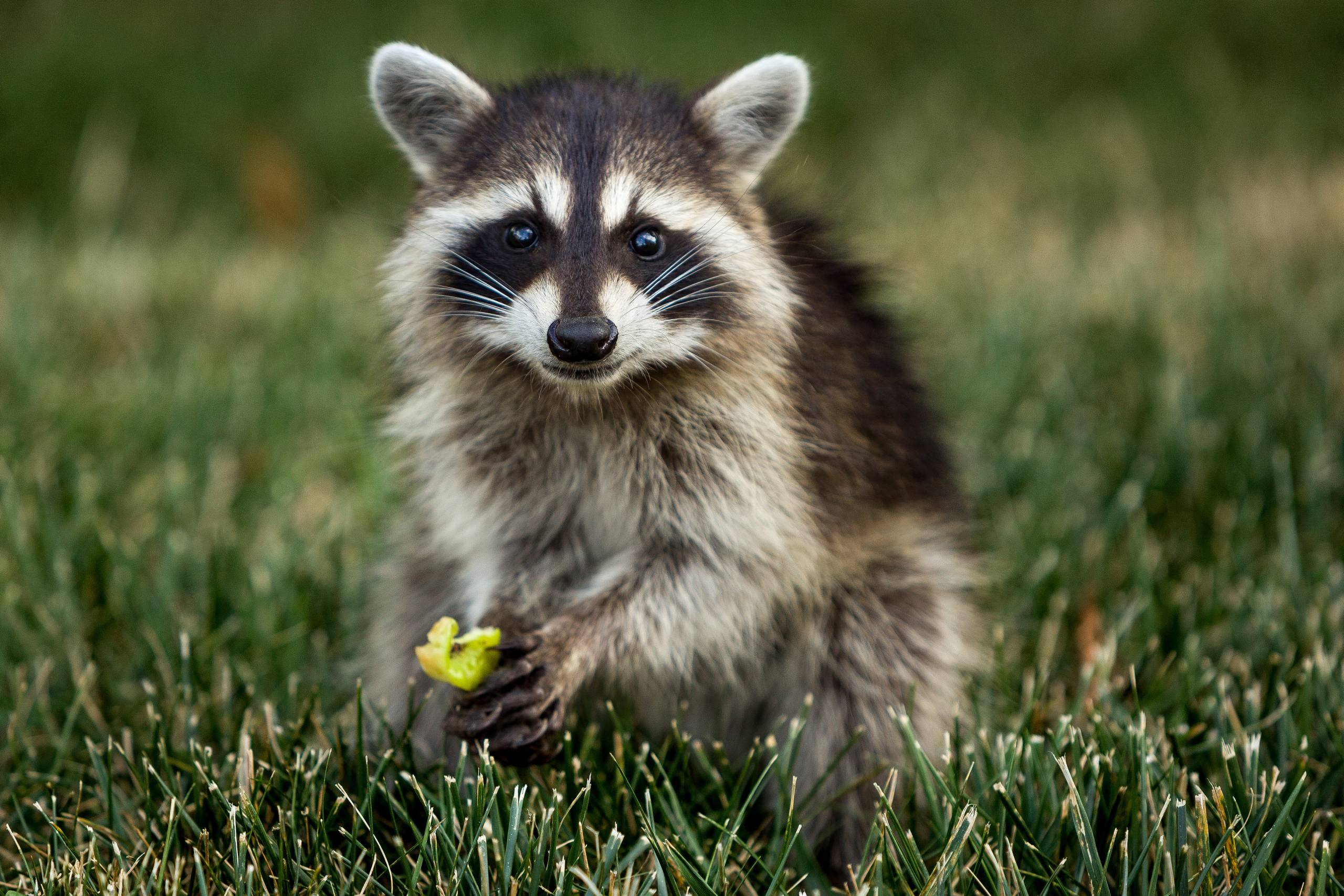
Concerns are growing that local wildlife may be facing a real threat as the search stretches on for a raccoon that escaped from a shipping container on Friday.
As of Monday morning, there had been no updates on the hunt for the raccoon nor reported sightings.
Fred Burton, Department of Environment terrestrial resources manager, responding to queries from the Cayman Compass on the potential impact of the raccoon to the local ecosystem, said, “as a species, raccoons are highly invasive and pose a huge threat to native wildlife”.

Burton, through an emailed statement, said in addition, the animals are noted for being vectors of diseases which “we should be concerned about”.
“If we end up with a feral population of them here it could be worse than the green iguanas even,” he said.
Capturing the animal is critical
The Department of Agriculture, on Friday, warned members of the public to beware of the raccoon which escaped in the vicinity of Republix Plaza in West Bay.
“The raccoon is one of two which escaped a shipping container from the United States. One was trapped. Food from the container has been dumped in light of possible contamination,” the DoA said.
Burton said this is the first recorded incident of a raccoon getting into Cayman.
“In the past cats, frogs and possums have made it here in containers, just to name a few. And that is how the raccoons got here, and it is one way green iguanas make it to the Sister Isles from Grand Cayman,” Burton pointed out.
A spokesperson for the DoA, following Compass queries Friday, said while they could only speculate about how the raccoons came to be in the container, the “most likely scenario” was that the nocturnal raccoons entered the container, which “was partially or fully loaded but left open at some point. The raccoons entered undetected seeking food and were then trapped when the container doors were closed for shipping.”
Members of the public have been urged not to approach or touch the animal if spotted as it could be “carrying diseases such as rabies, and are known to be aggressive”, the spokesman said.

Burton said this incident points “to weakness in biosecurity with the container shipping operations we depend on so heavily”.
He added, “Raccoons must be on the loose in the area in the USA where the container was being loaded. Once the raccoons were locked into the container they would be stuck in there until the seal is broken at the container’s final destination. The proper place to manage this risk is at source.”
As for the animal and its future when captured, the DoA representative said the “first priority is to ensure the safety of the public and the fauna, animals of this island”.
“As such, once the animals are captured it is essential to determine the disease status of the animals, critically if they could be carrying the rabies virus. The Cayman Islands is a rabies-free territory and it is essential that we ascertain as quickly as possible if this status has been compromised,” the spokesperson said.
Members of the public can contact DoA Veterinary Services at 916-5435 or 947-3090, or call 911 if they see the raccoon.
Related Videos