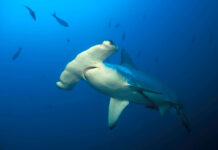
The Department of Environment has confirmed the sighting of a female tiger shark on March 2.
However it said that contrary to reports, the shark was spotted in the deep waters off South Sound – and not at the Sandbar.
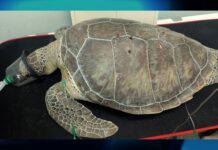
The shark was about 10 feet in length and calmly feeding on a sea turtle carcass floating on the surface of the water, the DoE said in a Facebook post Friday evening.
“Although turtle are among her natural prey, it’s unclear if she hunted the turtle herself or was attracted to the smell of the carcass. Living so close to some of the deepest waters in the world means we have a unique opportunity to observe rare marine animals in the wild,” the DoE said.
Though a tiger shark visit may sound intimidating, sharks are a sign of a healthy ecosystem, the post said.
“Contrary to popular belief, sharks are not interested in eating humans. Sharks are attracted to certain smells in the water, like the turtle carcass, or oily fish like tuna, or fish guts. So if there’s anything like that in the water, sharks might pass by looking for free food,” the DoE said.
This, the DoE said, is why it is important that those visiting Stingray City or the Sandbar not use anything other than squid or ballyhoo to feed the rays.
“Any other forms of chum (fish bits) may not only attract a curious shark, but may also encourage the animal to associate the presence of people with food, a commonly occurring behaviour when wildlife is fed,” the department said.
The DoE added, “It is illegal to feed or attract sharks anywhere in Cayman waters and within the Wildlife Interaction Zone, only approved foods (ballyhoo and squid) may be fed to the rays. It’s an exciting gift to see these incredible creatures up close. So if you see a shark, remember it’s not looking for you.”
The department advised that if a shark is sighted while an individual is in the water, it is important to “stay calm”.
“Snap a pic, but do not approach or engage the shark. If you wish, calmly exit the water and observe the shark from your boat. We can happily coexist with our ocean neighbours with a little respect, appreciation and common sense,” the DoE said.
Related Videos