

At a glance:
- Judicial review filed to halt Cayman’s feral cat cull.
- Charity alleges shooting and trapping breached a 2023 court stay.
- DOE insists programme is lawful and protects endangered wildlife.
- Court must decide if case proceeds to full hearing.
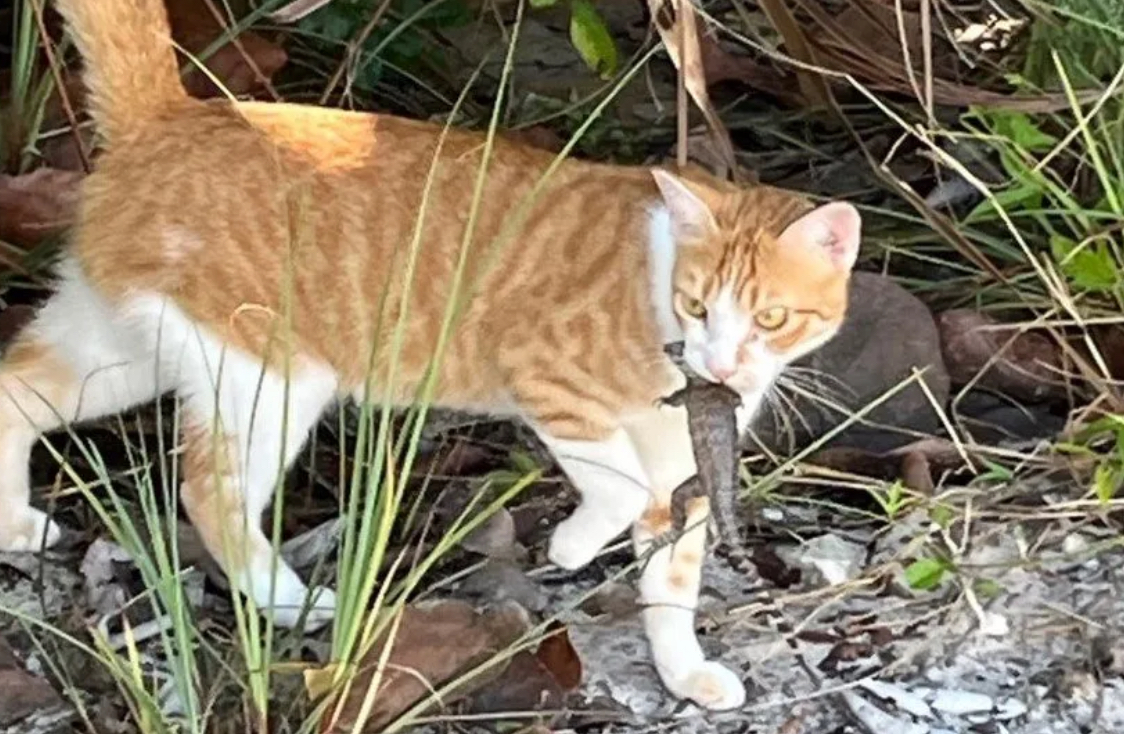
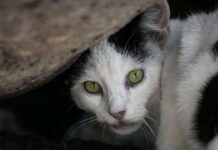
An animal welfare charity has filed a judicial review challenge against the Cayman Islands government, contesting the legality of its ongoing cat-culling operations.
A court application filed by Feline Friends alleges environmental officials have culled cats in what it describes as a “wilful breach” of a binding court-ordered stay.
The court filing further alleges that cats identified as microchipped have been euthanised as part of feral animal control operations. Citing information from a series of freedom of information requests, it alleges that officials have shot and trapped cats without lawful authority.
“The culling of cats by lethal means such as ‘shooting’ is in direct conflict with the spirit and the letter of the law,” the document states.
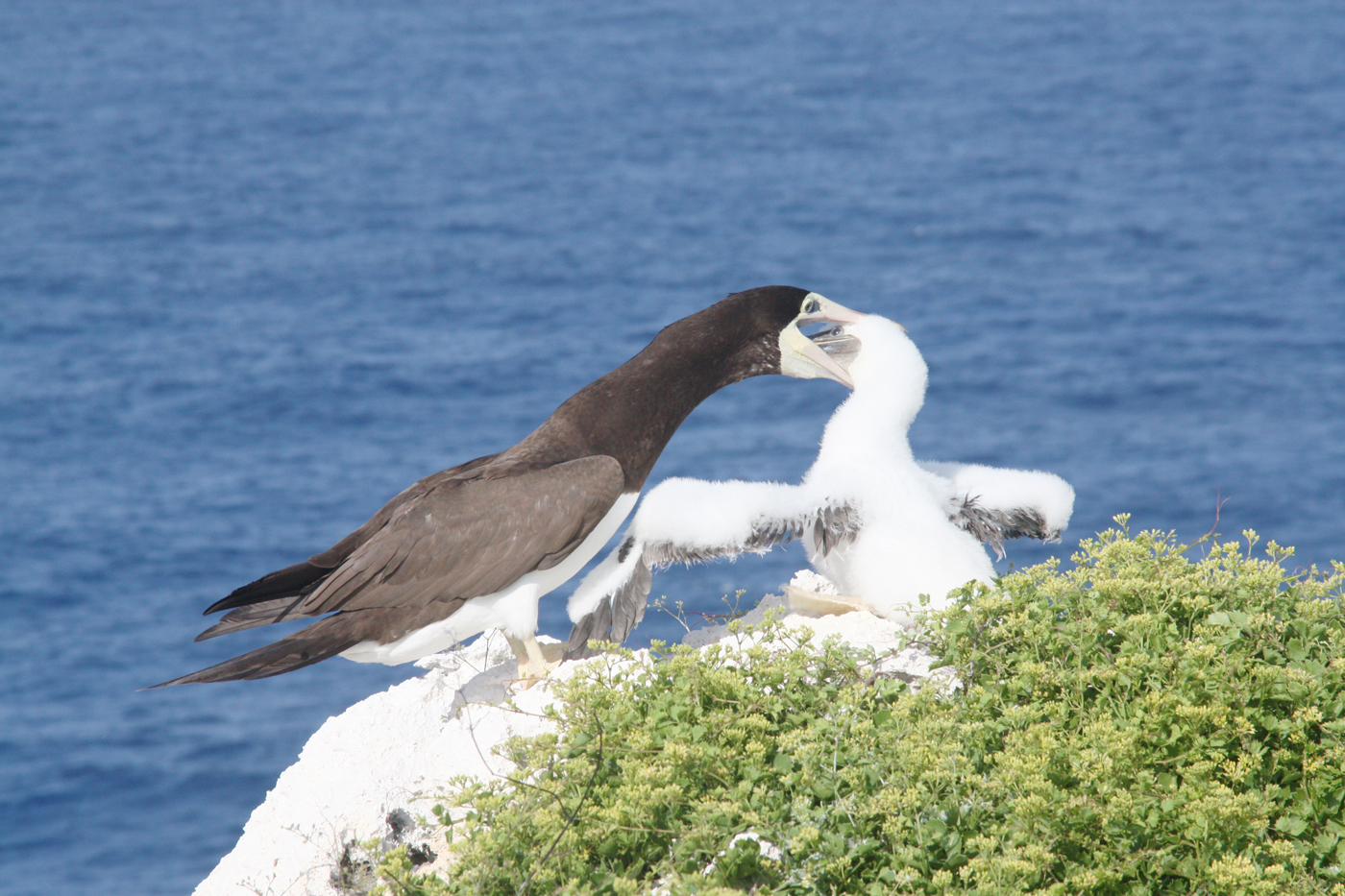
The Department of Environment maintains its ongoing culling activities are legal and necessary to protect Cayman’s “unique and vulnerable wildlife”, including nesting seabird populations on the Sister Islands.
The application for judicial review is the first procedural step in a legal challenge of government policy. A judge must now decide whether the claim is arguable before it can proceed to a full substantive hearing.
If leave is granted, Feline Friends will seek a declaration that government acted unlawfully and beyond its powers, along with a final injunction against any further “unlawful killing”. It is also asking the court to quash or strike down policies and procedures that it says have been used to authorise the cull.
Justice Marlene Carter previously granted leave to apply for judicial review in April 2023 when the charity first contested cat-culling activities. At that stage, the court stayed the specific regulation within the National Conservation Act that allows for control of invasive species.
The new application states that, after that order, the parties entered into discussions during which it was understood that Cabinet would consider legislative amendments that might resolve the dispute. The charity says it reasonably believed the stay remained in force while those discussions were ongoing.
It claims Feline Friends only became aware of continued culling activity through social media posts and later obtained further detail about the extent and methods used through freedom of information requests.
The court document represents only one side of the case, and the director of the Department of Environment and the National Conservation Council – the named respondents – have not yet made any official filing in this proceeding.
Protection of endangered seabirds
A spokesman for the Department of Environment declined to comment specifically on the matters before the court while the case is activated, but reiterated its rationale for culling feral cats.
In a statement to the Compass, the department said its ongoing “alien species control activities” in environmentally-sensitive areas are transparent, effective and “carried out in full accordance with the law”.
It stated, “These efforts have been essential to safeguarding endangered seabirds and other native wildlife from the significant pressures posed by invasive black rats and unowned feral cats.”
Citing published studies, the department said the work is contributing to the rebound of brown booby and rock iguana populations.
“While the legal process continues, the DoE will continue planning for ongoing and future alien species control initiatives to ensure the long-term protection of the Cayman Islands’ unique and vulnerable wildlife,” the department added.
Shooting and trapping
A central issue raised in the filing is the manner in which cats are allegedly being killed. The document states that the Animals Act allows destruction of animals only in limited circumstances, including through the use of a “prescribed poison”.
However, the charity alleges that firearms and “soft jaw foot traps” have been used instead. It also claims that cats identified as microchipped were euthanised as part of the operations.
At a National Conservation Council meeting in December last year, council member Fred Burton, responding to criticisms surrounding the use of firearms to cull cats, clarified that trained Department of Environment staff were using FX Dreamline air rifles to euthanise the cats.
He said at the time that there was a misconception “that we’re wandering around Little Cayman with big guns, going boom, boom, boom, whereas what we’re actually doing is using high-powered air rifles as a precision euthanasia tool for cats that are already trapped”.
Citing information obtained through freedom of information requests, the application states that officials “trapped and shot cats using rifles” and “euthanised cats which they identified as microchipped,” and that such actions were carried out “in breach of the subsisting Court Order”.
The charity did not specify how many microchipped cats were euthanised or provide individual evidence of ownership in the filing. However, it argues that the destruction of owned cats amounts to unlawful interference with property rights protected in the Cayman Islands Constitution.
The document further alleges that trapping operations were conducted on “accessible private properties” without clear evidence of landowner consent.
The application alleges potential breaches of the Animals Act, the Penal Code and firearms licensing laws. It also challenges the legal effect of a 2025 Cabinet exemption order made under the Animals Act, which it argues cannot be used to authorise lethal culling.
In its application, Feline Friends is asking the Grand Court to grant permission for a full judicial review, declare the culling programme unlawful, and issue an injunction preventing any further shooting, trapping or euthanasia of cats while the case is determined.
The court must first decide whether the claim is arguable and should proceed to a substantive hearing. If leave is granted, the government will then have the opportunity to file evidence and formally respond before the court determines the lawfulness of the programme.
Confident in legality
The Department of Environment said it operates “strictly within its legal mandate”.
“We remain confident in the legality of our actions while the matters currently before the court proceed to resolution.”
It cited scientific reports to demonstrate the effectiveness of the cull in protecting endangered species on the Sister Islands.
“On Cayman Brac, brown boobies achieved 100% fledgling success in 2023 following the removal of invasive predators from the Lighthouse Trail. On Little Cayman, the Sister Islands rock iguana population has more than tripled since unowned feral cats and black rats were removed from critical habitats,” the department said.
It added, “The Department of Environment remains committed to its responsibility to conserve native species and to employing evidence-based, legally permitted measures to achieve this.”
Related Videos








Feral cats are a danger to wildlife throughout the world.
Even domesticated cats kill birds in they are let out the house.
What do these people want to do with all these cats Let them run wild and kill local birds We have the same problem with all the chickens and roosters that wake us up every morning
PLEASE get these cats from owners that allow them to roam the streets and neighborhood. These cats are lounging on the roofs of expensive cars damaging the paint. This is my biggest complaint about the cats..
If the DOE had done their job and controlled the breeding of the very limited number of cats that survived Hurricane Ivan, there would not be such a problem now. Trap, neuter and release these feral cats and allow shelters to have feeding stations. Every living thing has the right to survive.
Dogs and cats have been a problem here for eons. It’s not the animals. It’s the owners, for heaven’s sake. The folks here don’t take responsibility for their animals. Perhaps they just don’t care. They roam free, and the owners should be held responsible. Every owner should file for a license to own a dog or cat, make sure their vaccinations are up to date, and that they receive proper care, or don’t have one. In the case of a dog, they should be in an enclosed fenced area. Regulations would all come under a Humane Animal Department, that would not jump to cull or euthanize animals, but would make sure animals are spayed or neutered, and respected, as well as figuring out a new and kinder approach to controlling the animal population The idea that a male dog should not be neutered is thoughtless and cruel. Speaking of cruelty, Cayman and other islands, are notorious for abusing and neglecting animals. I am sick from this brutal mentality. Again, I emphasize that the problem was created by people, and it takes people to make positive changes. Please step up and do the right thing. Too many people call themselves breeders. That is anything from the truth. Proper breeding takes education, experience and understanding the breeds. That does not exist here. Many animals should not be bred for many reasons.
It infuriates me that members of the community think protecting mangy, deceased, sick, suffering killers of our native species should take sympathy over the endemic creatures they are torturing and eating. TNR is NOT a solution. The cats are eating our local species, not trying to procreate with them. Please, do not delay this important effort to protect our natural heritage. I would support DoE doubling their efforts. Cats do not belong in our natural environment.
I think there are some people who “don’t belong in our natural environment”.