

In-depth: Our story series looked at traffic challenges and solutions
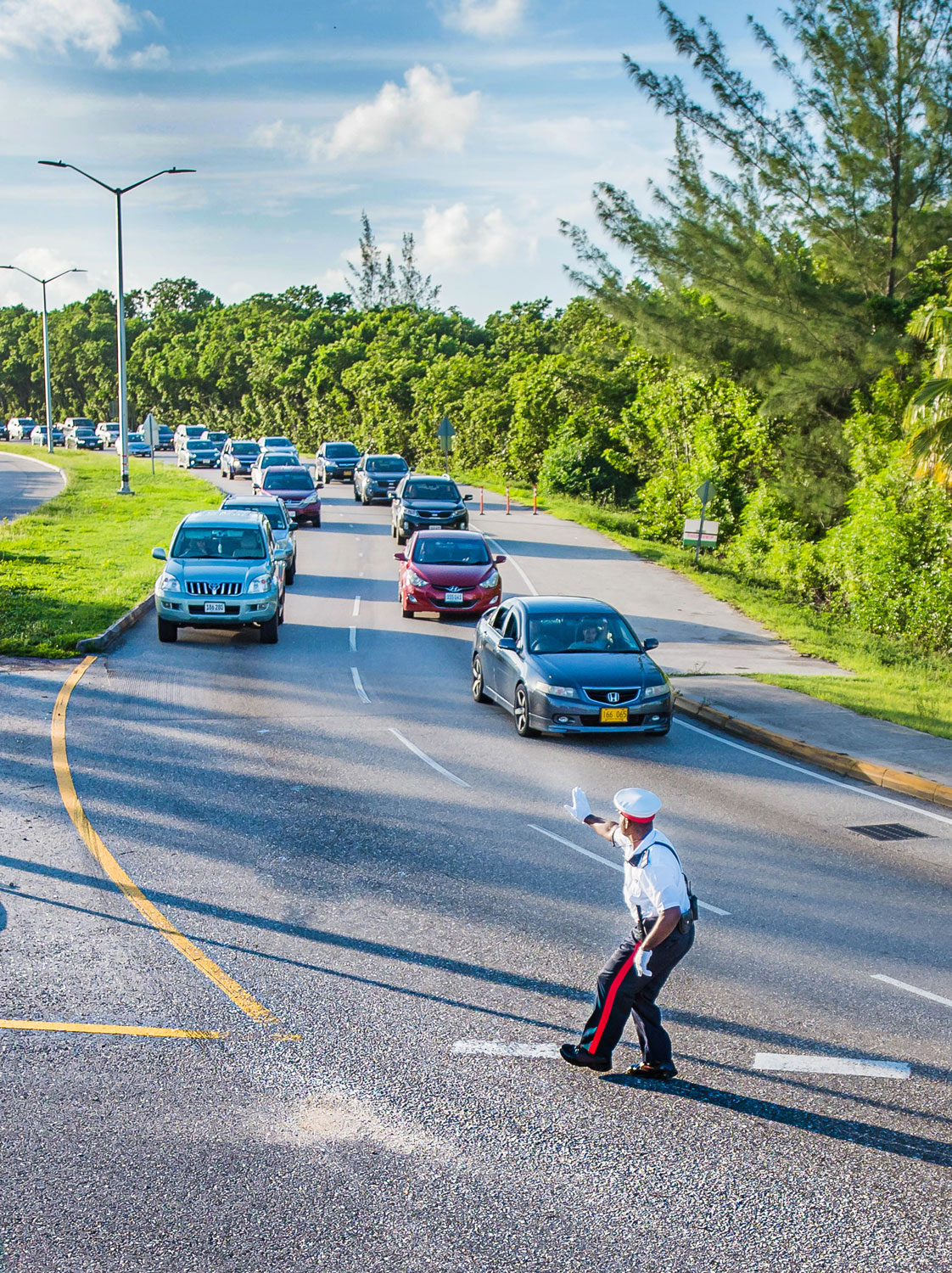
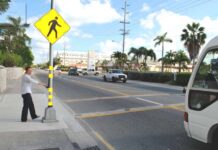
With rush-hour gridlock paralysing Grand Cayman’s roads, government is taking the first steps towards creating a comprehensive public transport system on the island.
The Ministry of Tourism and Transport is seeking consultants to provide technical advice on the project.
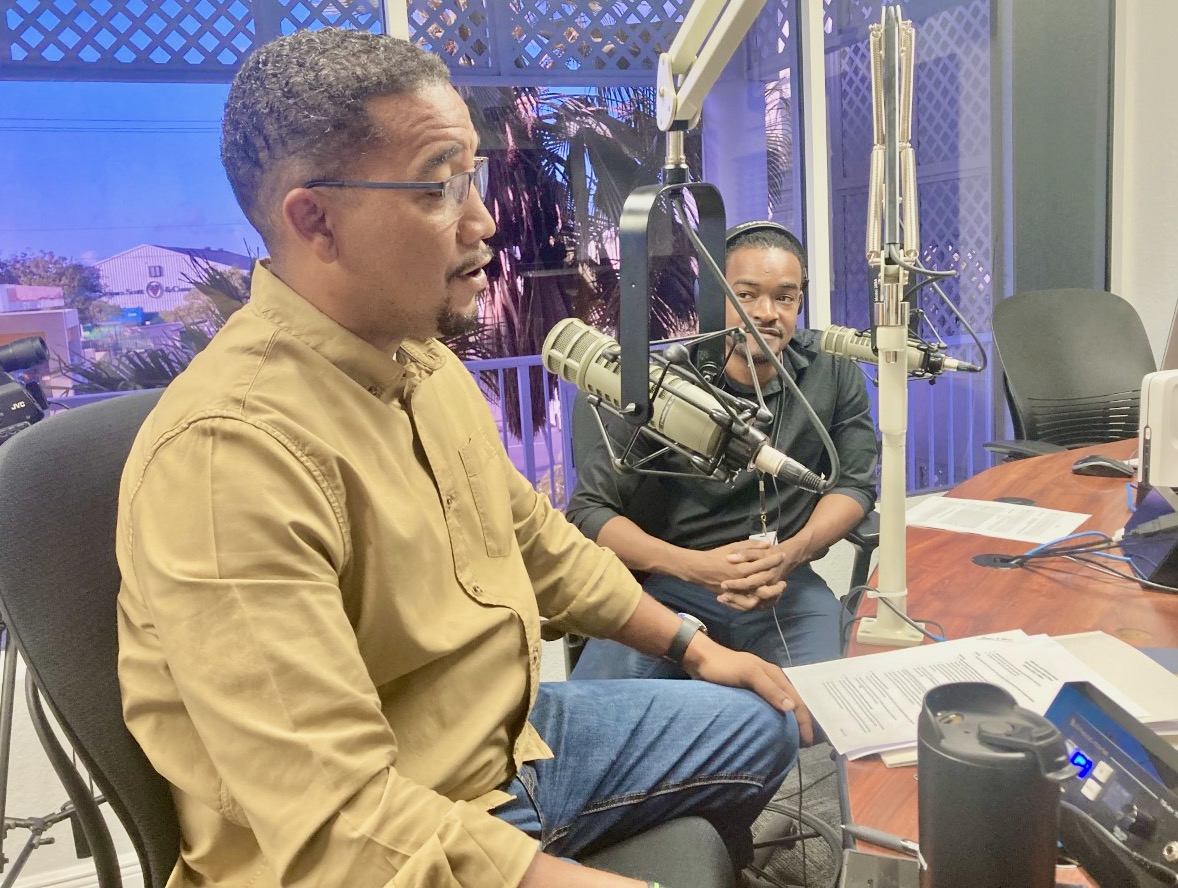
Minister Kenneth Bryan said government is prepared to subsidise a public bus system in an effort to help get cars off the roads.
He said the consultants would come up with a comprehensive long term strategy for transport. And he believes that will inevitably involve a public-private partnership, to create a bus system that runs on-time and on-schedule, regardless of how many passengers want to use it.
“Right now we don’t have a reliable system,” he said.
“You can’t account for exactly when the bus is going to be there, where it’s going to pick you up. You can’t say I’m going to get to work on time and not lose my job because the bus is going to come.”
Speaking on the Compass and Rooster 101’s ‘Beyond The Headlines’ news review show on Friday, 4 March, he said the solution would likely involve government partnering with the private sector or taking over responsibility for bus routes themselves.
Listen: Kenneth Bryan on ‘Beyond The Headlines’
Tourism Minister Kenneth Bryan joined Elizabeth Charles, James Whittaker and Andrel Harris on Rooster FM on Friday, 4 March. Listen here:

He acknowledged this would come at a cost, but said it was also an investment in solving traffic issues without relying on continuously building new roads.
Public transport essential first step
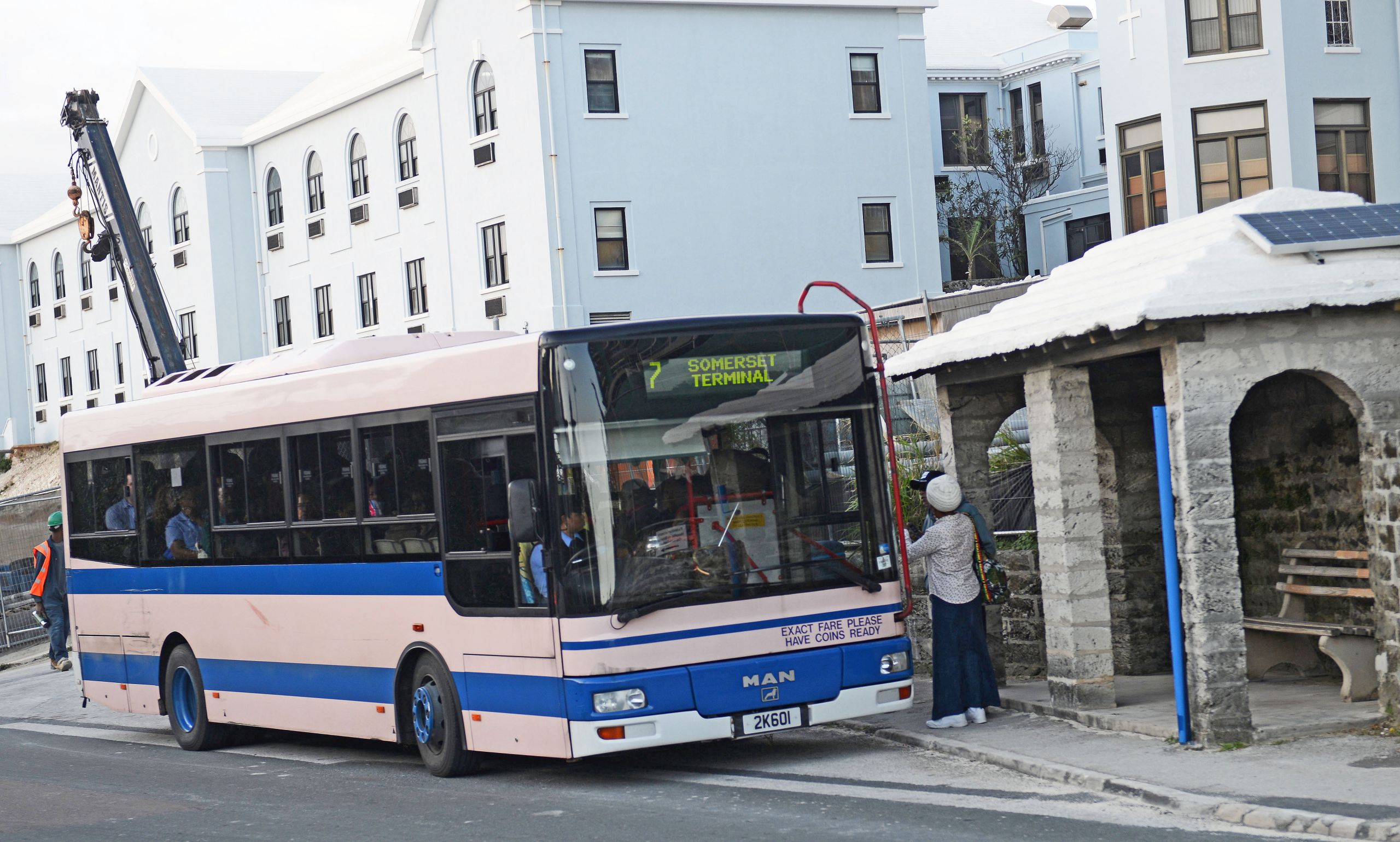
Bryan added that public transport was the first key step to bringing in further regulations to control traffic.
He said regulations – such a congestion charges or a Bermuda style policy restricting car ownership to one vehicle per household – could not be realistically considered until there was a viable alternative to ensure people could get to work.
He also cited locating offices in the eastern districts or encouraging work-from-home policies as more innovative ways of reducing cars on the road at key times.
Rush hour traffic in Cayman has been a growing problem for years. A journey from Bodden Town to George Town can take an hour in the morning or evening – more than three times what it would take in free-flowing traffic.
Bryan said previous governments had made poor decisions on this issue, leaving it to linger unresolved for too long.
He cautioned there would be no quick fix, but characterised the request for proposals on a public transport plan as the beginning of efforts to find the solutions Cayman needs. Even with a functioning public transport system, he said it would take time to build the user confidence needed to persuade people to ditch their cars.
“Until people feel comfortable enough to say, ‘I can do what I have to do every single day and I don’t need a car’, they will continue to buy a car and continue to drive a car,” he said.
“I can’t promise the people that you’re going to have an immediate effect on traffic. But I can promise that this government is going to try to fix this long-term problem that has been created by previous administrations, so that we can get the long-term benefits in the future.”
Cruise study
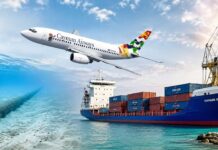
At the same time, Bryan’s ministry is going out to tender for consultants to help devise a long-term strategy for cruise tourism.
According to a request for proposals also published by the ministry, the winning bidder will be required to help government shape the future of the sector.
“The cruise industry is an economic driver for specific Caymanian owned businesses in watersports, retail, transport, and attractions. It is imperative to reshape the current approach to focus on quality, sustainably manage capacity, traveler traffic flow, and impact, as well as design new and innovative destination experiences,” the document states.
Bryan said the aim was to find the right balance that allowed Caymanian businesses and workers to get the maximum benefit from cruise tourism while ensuring the sector does not have a negative impact on the more lucrative stayover trade.
Related Videos









It isn’t a complicated issue: built underpasses or flyovers at ALT and Hurleys roundabouts; increase the fairbanks rd junction to 2 lanes as well as E/W artery all the way; and then install a diesel electric tram that runs all the way from Batabano to Bodden Town.
This isn’t rocket science.
Agreed.
The roundabouts at ALT and Hurleys breakdown because they can’t handle rush-hour traffic flow.
A cheaper solution is traffic lights control of these roundabouts at rush hour.
In fact there IS a not working traffic light at the end of South Sound Road entering the Hurley’s roundabout. So I assume the NRA are thinking about this.
Of course those silly red poles at the roundabout do nothing to help.
My experience in Vancouver Canada is build it and they will come. A reliable on time transit system is at or near capacity shortly after service is introduced. Run larger busses or trains between hubs and keep the smaller van style buses to bring people to and from these hubs. Keep it reasonable and maybe even free Seven mile beach through George Town to Hurley’s in South Sound. As a stay over tourist a bus system would mean I would not need a car.
Like the East-West Arterial road – too little, too late. More expensive and slow “consultants” – I cannot understand what has taken NRA managing director Edward Howard so long to even get out an Environmental Impact Assessment consultancy bid! It has taken years. And who will ride a bus from East End when they know that due to NRA sloth the traffic will be such that the bus time of arrival into Georgetown cannot be predicted? Has anyone given thought to a monorail in the centre of the East-West highway? That would not be affected by traffic and would be less expensive than maintaining a fleet of buses. But that would take another 10 years of indecision…
If you are serious about solving at least some of the traffic, it must be mandatory that both public and private school kids go to school on a bus or at a minimum a mini-bus. Back in the old days almost all parents did some sort of car pooling and that was even when there wasn’t much traffic at all!