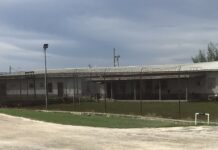
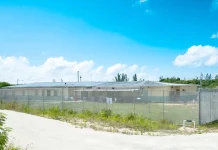
Cuban detainees are sleeping outside in makeshift tents to avoid being infected by a chickenpox outbreak sweeping through the Immigration Detention Centre.
Scores of migrants have moved their bedding outside amid fears that they will become infected.
Now, as they face a third night in a waterlogged camp, they are pleading with the government to intervene and create a safer environment at the crowded facility.
The concerns are understood to be at the root of tensions that flared between the detainees and guards at the secure facility last week. Customs and Border Control officials acknowledged a ‘tense situation’ had erupted Thursday but gave no details.
The Cubans say they simply moved outside to avoid getting sick.
“We’re still outside because we don’t want to go into that building. There are the sick people of chickenpox. We’d rather get wet in the rain than enter the building,” a Cuban man, who requested anonymity, told the Cayman Compass through a video message Saturday.
He said the rains during the day have left their mattresses soaked and now they have no choice but to sleep on the wet beds because they fear contracting the virus.

Chickenpox is now rampant among detained Cubans and those who are not infected say their pleas to the government to move them are falling on deaf ears.
“The government do not care…. they have not responded to our call for help,” another Cuban detainee told the Compass Saturday.
Customs and Border Control said in a statement Thursday that Public Health officials had advised “further segregating the population at the Detention Centre is no longer necessary at this stage as the virus runs its course”.
However, it added, “any migrants showing signs of illness are under the care of Public Health and treatment is being provided as necessary”.
Officials said Thursday there are 20 confirmed chickenpox cases among detained Cubans.
Just four of those are at the detention centre in George Town, according to the statement, while 16 Cubans held at the Gun Bay Civic Centre in East End are also infected.
Tensions at detention centre
Over at the IDC, the Cubans say they are trying to keep the peace, but there are some within their group who are annoyed by the lack of attention from officials.
The detainee who spoke with the Compass said there are members in the group that are trying to stop their upset compatriots from doing anything to aggravate the situation.
“We’re still here, a few moments ago it stopped raining. Nothing has happened yet. We have had no response from the government,” he said as the detainees face another night in their now waterlogged camps.
“We were being peaceful”
The Cubans staying at the Immigration Detention Centre also defended their actions on Wednesday night when they moved out of the facility into the open yard.
They said they only sought to protect themselves from rising chickenpox cases after government did not relocate them and were being peaceful.
Customs and Border Control, on Wednesday night however, reported that there was a “tense situation” at the detention centre but gave no details.
Through another video released to the Compass the detainees said they chose sleep outside the Fairbanks Road centre to be away from the people who are sick on the inside.



“What we have done has been peaceful,” a Cuban man, who shared the video said in the recording.
In the video the Cubans showed the conditions they are sleeping in which were stacks of mattresses under a makeshift tent.
“We just want an answer and not get sick with chickenpox. All of us who are here stay outside for that reason. We are all calm and peaceful. We ask the Lord to take care of us,” they said in the video.
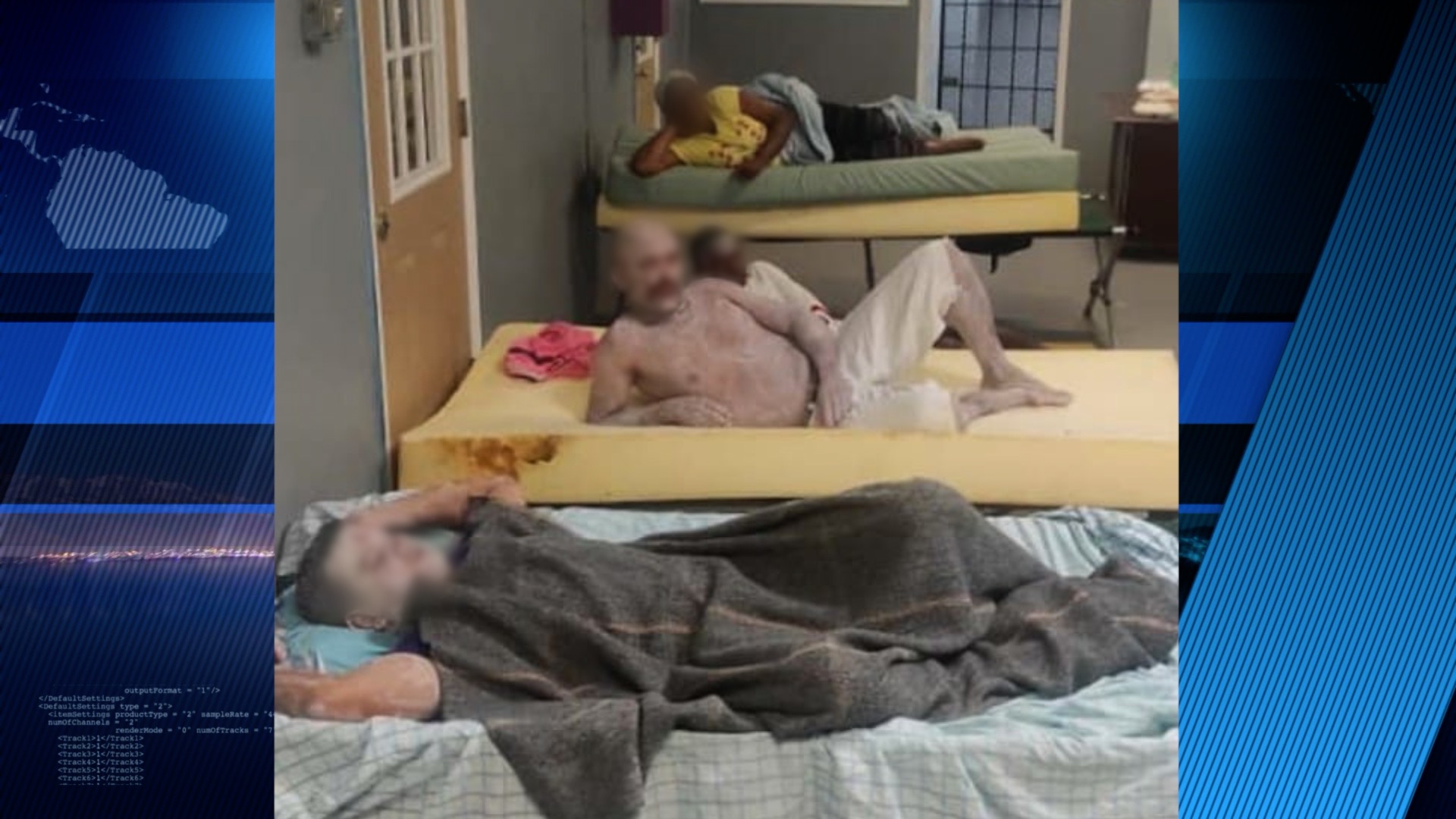
The video also showed the condition of the migrants being treated for chickenpox.
Many of them had bright red spots and what appeared to be medication covering their faces and torso.
* Additional reporting and translation by Alvaro Serey
Related Videos