Bullying remains an issue in local schools, but one group of teenage girls is on a mission of kindness to end girl on girl bullying and they are hoping it expands to all schools.
“[Bullying] is really detrimental to your mental health, and we wanted to touch so many girls’ lives with this campaign,” said Katie Ruddick, 14, an eighth grader at Cayman International School who, together with her friends, recently launched the Kind campaign.
It began as a project for the Core Extension module at the school, but became so much more.
It drew on the girls’ shared personal experiences with bullying, which is why Ruddick, Rhea Swaminathan, Emily Woolf, Ailey Finch, Maddie Arbo, Milanna Lamontagne and Alexandra Fletcher started the mission.
“We have been working to solve girl-against-girl bullying and crimes, which can be physical, verbal, cyber… any type of abuse. It’s a really big problem in the girl world. … We’ve seen it happen a lot in CIS community and we really want to change the CIS community for the better,” Ruddick said in a recent interview with the Cayman Compass.
Fletcher said she would like to see an actual law in place so kids can be protected from bullies, but until that is done, she hopes the Kind campaign can spread to other local schools.
“I think that would be really good for schools. I think, especially showing what happened when we did something like that, how it impacted the girls positively. I think that would be amazing for that to happen through all of Cayman,” she said.
The Ministry of Education, in a statement to the Compass on anti-bullying legislation, said it “continues to work along with the relevant parties to advance the amendment of the Education Law, 2016 to include the National Anti-bullying Policy and develop the Anti-bullying (Schools) Regulations as soon as possible”.
The Kind campaign encourages open dialogue and creates a safe platform for girls to talk about their experiences and the impact of bullying, and to pledge to be kinder to one other.
Personal experience propels campaign
Ruddick said she looked back at her own encounters with bullying and wanted to do something about it. With help from teacher Emily Paton, they found the Kind campaign, founded by Lauren Paul and Molly Thompson.
She said the girls reached out to Paul and Thompson and received materials to help their campaign.
“We worked on certain aspects… on apologies, we worked on getting our feelings out in kind ways, and also communicating to other girls kindly,” she said.
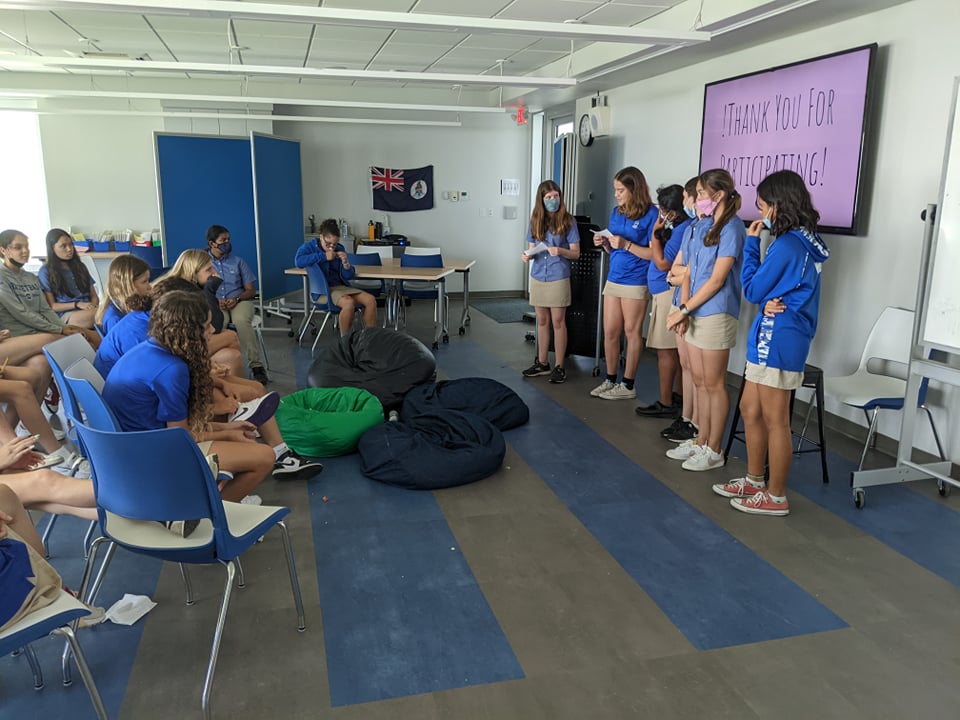
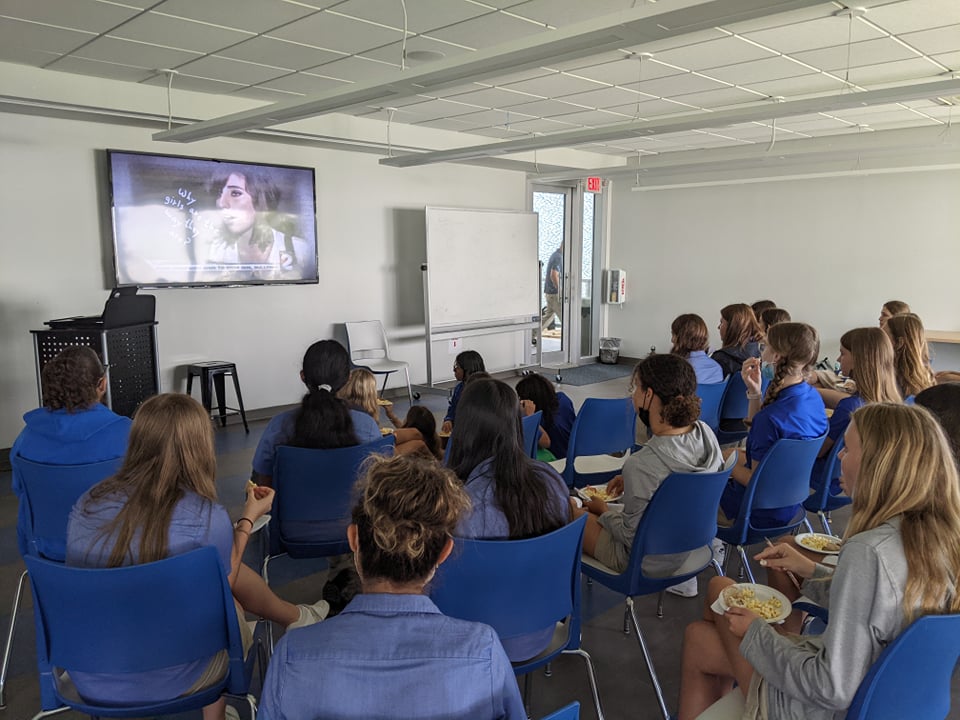
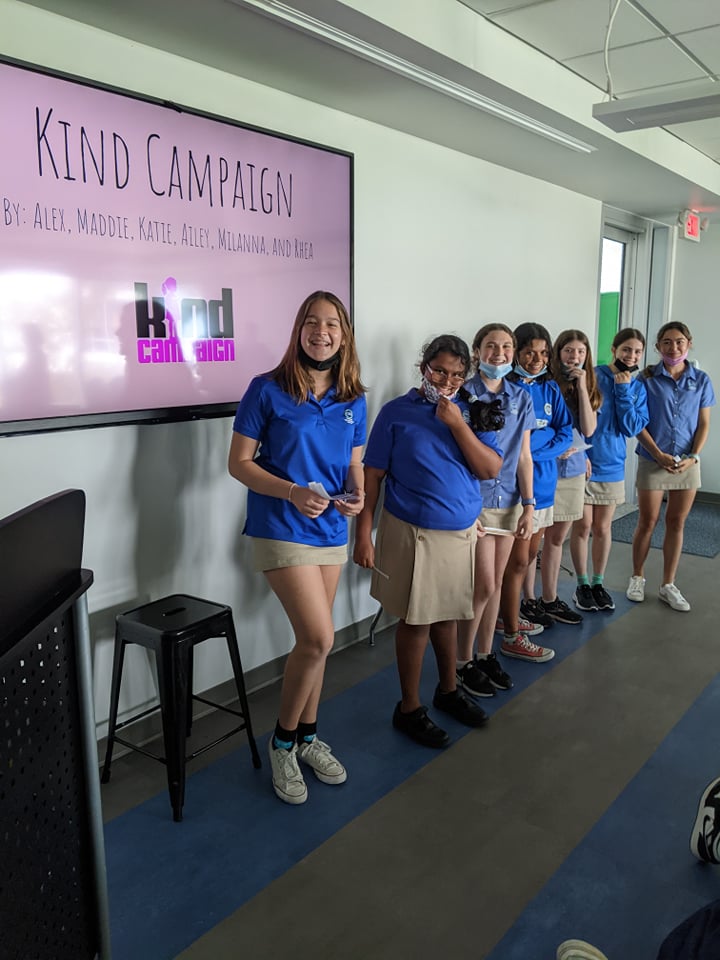
Swaminathan said initially they were looking at mental health issues, but bullying also encompassed that issue so they decided to pursue the project.
They hosted an all-female assembly in which girls openly talked about bullying and its impact. They also played a documentary on the issue.
“I didn’t know how many apologies needed to be given. I thought that we would just be laughing and having fun, but actually it was really emotional for everyone. I saw a lot of hugging and a lot of tears, so that’s how it impacted and I think that it’s really inspired some girls being nicer to each other,” she said.
Arbo said, as they researched the topic, it also became a journey of self discovery, enabling her to understand what had happened in the past and helped her and other to heal.
“When I was in elementary, I’d experienced bullying, mentally and verbally and physically. It’s just so amazing to see the change that we have made in our grade, and possibly even school, because that was really hard for many of us to go through when we were younger. Now so many of our friendships have been rekindled and made up and it’s helped us a lot,” she said.
Woolf said she liked the idea of apology slips, where the girls wrote an apology to whomever they thought deserved one, and either delivered it or kept it to themselves.
They were also allowed to tear the slips up, she said, with the idea being that they were finally letting go of something internal that they held onto for a long time.
Lamontagne said, given the success they had seen with the Kind project in their school, they would like it grow in other schools to make the student experience a better one.
“Bullying between girls can cause lots of trauma and sadness, like depression, anxiety, all kinds of things, so it’s really important that girls are able to forgive each other and have happy relationships, so that this doesn’t happen,” she said.
It’s an effective way to deal with conflict resolution as well, she said, and should not be limited to girls only.
Teacher Paton welcomed the initiative from the students, saying it was “really exciting to watch it all unfold”, and she was proud of the girls.
“It was really impactful,” she said. “There were hugs and tears and genuine apologies and kids owning up to stuff that they’d done, or maybe that they’d felt, that just seemed really real. Where for me, as a teacher, I was stuck thinking, ‘Man, I feel like so many of my adult friends and I would love to do something like this.’ There’s so much that can go unsaid and this assembly really let them put it all out there in a safe way.”
For Finch, there’s one message she wanted everyone to take away from their project. “Just be careful what you say, and if you feel hurt by something, do tell the person because they’ll often [apologise and say] they didn’t realise that what they said actually hurt you.”
Related Videos