
There are few corporate presentations today about the future of technology that conclude without a reference to the metaverse.
Tech behemoth Facebook even rebranded to Meta, focusing most of its long-term development investments on the metaverse and technology that enables it.
Jennifer Vessels, CEO of Next Step, believes the metaverse is “an opportunity to explore a whole new way of doing things”.
Speaking at the Cayman Islands Digital Economy Conference, CYDEC, in June, Vessels described it as the next evolution of the internet and how technology continues to be integrated into everyone’s life.
But what is it and why is big tech betting on it?
A new version of the internet
The metaverse is often defined as a collective virtual open space that is based on the convergence of virtually-enhanced physical and digital realities.
Meta’s Mark Zuckerberg says it is a virtual environment where you can be present with other people in digital spaces.
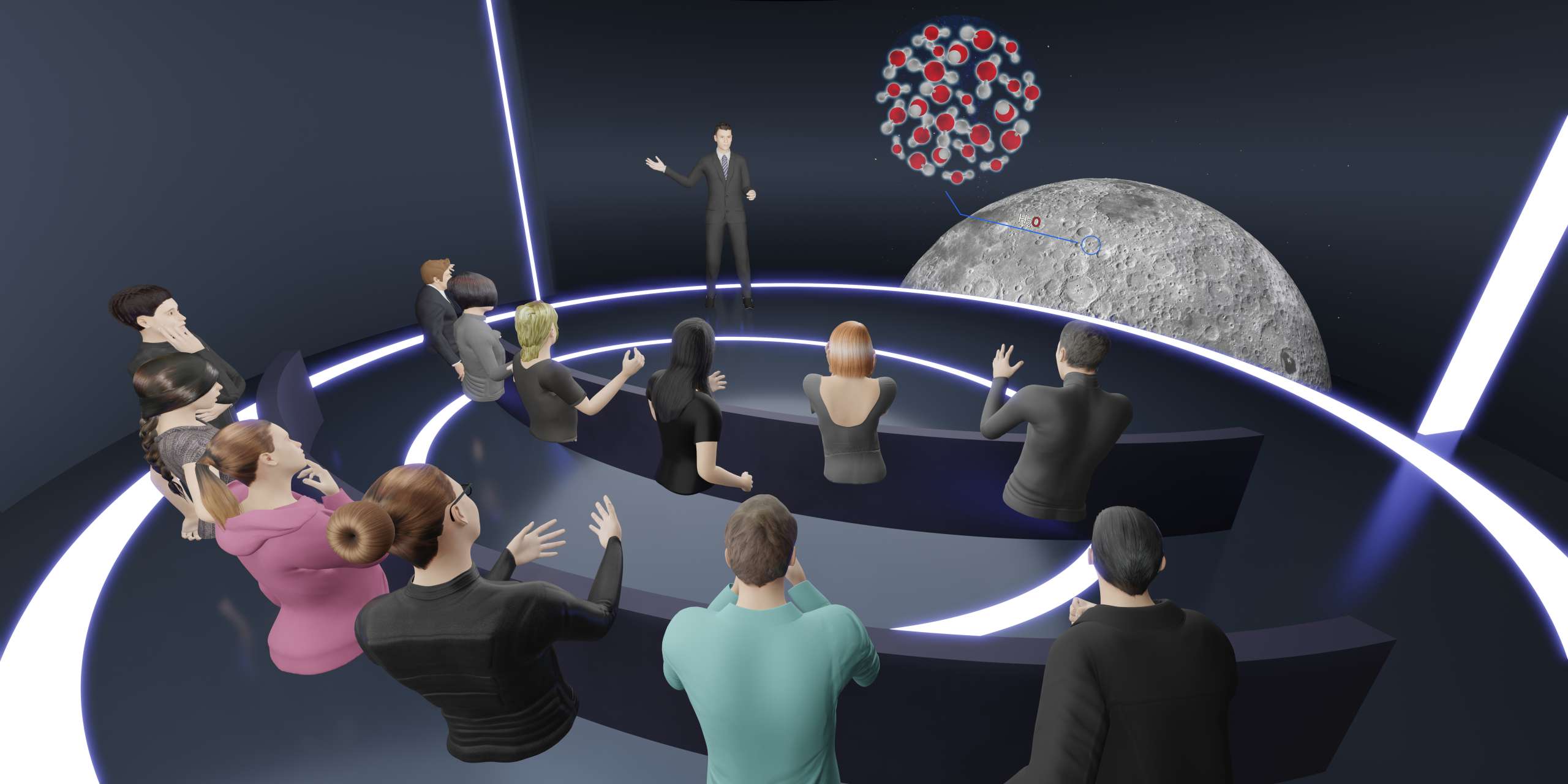
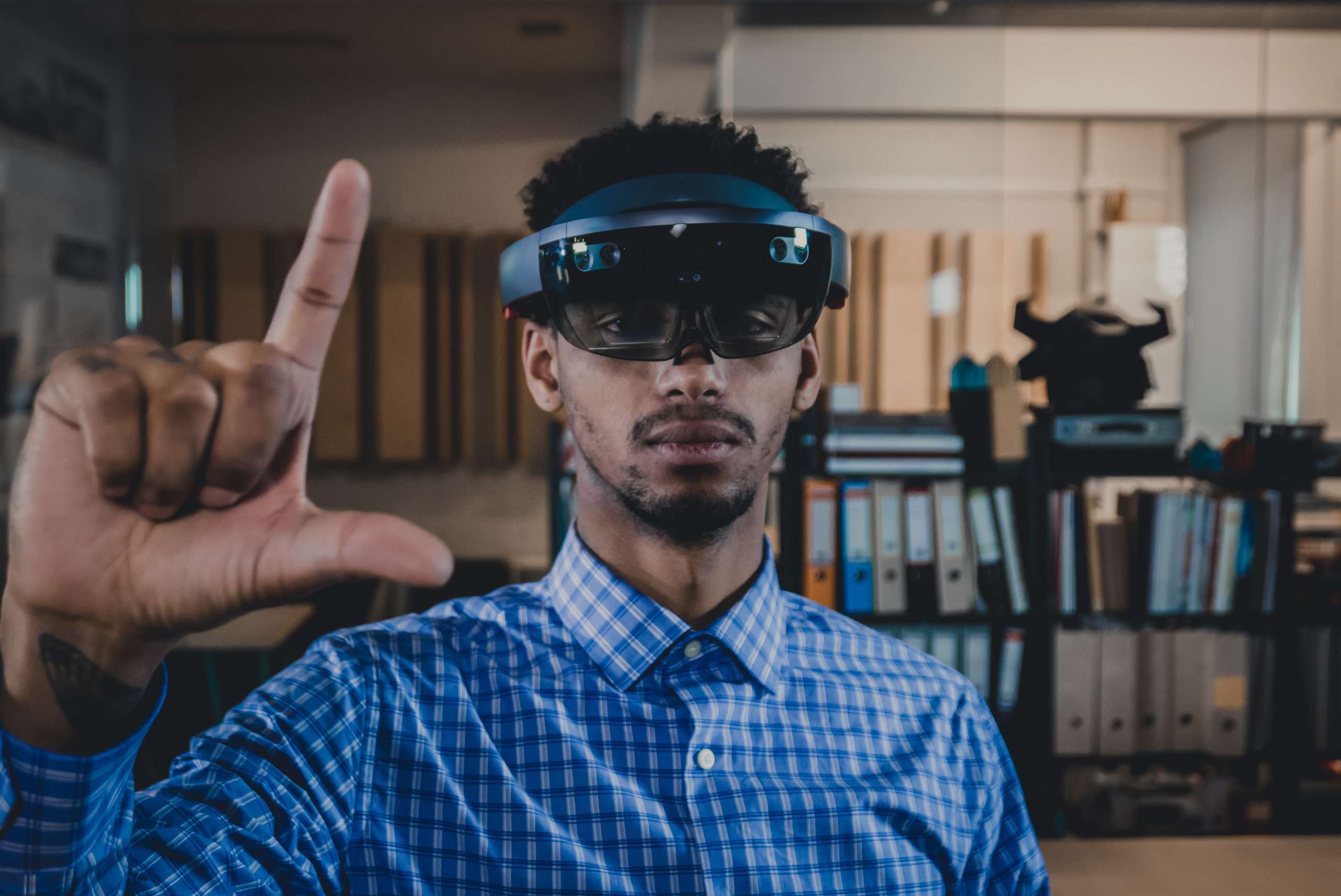
Users can be active in this three-dimensional rendered space, for example using virtual reality headsets. Or, by adding layers of virtual content over the real world with augmented reality glasses, the experience is made more immersive than traditional 2D web applications.
In this virtual world, users are represented by avatars.
In Zuckerberg’s plans, “Avatars will be as common as profile pictures today, but instead of a static image they are going to be living 3D representations of you.”
If this sounds more like a computer game, that’s because 3D online gaming is where the first primitive forms of what the metaverse could become are already present.
But the idea of the metaverse goes beyond that, by building a virtual representation of everything that can be done on the internet today and replicating other aspects of the real world.
While the internet in its current form is mainly helping facilitate experiences in the physical world, the metaverse will be about enabling digital-world experiences.
The vision is that of a virtual world that continues to exist and evolve as users come and go, with communities of people sharing their experiences, like socialising with friends or attending a virtual music event. It will have a fully-fledged economy where participants can earn and spend both digital and fiat currencies.
In the metaverse, it will be possible to buy land, construct digital homes and purchase other digital items and services.
Innovation and wider tech adoption needed
To become a reality, the metaverse will need a combination of innovations and technologies to take off and achieve wider adoption.
Augmented reality, head-mounted displays, the Internet of Things, 5G, artificial intelligence and spatial technologies will all be needed to create an immersive, connected experience.
So far, virtual reality headsets are in the early stages of market and user adoption. Sales of head-mounted displays in Cayman are rising and earlier this year, the Matrix VR Entertainment Center opened its doors on Seven Mile Beach at the West Shore Centre.
The Matrix offers hundreds of different virtual reality experiences, from driving games to roller coasters, and travel and nature experiences, via wireless headsets in dedicated spaces.
Many expect it is the logical next step as a media platform.
For Vessels, the arrival of the iPhone in 2007 shifted the entire global mindset.
In the past 15 years, she said, “we shifted from using technology to ultimately integrating technology into all parts of our being.”
Whether it is greater connectivity with families and friends, online shopping, planning or creating, anything can be done virtually today.
Vessels noted that, especially during the pandemic, digital technology developed more quickly and its acceptance grew significantly as people became accustomed to comfortable, easy access to work applications and people from around the world.
“We don’t have to wait until we go somewhere for that business meeting or that coffee. We can connect virtually and this is better ultimately for the environment. Plus with the rules of gaming, it feels more immersive when we’re doing it in a way that gives us flexibility.”
She said the metaverse is expected in a lot of areas to be “the future of how we as a society can evolve into a life that is blending technology and humanity”.
It shifts from Web 1.0 where people get together via Zoom or Teams, to a virtual reality environment that feels more natural and real, Vessels said.
In addition to being a new meeting place, applications include, for example, digital twinning of industrial infrastructure, which allows engineers to control oil platforms or manufacturing plants remotely through a digital copy of the physical system. It could also change the delivery of healthcare and education.
More than just virtual reality
The key idea is that the metaverse can be accessed from anywhere through any device, yet it will generally be more immersive than just looking at a screen.
Ultimately, those envisioning this brave new world hope it will go beyond the virtual reality available through head-mounted displays and encompass touch via haptic body suits, omnidirectional treadmills or wristbands that enable users to manipulate the digital space through electro-stimulation.
“Metaverse will allow people to replicate or enhance their physical activities. This could happen by transporting or extending physical activities to a virtual world or by transforming the physical one,” writes Marty Resnick, VP Analyst at Gartner.
The research firm said in March it expects that, by 2026, a quarter of all people will spend at least one hour a day in the metaverse doing things like shopping, studying and working.
Resnick says, “To understand the concepts of a metaverse, think of it as the next version of the Internet, which started as individual bulletin boards and independent online destinations. Eventually these destinations became sites on a virtual shared space — similar to how a metaverse will develop.”
For tech giants, this new form of the internet is a massive opportunity to make money.
Meta, for instance is planning take a significant cut of all the digital assets sold on its platform. Zuckerberg told CNBC’s Mad Money that, by the end of the decade, he expects 1 billion users of the metaverse to each spend “hundreds of dollars” a year on various virtual asset products.
And just like commerce adopted the World Wide Web, every business is expected to have a footprint in this new virtual economy, where digital currencies and non-fungible tokens are the preferred payment method or medium of exchange.
Privacy concerns worse than for social media
So far there are only early forms of metaverses, with limited functionality.
Some believe the most successful ones will be based on decentralised, open architecture platforms underpinned by blockchain technology, where no single entity has the power to alter the rules of the virtual world’s software.
Vessels argued this will give users control over their data, because there are already serious concerns about the security and use of private data on the internet platforms built and controlled by big tech companies.
Virtual reality pioneer Louis Rosenberg, the CEO of Unanimous AI, warned delegates at EuroConsumers 2022 this year, that metaverse platforms will gain extreme power over consumers from “monitoring and manipulating all aspect of our lives at a level that no other technology has so far enabled”.
Rosenberg defines the metaverse as a societal transformation from flat media viewed in the third person to immersive media experienced in the first person. “In other words, it’s a transition where users go from observers on the outside to participants on the inside.”
While social media companies monitor and profile users, tracking where they click, what they buy and who their friends are, Rosenberg said, in the metaverse this will go much further, tracking where users go, what they do, what they look at and for how long. They will monitor facial expressions, vocal inflection and vital signs, respiration rate, pupil dilation and galvanic skin response.
All the problems that social media have created in terms of creating echo chambers, driving misinformation and targeted advertising will only be amplified by the metaverse, Rosenberg said, “because the whole point of VR and AR is to fool the senses”.
That means manipulation will take the form of immersive experiences or AI controlled avatars.
Rosenberg believes that, over the next 10 years, the metaverse will transform society and affect everyone’s life.
“[This] means the time is now to think about metaverse, regulation, and other proactive things we can do to make sure that the metaverse is safe as we go through this transition from the flat media to immersive media of tomorrow,” he said.
Related Videos