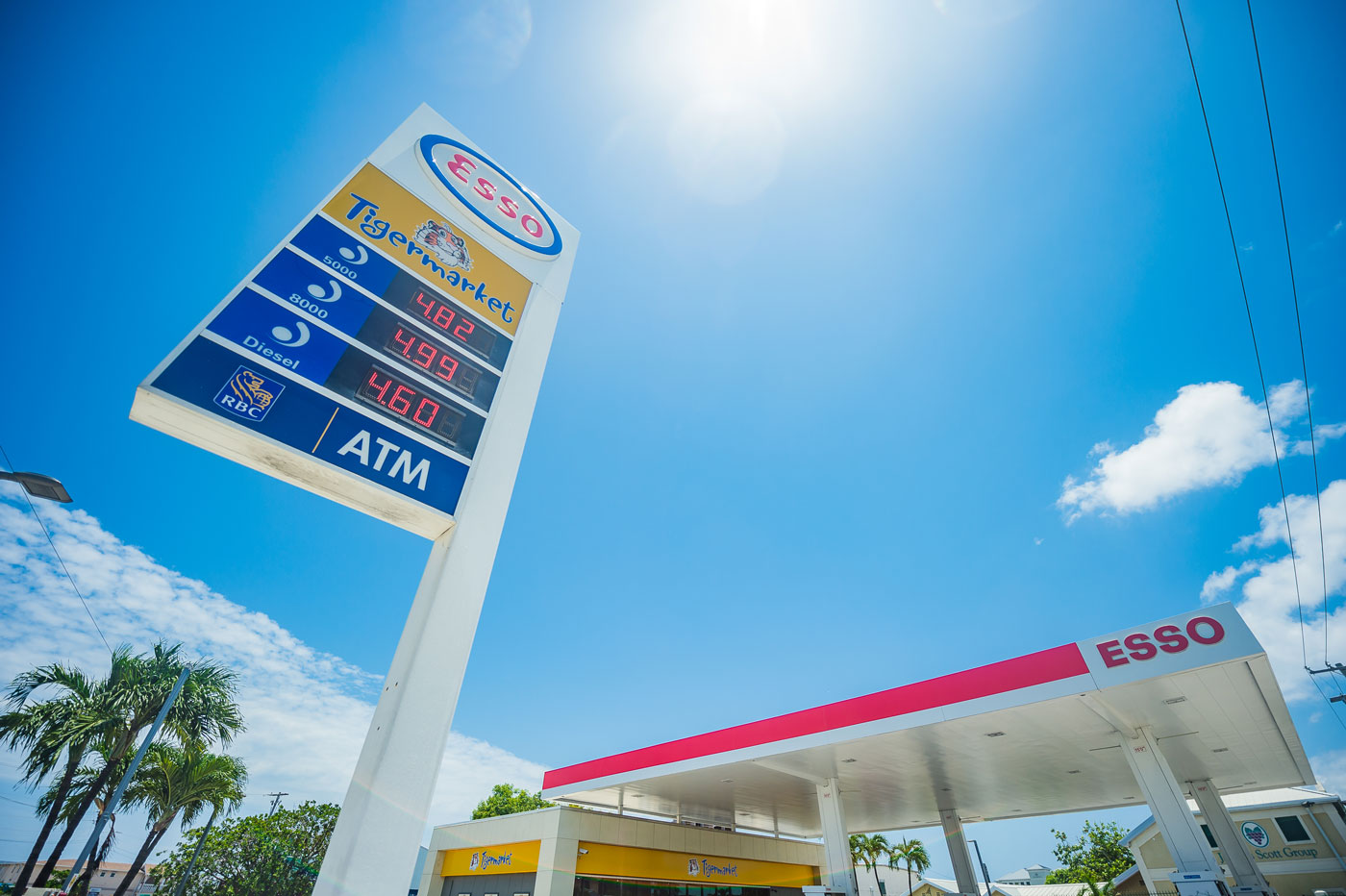
With pump prices hitting unprecedented highs of $7 a gallon, regulators insist Cayman motorists are not being “ripped off”.
It now costs about $80 to fill an average sized SUV – almost double the price in 2020 when fuel cost $3.90 a gallon.
But OfReg believes the increase is exclusively down to factors beyond Cayman’s control – specifically the global spike in oil prices.
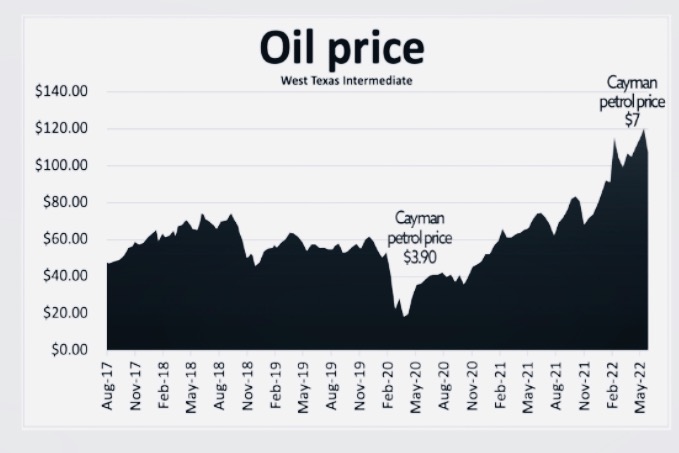
Increases in Cayman are on a par with elsewhere and there is no evidence of price gouging either from wholesalers or from local retailers, according to OfReg.
The regulator is proposing legislative amendments that would override a commercial sensitivity waiver that currently prevents the public from seeing the price that Sol and Rubis pay for fuel.
Duke Munroe, head of OfReg’s fuels division, said his staff have seen those numbers, however, and are confident that there is no issue.
He urged the public to “trust us”, saying OfReg had been allowed access to the figures as part of its duty to represent the customer.

“What we are doing is based on a legal mandate to ensure that the price [of fuel] that comes in is being verified and it is passed on to the public based on proportionate increases,” he said. “We have been doing that.”
He said there was no evidence of collusion between the two major fuel importers over pricing.
Nonetheless, in the interests of transparency, he said OfReg is pushing for changes that will require importers to declare the price range at which they purchased fuel, where they purchased it and to report any changes.
There is an additional layer of complexity in that Cayman’s monthly fuel requirement is too small to be sourced direct from the refinery. Buyers purchase much larger quantities which they store, ship and supply across the region.
Cayman is just one aspect of that network, and OfReg points out that prices here are around par for the Caribbean.
Related Videos