
The importance of reliable data on the prevalence of diseases and risks in formulating healthcare plans and strategies, as well as in promoting disease prevention, was a running theme throughout Cayman’s latest National Healthcare Conference.
From FitBits and Apple watches to nationwide registries for cancer and other non-communicable diseases, there is a slew of data in the community that, when gathered and analysed, can inform decisions on healthcare delivery and disease prevention, several speakers at the three-day forum pointed out.
Speaking at the first day of the conference, on 20 Oct., Rachel Corbett, Cayman’s national epidemiologist with the Ministry of Health and Wellness, highlighted the importance of registries for non-communicable diseases in tracking the prevalence of diabetes, cardiovascular conditions, kidney diseases, and others, and says a new registry for these is under way for Health Services Authority patients.
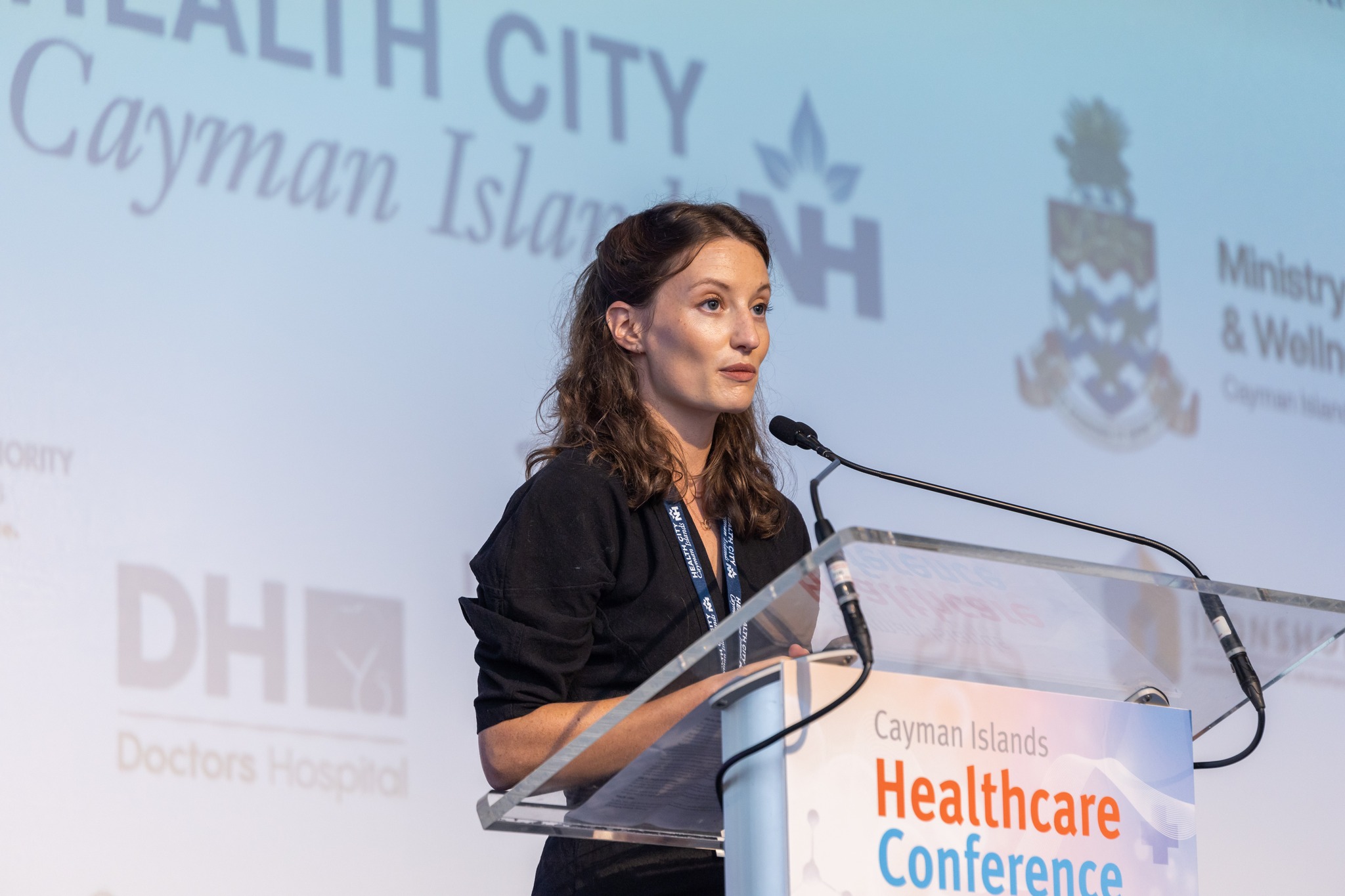
There is already a cancer registry on island, established more than a decade ago, but reporting is voluntary. This year, 86 people were added to the registry, but Corbett said it’s likely this is an underestimation of the real number of new cases. “If we don’t capture all cancer patients in the Cayman Islands on the registry, we are unable to say what the prevalence or incidence is,” she said.
Corbett noted, however, that surveys over the years have cast light on key indicators for health locally. One carried out by the National Drug Council looked at mental health issues among children, and the 2012 STEPS survey gave insight into health risks such as tobacco and alcohol use, diet, elevated blood pressure and family history of non-communicable diseases. She said another STEPS survey is in the works for next year to get updated data.
A decade ago, the STEPS survey, organised by the World Health Organization, showed that 15% of people surveyed in Cayman were smokers, 70% were overweight, 37% were obese, 26% were on medication for high blood pressure, and 54% did not engage in vigorous exercise.
Last year’s census was also a source of information for risk factors as it included questions on health matters, such as disabilities and diabetes. The Health Service Authority keeps a database of the prevalence of diseases seen by physicians who work in the public health system.
The HSA also gathers statistics on diseases that its public health sector physicians see, but the collection of data on most conditions and diseases locally is not very comprehensive as it often does not include statistics from private sector health providers. According to the HSA data, the leading cause of death in Cayman is circulatory disease, followed by cancer, respiratory disease and, lastly, external causes such as car accidents.

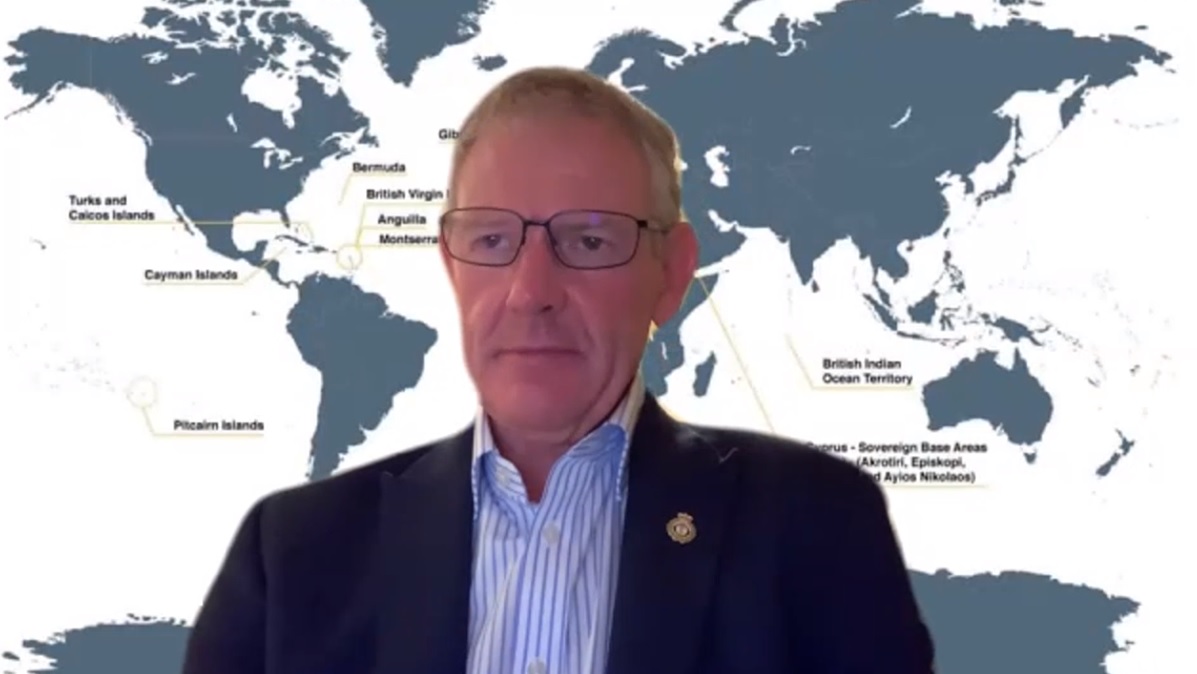
Data collection on a more personal level is also impacting how doctors are treating patients, Professor Ian Cumming, the UK ambassador for healthcare to the British Overseas Territories, explained in his presentation on global challenges for healthcare, via Zoom.
He said many patients nowadays are well versed on their own conditions, using the internet and online support groups to do research and compare notes on symptoms and treatments with other sufferers.
“Patients often have as much knowledge about their particular condition as their physician. They have access to expertise worldwide,” Cumming said.
He pointed out that the vast majority of patients now want to be involved in their care decisions, and are more likely to join Facebook groups for people around the world with similar illnesses, so when they see their doctor, they often have specific questions on treatments and medications, based on the global feedback in their group.
There has also been a huge uptick in recent years in the use of wearable devices, like FitBits and Apple watches, and associated apps can track heart rates, sleep patterns, and a variety of other elements that can aid in disease surveillance. Cumming said healthcare apps are predicted to triple to 150 million in the coming years.
He said one of the challenges Cayman and other jurisdictions face is how to train staff to respond “to the whole person, not just one disease or specialty”.
As Cayman’s healthcare system operates on an insurance model, where the government subsidises national insurance company CINICO, Cumming warned there is not a “bottomless” supply of public money to pay for healthcare, so prevention of disease is more important than ever – and using available data on lifestyles and risk is vital to that.
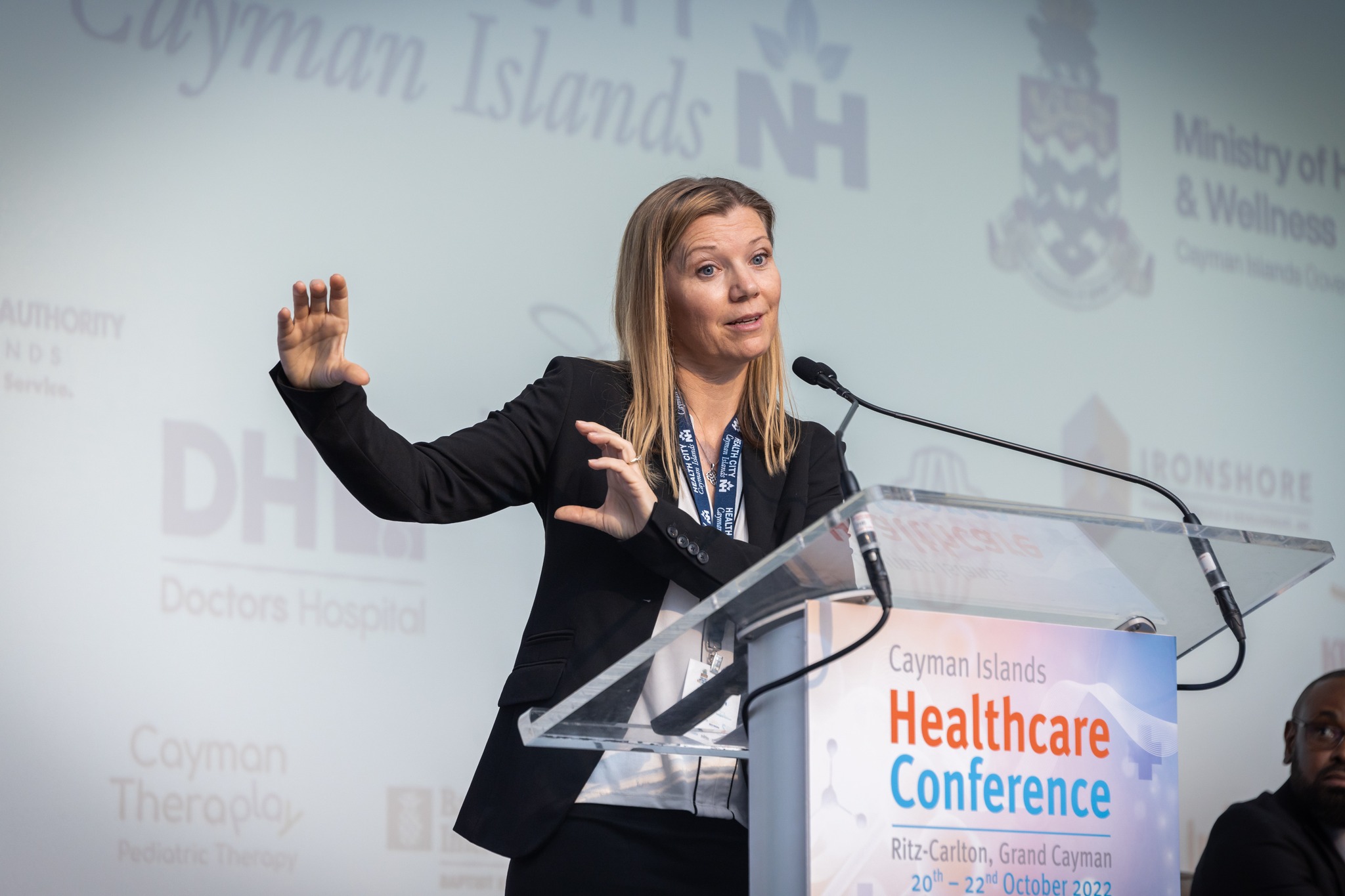
This was echoed by Fiona McDougall, owner and director of Healthy Futures Ltd., in her presentation on the demographic and socio-economic factors that increase the risk of developing chronic diseases.
She highlighted the importance of leveraging technology to help prevent disease, and using data from chronic-disease registries to inform healthcare approaches.
But she acknowledged that using such data to promote lifestyle changes as a preventative method isn’t always easy.
She delivered a snapshot of how, as inflation rises, the prices of healthy food, like fresh fruit and vegetables, are increasing rapidly, while the price of processed unhealthy food has remained the same – making it hard for some people who want to choose healthy options to do so.
“It is difficult to say ‘let’s just modify behaviour on what you choose to eat’ when you are limited with your funds and dealing with the economic situation of the last few years,” she said.
Hundreds of healthcare professionals each day attended the conference held at The Ritz-Carlton on 20-22 Oct.
Related Videos