

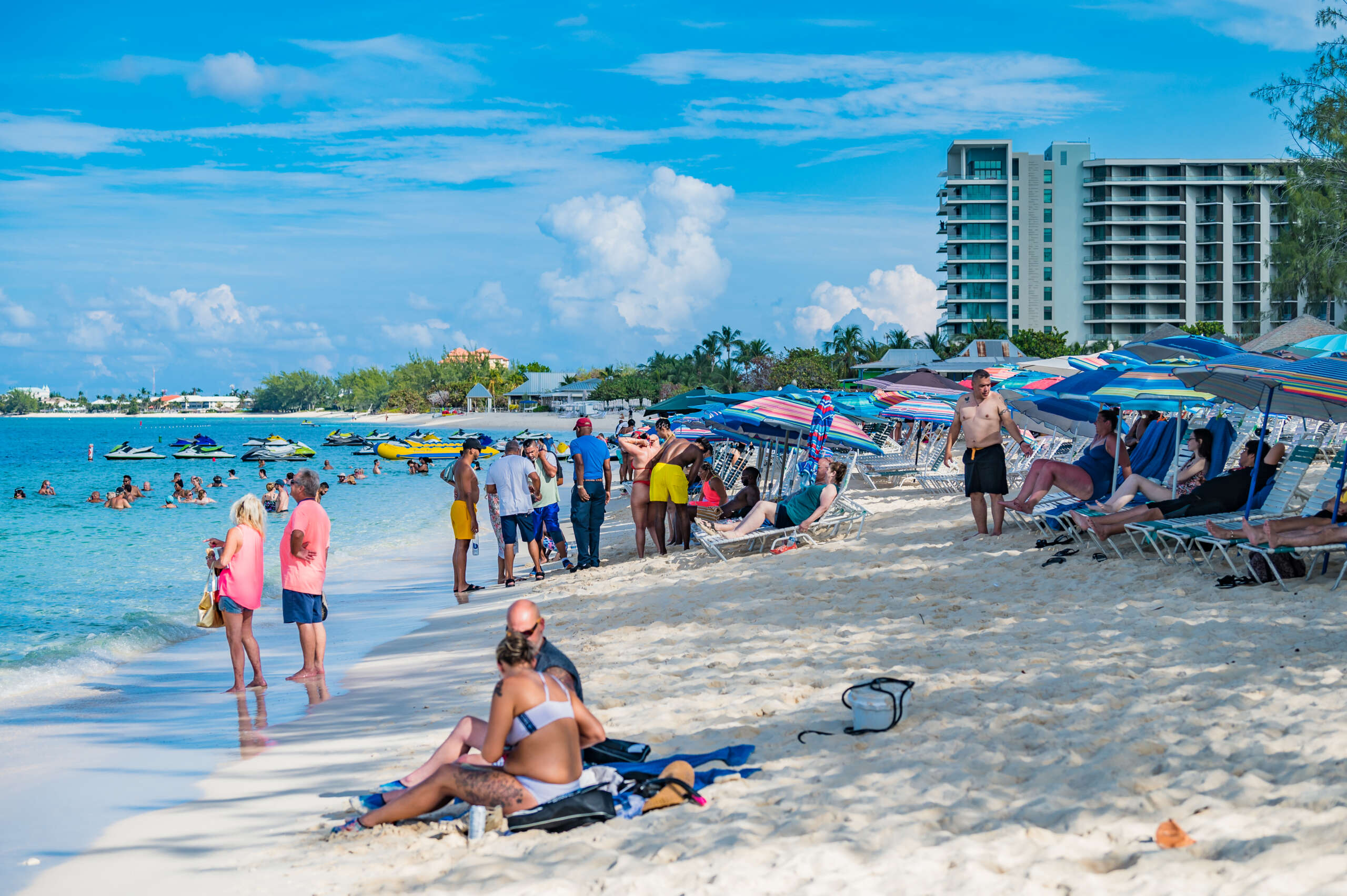
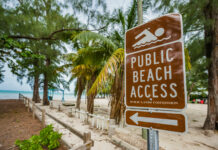
A long-awaited policy for issuing permits to vendors on Public Beach should be in place by early next year, government officials claimed Thursday.
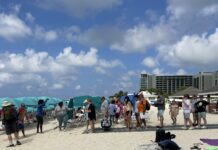
The situation at the beach, perhaps Cayman’s primary tourist attraction, has got out of control with scores of operators vying for trade from cruise passengers arriving on buses from the port.
Allegations of illicit alcohol sales and unlicensed trading persist while a ‘vendor village’ of miniature huts lies empty and unused.
Now government says it will issue a limited number of licences to qualifying traders to allow them to operate at the site on Seven Mile Beach, providing they meet certain conditions.
A policy has been submitted to Cabinet for approval and should be in place next year.
Wilbur Welcome, chief officer in the Ministry of Lands, told the Compass, Thursday, that officials had “worked feverishly” to draft a policy regulating commercial activity at the beach.
“Once approved by Cabinet and implemented, the policy will provide specifics on number and types of vendors, location of vendors, location of beach chairs, as well as quantum of time a vendor can operate at the location,” he said in an emailed response to questions from the Compass.
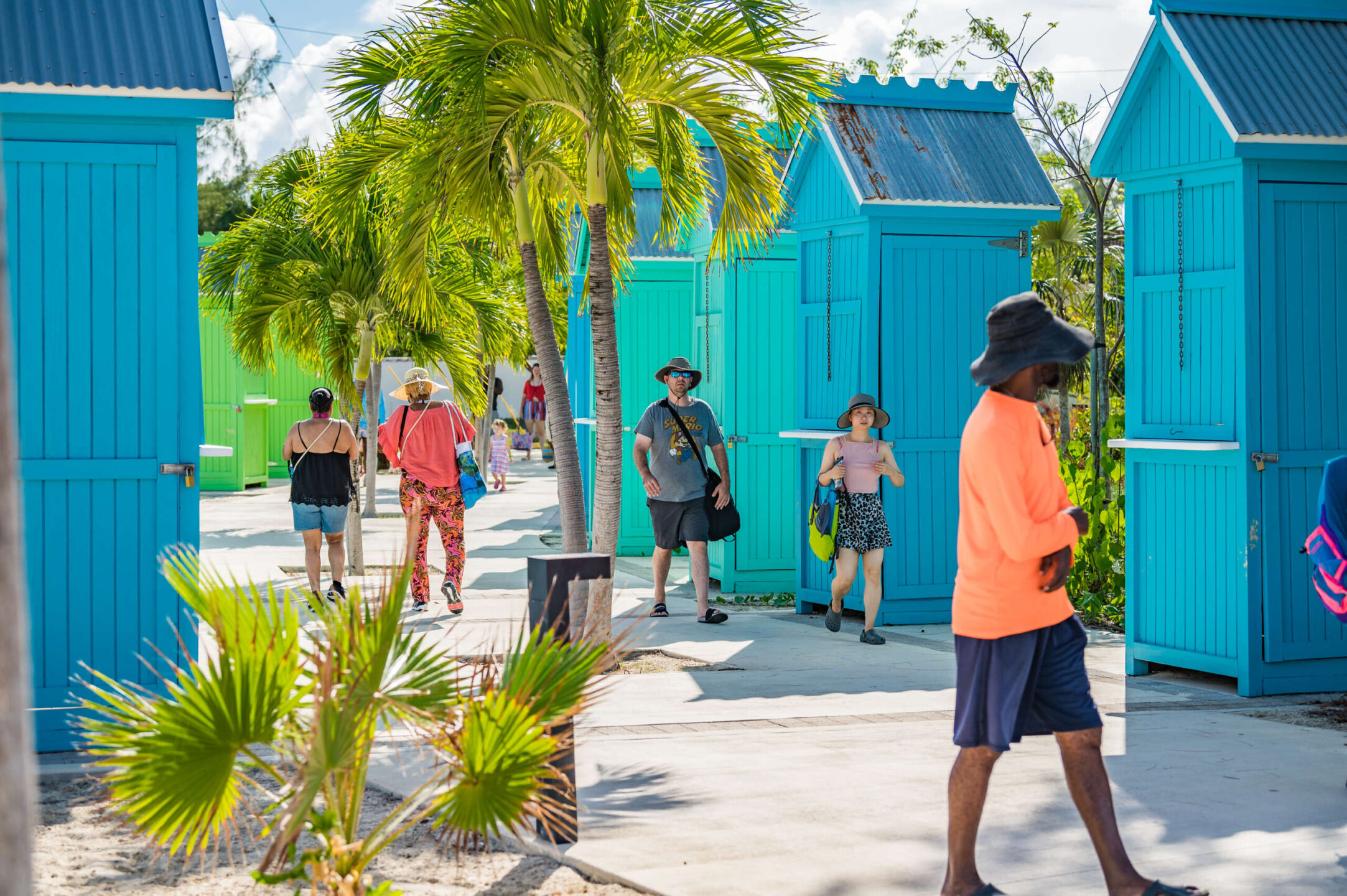
Government had previously indicated it intended to authorise, license and control trade at the beach. The Public Lands Act, passed in 2017 and enacted in 2020, created the means for vendor permits to be issued.
But, as of last week when the Compass visited the site to report on the thriving, unlicensed trade taking place, no-one had been granted an official permit to be there.
Our report revealed that traders – ranging from jet-ski, snorkel and deckchair rentals to jerk chicken stands and souvenir and t-shirt stalls – had returned to the beach in droves. We also reported allegations of illicit alcohol sales, harassment of tourists and drug use at the beach.
A handful of vendors are understood to have authorisation to be there from the previous government, but many are not, and no one is officially licensed.
Vendors told the Compass they provide a much-needed service to tourists amid the decline and closure of numerous beach bars, including Royal Palms and Calico Jack’s.
Hands-off approach
Welcome said he empathised with people who had complained about the situation at the beach.
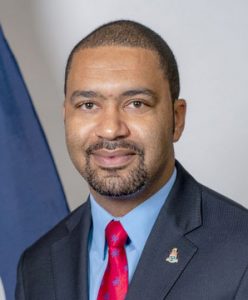
And he insisted the Public Lands Commission was working to create a regime that would bring the situation under control without impacting the rights of legitimate businesses to make a living.
For now, while the Department of Commerce and Investment and the police may investigate allegations of liquor sales and drug use, the commission and its inspectors are taking a hands-off approach on the licensing issue.
Welcome acknowledged that the licensing policy had taken considerable time to implement, saying “significant stakeholder input” was sought. He said the aim was to have it approved by Cabinet this month and the first permits issued by January.
“Since the COVID-19 pandemic, many Caymanians have awaited the re-opening of tourism to restart business opportunities,” he said.
“At present, there are no vendor permits issued for Seven Mile Public Beach; however, while the policy is being finalized and implemented, it wouldn’t be prudent to stop Caymanians from earning an honest living as they await vendor permits to be issued.”
Addressing concerns that many of the vendors are operating on the beach and in the public cabanas, rather than in the huts provided, Welcome said the new policy would designate which areas each vendor could operate in, as well as the type and quantity of vendors in each sector.
He said inspectors would take a more hands-on approach once the policy is in place.
“Following the COVID pandemic, no legal action has been taken as yet as we are implementing a policy that will provide vendors with an appropriate and just mechanism to apply to operate at the location,” he said.
Any issues around insurance, for watersports operators, for example, are outside the remit of the Public Lands Commission, and any disputes or claims over accidents would be a civil matter, Welcome said.
He acknowledged complaints that the beach was currently a bad advertisement for Cayman tourism, but insisted that things would change with the new licensing policy.
“We empathize with this sentiment,” he said, “and are actively working to implement and enforce the new policy which would enhance visitor experiences at the Seven Mile Beach.”
Related Videos










The officials in this article appear to be very keen to cater to the needs of the beach vendors by providing vendors with “an appropriate and just mechanism to apply to operate at the location”, but which official is really committed to taking on the responsibility to care of the rights, needs, and safety of the general public who have been using that beach – many of us for generations?
Cayman Compass, please inquire and report on whether the policy and the enforcement will also include the following:
1. Ample space and a clearly marked commercial-free zone for those of us who live on the island, so that we can continue going to the SMB Public Beach and enjoying spending time there without having to be crowded in next to rental chairs (and without being solicited by the beach vendors).
2. A clearly marked watersports operations zone on the beach, within the commercial zone, and a clearly marked channel with appropriate speed restrictions for the watercraft to travel between the beach and the deep water out beyond the speed-restricted zone.
3. Enforcement of these zones to protect against commercial activities and watercraft activities taking place outside of their designated zones.
4. Prohibition of commercial activities, and commercial operators, utilizing the cabanas. (Those cabanas were provided to the community by a service club with the clear purpose and intention that they would be available for the general public to use them, rather than being commandeered by beach vendors. Respect that entrustment!)
5. A requirement for licensed beach vendors to keep the entire SMB public beach cleaned, properly disposing of cans, bottles, food containers, etc.
6. Enforcement of the Towns & Communities Act especially those sections prohibiting loud music and indecent lyrics in public spaces.
Which official has committed to ensure that all of the above are included in whatever new policies, procedures, and enforcement actions they are developing to properly accommodate and regulate beach vendors?
As usual with Govt – reactive, rather than proactive. For “early next year”, read “end of the tourist season”.
“Government had previously indicated it intended to authorise, license and control trade at the beach. The Public Lands Act, passed in 2017 and enacted in 2020, created the means for vendor permits to be issued.” Enacted over two years ago!
This is a good example of the problems caused by the inefficiency of this government. It is constantly “planning for”, “expecting”, “looking into”, “hoping for”, solutions for current existing problems. As a result, nothing gets done until you have a big mess like the current situation at the Public Beach.
And now “Wilbur Welcome, chief officer in the Ministry of Lands, told the Compass, Thursday, that officials had “worked feverishly” to draft a policy regulating commercial activity at the beach.” And when will these regulations be enforced? “He said the aim was to have it approved by Cabinet this month and the first permits issued by January.” Just great! Another tourism season down the drain, with lots of negative press spread by social media.