

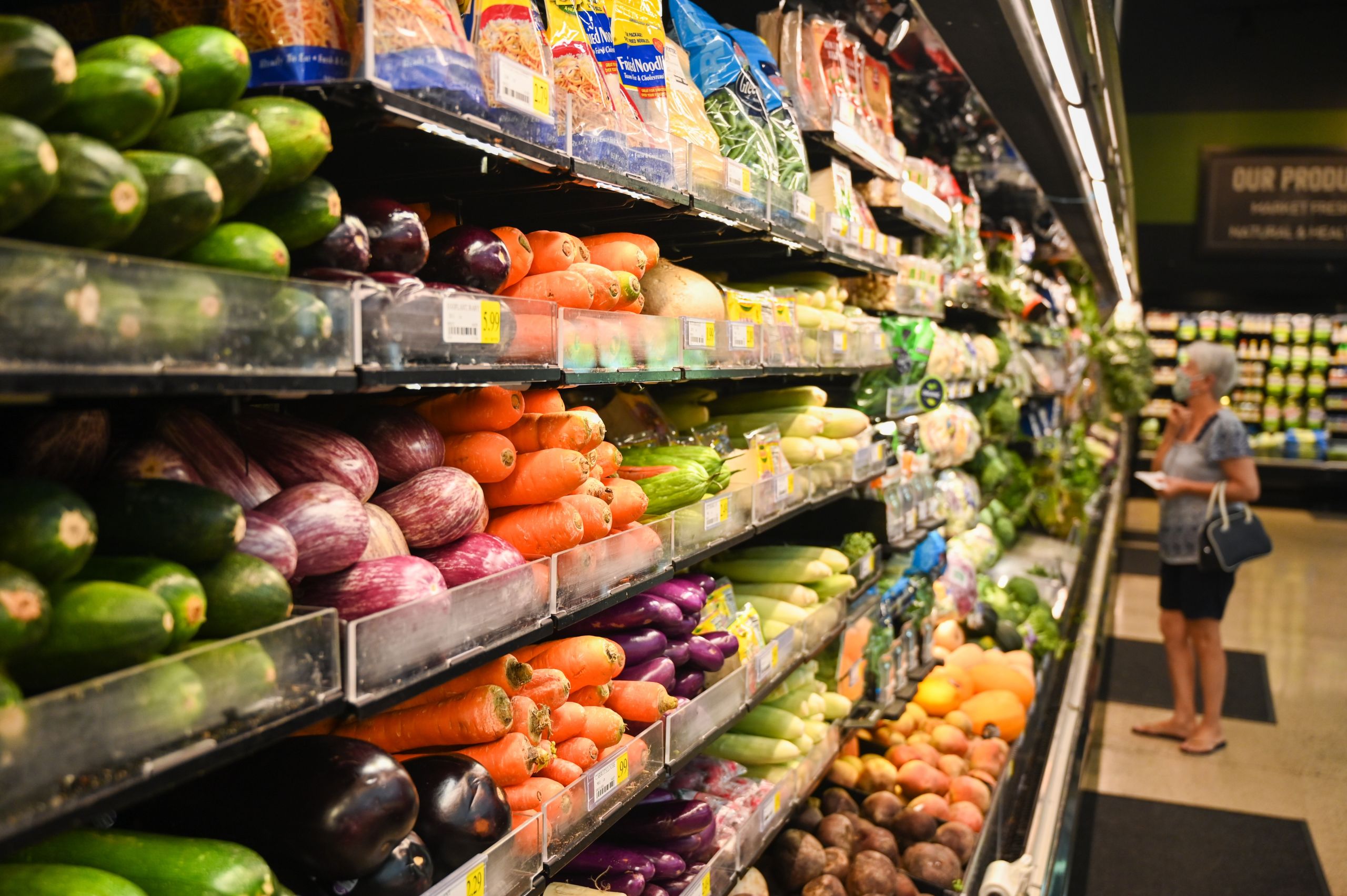
A combination of rising prices on key essentials, like food, rent and electricity, and sharp increases in the cost of borrowing are fuelling a mounting cost-of-living crisis.
Global factors – largely beyond Cayman’s control – are making one of the world’s most expensive locations even more pricey.
Over the next 18 months that could push some families to the brink.

Inflation and interest rates can seem like esoteric concepts that most of us would rather not fixate on. But when your monthly mortgage doubles and a lettuce costs $7, it is time to pay attention.
With the help of Simon Cawdery, director of HLX Management and host of the ‘MoneySense’ radio show, we break down what’s happening with the economy and how it could play out for households in Cayman.
What is going on with inflation and what is causing it?
Inflation reached an all-time high in Cayman in June, with prices more than 12% higher than at the same period last year. Fuel, housing, transport, water, electricity and food – basic essentials for everyone in Cayman – have risen significantly.
The price hikes, which eclipse the previous record in the aftermath of Hurricane Ivan in 2004, are largely beyond Cayman’s control. Inflation – like almost everything else on the island – is imported.
The US and UK have both seen double-digit inflation increases and kicked that on to Cayman with a surcharge for shipping. Economists are still debating the causes which include supply chain problems, rising labour costs, a surge in consumer demand post-COVID and shortages of raw materials and components.
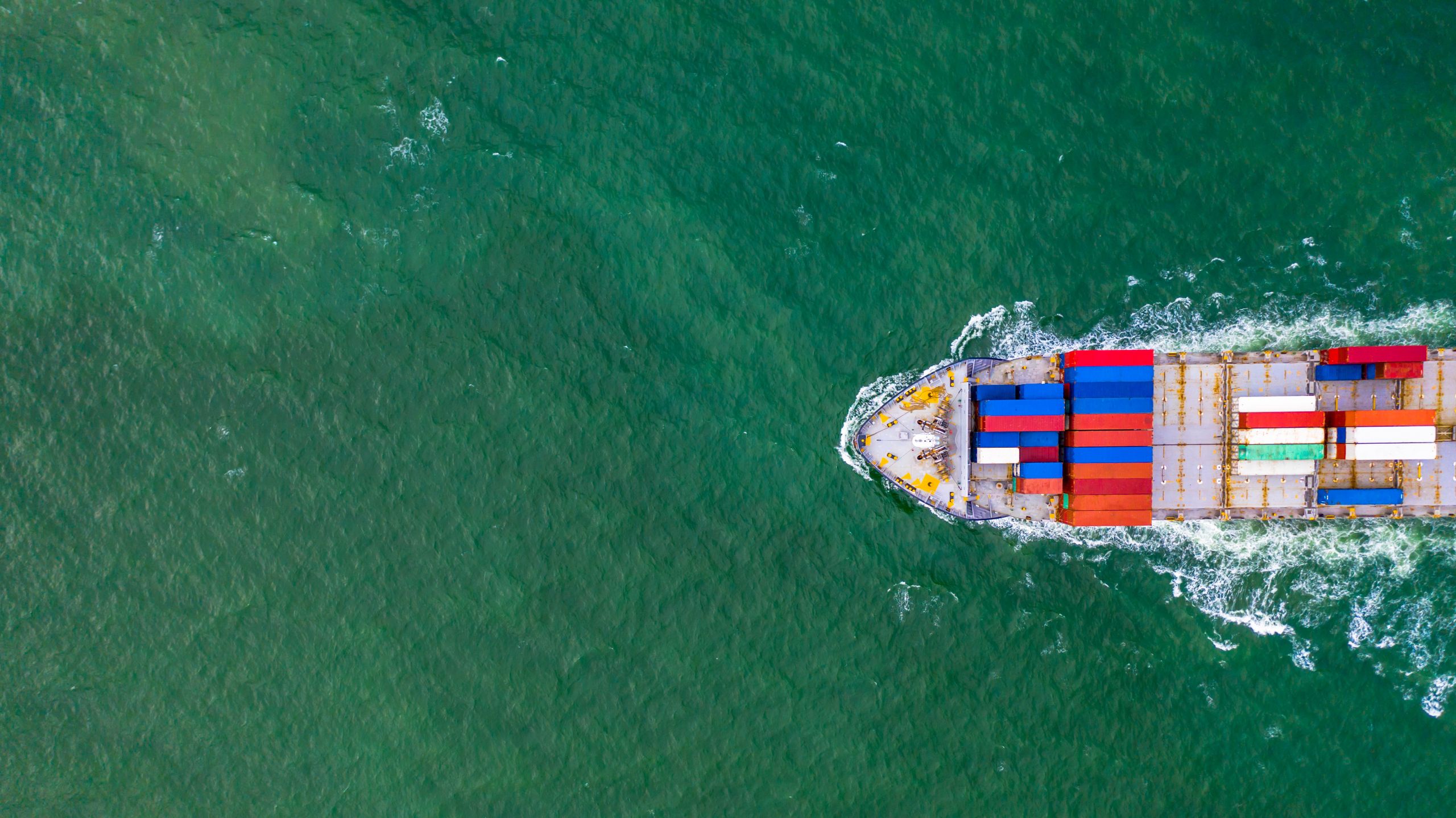
COVID-control measures in China, where millions of workers are being locked down on a weekly basis, has slowed production and snarled supply lines. Meanwhile, the war in Ukraine – a major exporter of food – and Russia’s subsequent stand-off with the West has impacted oil and grocery prices.
Why are interest rates increasing?
Interest rate hikes are a direct and inevitable response to inflation.
Central banks, like the Federal Reserve in the US and the Bank of England, are legally required to keep inflation in check.
When prices surge, it is because demand for goods is larger than supply. A clear example is seen in the car market where manufacturers have been unable to keep up with demand, causing a significant increase in prices.
Central banks can’t easily impact supply, so they are required, instead, to tackle the demand side.
Increasing interest rates – as the Fed has done six times this year – by central banks make the cost of borrowing, including mortgages, car loans and credit cards, more expensive.
If it seems like a conspiracy to make you poorer, that is exactly what it is.
The theory goes that a greater portion of people’s wages will go toward those essential loan repayments and there will be less disposable income for discretionary spending. If enough people are struggling to pay their existing bills, demand for a vacation or a new car goes down and eventually so do prices.
That seems harsh. Will it work?
Raising interest rates is a blunt tool with which to tackle inflation, but it is the only one available, and central banks are legally required to use it.
“The strategy will work,” says Cawdery, “because they will keep doing it until it works.”
Jerome H. Powell, the Fed chair, said in a recent speech that the policy would inevitably bring pain to households and businesses.
But he insisted doing nothing amid runaway price increases would be far worse.
“A failure to restore price stability would mean far greater pain,” he said, adding, “we will keep at it until we are confident the job is done”.
Even if he thought otherwise, the Fed – like most central banks – has a legal requirement to keep inflation below a certain threshold – generally set around 2-4%.
Can Cayman take a different approach?
While Cayman has its own currency, its own budget and its own finance policy, it has almost no control over monetary policy.
The Cayman dollar is pegged to the US dollar and all banks here fund themselves in US currency.
“All Cayman banks simply have to put interest rates up, at a minimum, at the same rate as the Fed, otherwise they wouldn’t be able to remain in business profitably,” says Cawdery.
What do rising interest rates mean for the average person?
The biggest single impact of rising interest rates for Cayman families will be seen in their monthly mortgage repayments.
For some people, those costs have almost doubled in the past year. They could double again before this is over.
If you have a $500,000 mortgage loan with a 20-year repayment plan, your mortgage would have risen from $3,749-a-month to $5,415-a-month on the back of interest rate increases from 4% to 8%.
Anyone on a fixed interest rate mortgage needs to check with their bank when that resets, says Cawdery, because they could be in line for an overnight increase of $1,500 or more in their monthly mortgage costs.
“Call your bank. You might be shocked but it is better to be shocked nine months in advance,” he said.
How can anyone sustain those kind of increases?
Most banks will have ensured there is elbow room in your budget before approving a mortgage. They will have stress-tested your ability to repay.
Interest rates have been historically low for a number of years and any bank making a loan would need to be satisfied that you have some room to manoeuvre in case of increases.
What’s unusual this time around is the scale of the rise in costs and the scale of the change in interest rates. That might be beyond the stress tests banks have used, meaning that there could be many families struggling to make their repayments.
What does that mean?
Unfortunately, that could mean an increase in foreclosures – forced sales of properties by banks calling in loans that borrowers can no longer repay.
Mitigating against that is the sharp rise in housing prices over the past decade. Struggling homeowners could sell their asset to lock in those increases and repay the loan – assuming they bought at the right time and that house prices remain buoyant.
Another option is to lengthen the term of the mortgage – this may help keep monthly costs down but means it will take you longer (and cost you more) to repay the mortgage overall.
What else is impacted?
Raising interest rates increases the cost of borrowing. For families, that means mortgages, credit card spending, car loans, student loans and any other debt becomes considerably more expensive to service.
Most people in Cayman use debt to help fund elements of their lifestyle or daily expenses.
The Compass reported last year that residents have collectively amassed more than US $2.5 billion dollars in household debt, according to figures from the Cayman Islands Monetary Authority.
That’s just less than $40,000 for every person on island.
Around $2.2 billion is invested in property, $70 million in car loans and $5 million in student debt. All that is going to get more expensive to repay.
Will rents also go up?
Rents have already gone up considerably in Cayman and that could continue. It is logical that if a landlord’s mortgage goes up, they will attempt to kick that on to the tenant.
But the rental market is more reactive and flexible, says Cawdery. A tenant can always look to ‘trade down’ to a smaller place or share a home to cut his costs.
It is a calculated risk for a landlord to increase his rent because he might end up with an empty property.
How will businesses be impacted?
Most businesses borrow significant sums either to pay for a premises or for new expansion. Interest rate hikes will make those costs greater and reduce the chances that you will get a pay rise to cover your own expenses. New hiring is also likely to be impacted.
In Cayman, this could be tempered by the revival of the tourism industry after COVID, though the impact of a similar cost-of-living crisis in the US could affect demand for Caribbean holidays.
If interest rate hikes are supposed to control inflation, why are prices still going up?
What is the opposite of a sweet spot? A sour patch? A bitter place? That’s where we are right now. Inflation is out of control and interest rate hikes have yet to have the desired impact.

The time lag between action and effect could be as much as nine to 18 months, says Cawdery.
He questions whether the Fed, which has made cautious, incremental increases, has acted aggressively enough, potentially prolonging the pain.
“It is going to be a difficult 18 months,” he said, suggesting people should tighten their belts and be prepared for further increases before things calm down.
What can governments do?
Governments have the option to increase taxes in sync with interest rate hikes to magnify the pain.
Remember this is a ‘no pain, no gain’ approach, so the goal would be to reduce consumer demand and get runaway prices under control more quickly.
The UK government’s recent decision to borrow money to fund a tax cut is a textbook example of what not to do. Liz Truss, whose tenure as prime minister famously lasted less than the life span of a lettuce, was ousted from office because her economic plan panicked the markets and worked against the economic goal of reducing demand.
“They threw gas on the fire,” says Cawdery.
Is there anything policymakers in Cayman can do?
Without the ability to set monetary policy, Cayman’s policymakers must focus instead on bracing for impact, says Cawdery.
He cautions against blanket assistance.
Government’s decision to cap the fuel surcharge on electricity bills, for example, might help families in need afford power. But it also puts money in the pockets of people who don’t really need it, at a time when the fundamental economic goal is to reduce their spending power.
“Everybody on Seven Mile Beach who owns a condo and rents it out to tourists is getting a government subsidy for their fuel bill,” says Cawdery.
Similarly, the pension pay-outs after COVID and a blanket policy of offering free school lunches to all children are well-meaning policies that – while perfectly valid for a variety of other reasons – are not well matched to the goal of reducing inflation.
But surely people need support now more than ever?
It is definitely true that people need support.
Household essentials, like food stuffs, fuel and water, have seen some of the biggest increases.
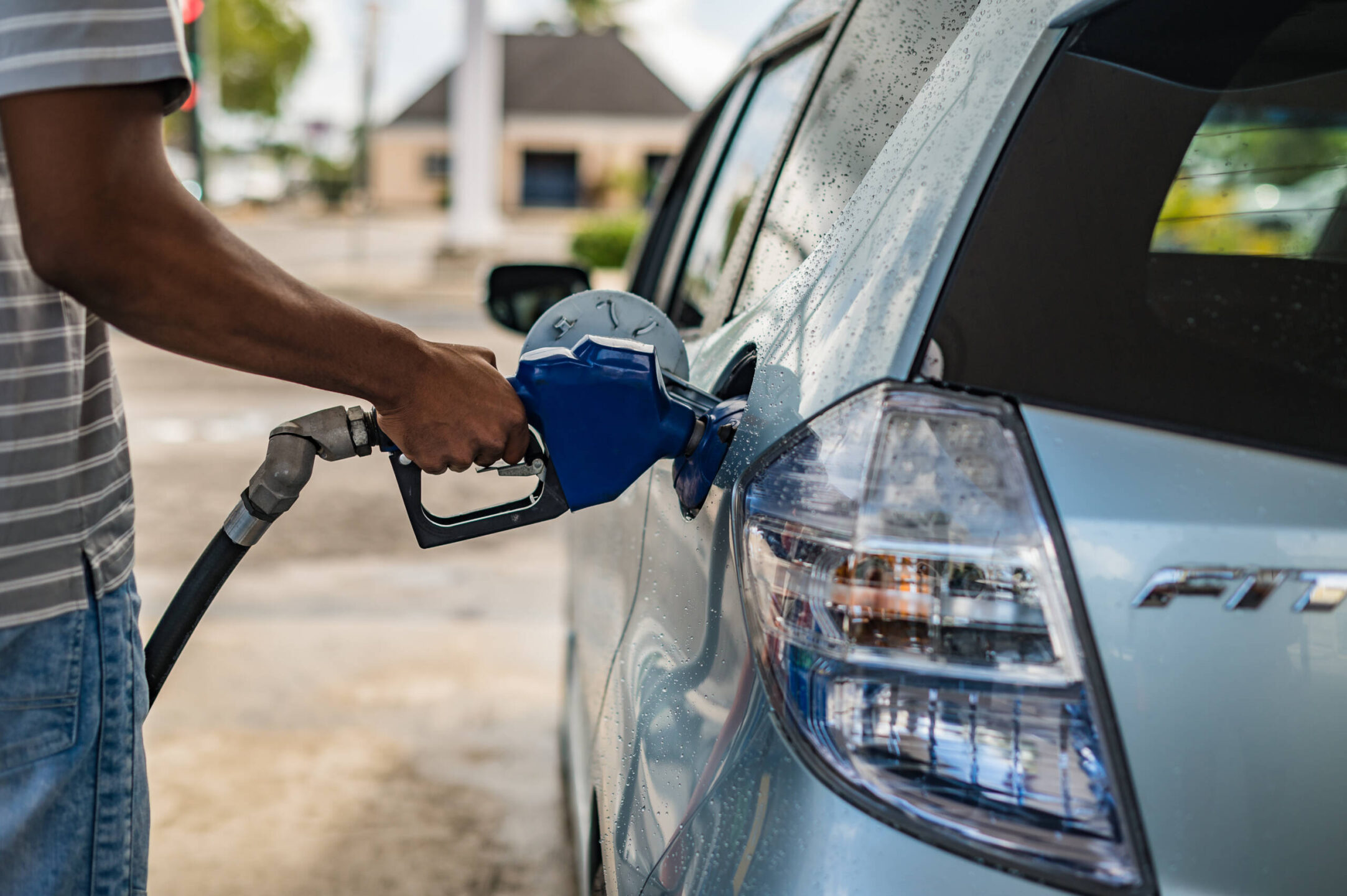
While we can go without aeroplane tickets or chocolate cake if it becomes too expensive (in fact that’s what the Fed wants us to do), it is much harder to go without staples like milk or chicken.
Support is definitely required for lower income workers but the best policy would be means tested.
“What is required is extremely well-targeted support for people on low incomes on a temporary basis to help with those sharp cost-of-living increases,” says Cawdery.
How bad could it get?
The last time inflation rose to the extent it has in 2022, the UK and US were plunged into recession.
It is likely that costs will continue to rise for the foreseeable future, mortgages will go up and employment will stagnate.
Demand for Cayman vacations is likely to decrease as the US feels the pain.
That could dent the post-COVID job recovery in the key tourism sector, while businesses in general are likely to find it harder to raise wages or fund new hires.
“The problems that people have suffered in the last 12 months are going to be there for the next 12 months,” says Cawdery.
“It is not going to get better quickly.”
Will house prices be impacted?
The likely medium-term impact of spiking interest rates is a cooling effect on Cayman’s property market.
The increase in interest rates has effectively increased the cost of buying a $500,000 home by more than $1,600-a-month, as our earlier example demonstrates.
There’s still scope for that to go higher and it is logical that demand for homes will drop and the prices will start to come down.
While that may be good news for buyers, it is another blow for the almost 50% of island residents who own their own homes.
“In most cases in history when interest rates have more than doubled, any change of that magnitude has been associated with declining house prices,” says Cawdery.
“It certainly affects people’s ability to buy because the cost of owning a property has gone up substantially.”
Any glimmers of hope?
A swift end to the war in Ukraine and the Chinese lockdowns could change the global picture quite rapidly.
Unclogging those supply chains would impact the other side of the demand/supply equation, potentially bringing a swifter and less-painful resolution to the cost-of-living crisis.
Related Videos













The local banks are profiteering with the Fed rate increases as the mortgage rates increase in tandem, but the rates they pay on deposits lag far behind, they can’t have it both ways. Govt should step in to stop the banks inflating their profits in this manner.
It’s the same in the UK and USA. The reason is that banks there have little need of encouraging customer deposits when they can borrow money from the government so cheaply.
The difference this time is that this is a cost driven inflation not demand driven.
Russia’s invasion of Ukraine caused fuel prices to rocket. This increases the cost of everything else.
However interest rates are still strongly negative as they are far below the rate of inflation. This effectively “steals” your savings month by month as your purchasing power goes down.