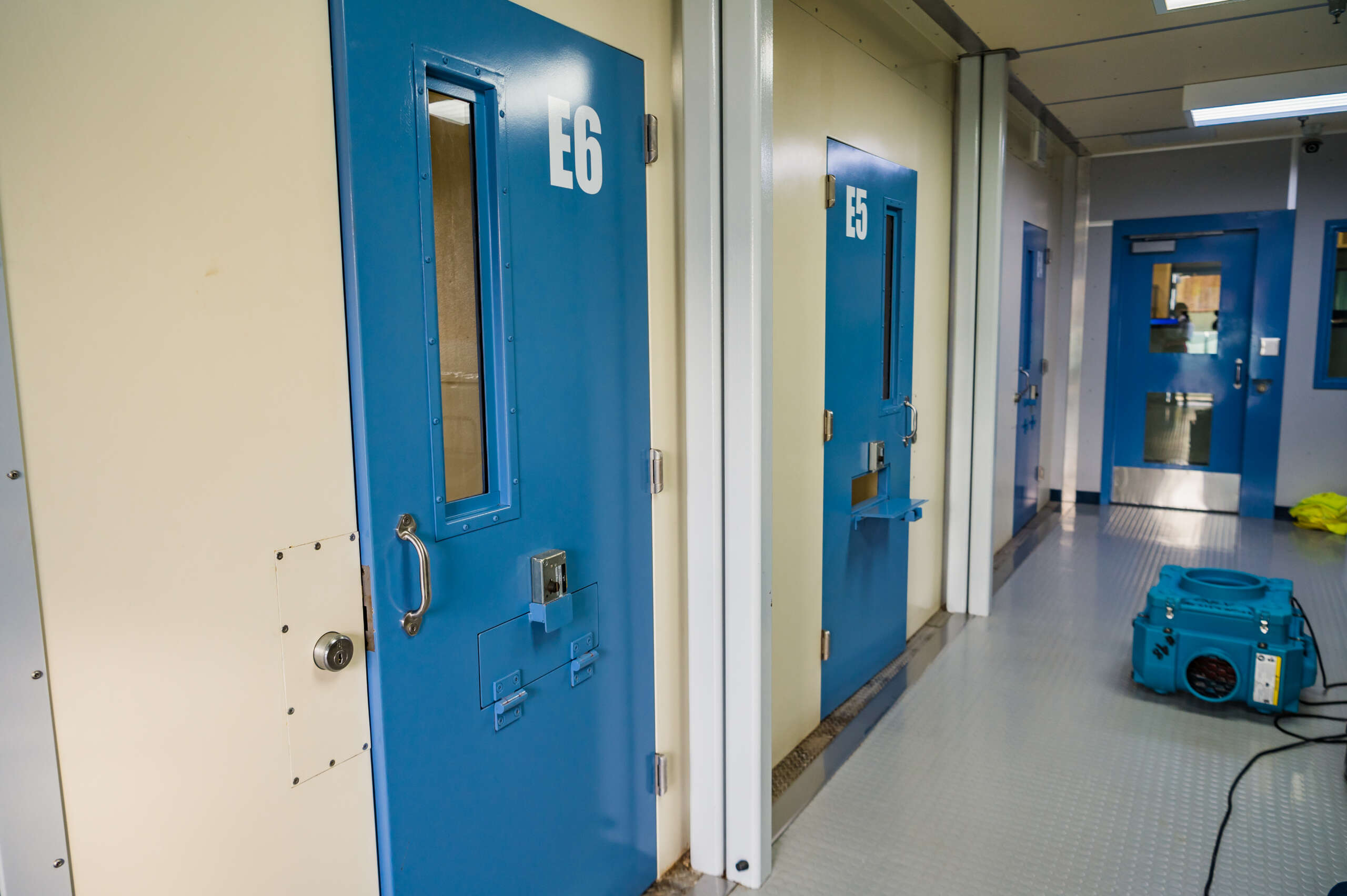
Almost anyone arrested in the Cayman Islands, from suspected drug traffickers and wanted killers to drunk drivers and white collar fraudsters, are brought, in the first instance, to a nondescript concrete building on the corner of a leafy backroad in George Town.
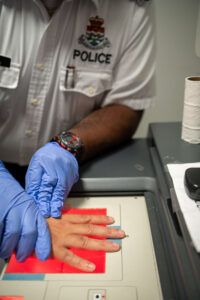
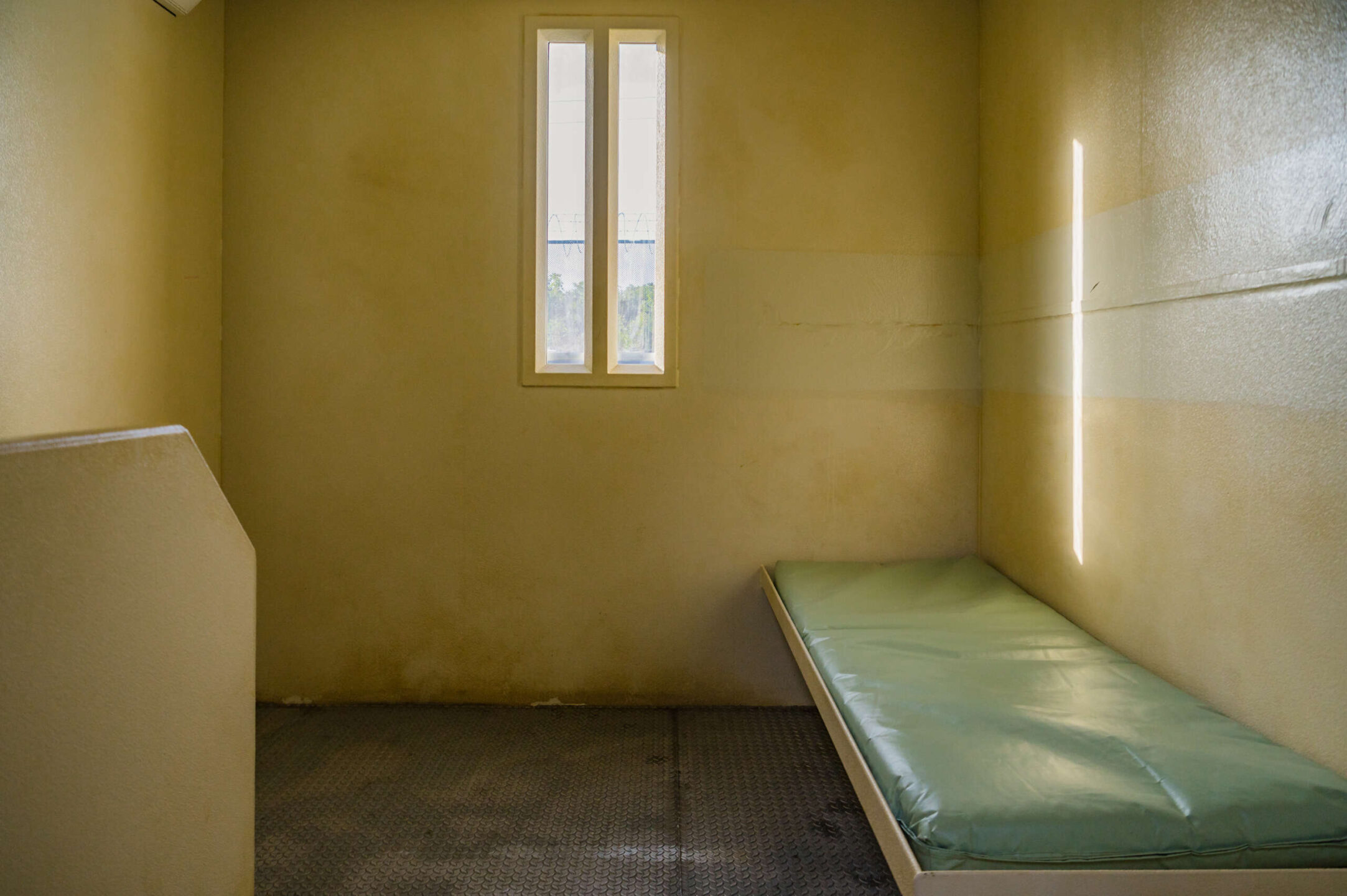
The prisoners are ushered through the mesh gates of the Cayman Islands Detention Centre, fingerprints and mugshots are taken and if necessary they are kept in one of a dozen basic cells, while they sleep off their excesses or prepare to face questioning from detectives.
The more clear-cut cases proceed quickly to charge.
But in many instances, in the murky aftermath of a dramatic incident or contentious allegation, there is no clarity over precisely what happened, or who is responsible, and certainly not enough evidence to start the ball rolling on a criminal case.
In these instances, suspects are released on what is known as ‘police bail’ or ‘pre-charge bail’ – their passports can be confiscated, curfews imposed and, in rare cases, ankle monitors attached. They are required to inform police of their whereabouts and return to the detention centre periodically as an investigation takes place.
What happens next is a point of contention.
While some move smoothly through the process towards charge, court appearance and sentencing, others are lost in the system.
Scores of criminal suspects are being kept on ‘police bail’ for months at a time in cases where there is not yet enough evidence to bring charges, according to the results of a Cayman Compass open records request.
In the most extreme cases, people have been kept under a cloud of suspicion without charge for almost three years.
Now defence attorneys are calling for UK-style time limits on the use of pre-charge bail, without court input, saying it puts too much power in the hands of police officers and unfairly impacts the lives of suspects, who may not have committed any crime.
They argue that the current policy leaves police vulnerable to a ‘habeas corpus’ challenge for unlawful detention.
Police and prosecutors acknowledge that swifter justice is needed but point to practical challenges of island policing and the need to protect witnesses and victims while investigations play out.
Consultant highlights bail challenges
Police have acknowledged inefficiencies and are working to improve the speed of investigations.
A consultant, who reviewed the custody and detention process last year, highlighted challenges with the bail system and recommended a better record keeping system to allow senior officers to keep closer tabs on investigations that are dragging on.
Commissioner Derek Byrne accepted that – though police operate within the law – lengthy periods of pre-charge bail could be open to court challenge. He said any unnecessary delays were the result of inefficiencies, rather than abuse. And he said police, under the leadership of Superintendent Wendy Parchment, who has responsibility for the Cayman Islands Detention Centre in George Town, are working to close those gaps.
But he insisted public safety was the number one priority and that complex or serious cases could still require suspects to be held on bail for long periods.
Data shows lengthy bail periods
The data received by the Compass through a Freedom of Information request shows people in Cayman being held on police bail for long periods, far in excess of what would be allowed in the UK.
The most extreme example involves a 29-year-old woman arrested in February 2020 on suspicion of obtaining a money transfer by deception. Almost three years later, she was still on pre-charge bail, the police response indicates.
More than a dozen people have been on bail without charge for longer than a year. A 45-year-old man, arrested for theft in July 2020, and a 49-year-old man accused of obtaining property by deception in November of that same year are among those still waiting to hear if they will ever face criminal charges.
The data comes from a spreadsheet of 102 suspects currently on police bail, supplied to the Compass in October, eight months after our initial Freedom of Information request and following the intervention of the Ombudsman.
Of the suspects detailed in the FOI response, around 40% had been on bail for longer than six months.
For lesser offences, triable in the Summary Court, there is a six-month cap on how long police and prosecutors can take to file charges. For more serious offences, which would go to the Grand Court, there is no limit, and advocates fear people are being left in limbo indefinitely.
Suspects face real life challenges
One man, who was on police bail for 16 months for a serious traffic-related offence, told us he had lost his job due to adverse publicity and misinformation surrounding the case. With the threat of charges hanging over him, he says, it has been impossible to find alternative employment.
The man, who we agreed not to name in this article, was eventually charged and now faces a further, potentially lengthy, wait for the case to come to trial.
“It has affected my life in a serious way. It feels like that moment in the cartoons when there is a weight suspended over your head, about to drop, but you don’t know when it will happen.
“You can’t move on with your life. I would almost rather have gone to prison at this point and had it over with.”
Jonathon Hughes, an attorney with Samson Law, says this is a common scenario.
In the worst cases, he said, people were held on bail for as long as two years and then released without charge or even an apology for the disruption to their lives.
He said he receives “heart rending messages” every day from clients asking when their case would be dealt with.
Hughes acknowledged the volume of clients on extended bail was not that high.
But, he said the impact – especially for those on curfews or ankle monitors – was disproportionate.
“Remember this is only used when someone hasn’t been charged with an offence.
“These are often cases where the evidence is simply not there and they put someone on bail indefinitely and hope something turns up,” he said.
“There is no legal process to bring it to an end so people subject to these conditions have no idea when it will be brought to a conclusion.”
For those suspects on an ankle monitor, the stakes are particularly high.
Cayman’s courts have previously ruled that every four days spent on an electronic tag is equivalent to a day imprisonment.
It is feasible that anyone kept on a monitor without charge for an extended period could attempt to bring a human rights claim for ‘unlawful detention’. There could also be arguments that depriving someone of a passport for long periods interferes with their freedom or right to a family life.
There are currently three suspected offenders under electronic surveillance as part of their bail conditions, one of them for the past 10 months.
Kurt Walton, the deputy commissioner of police, said those were serious cases involving high-risk individuals. He said they had all signed a contract with the Department of Community Rehabilitation agreeing to the use of the electronic tag.
Byrne acknowledged there was sometimes a difficult balancing act between the rights of the individual and the protection of the public. He said police’s number one aim when considering pre-charge bail was public assurance and the safety of witnesses and victims.
The Bail Act sets the guidelines by which police must operate when considering bail conditions.
UK extends bail allowance
The UK has been grappling with a similar conundrum.
In 2017, Theresa May, then the Home Secretary, put an end to open-ended police bail amid similar concerns to those now being aired in Cayman. Several celebrities, including broadcasters Jim Davidson and Paul Gambaccini, were among those held on pre-charge bail for extended periods before the cases were dropped, bringing the issue into the media spotlight.
May introduced amendments that put a 28-day cap on police bail in most cases. That could be extended to three months for more complex investigations.

“I have been clear that it is simply not acceptable for individuals to spend months and, in some cases, years on pre-charge bail, with no system of review, only for charges never to be brought against them,” she said.
The UK has begun to walk back some of those changes, however, amid concerns that they tip the balance too far.
The Police Crime Sentencing and Courts Act, passed this year, pushes the time limits up to three months and to 12 months in the most complex cases.
The legislation has been nicknamed ‘Kay’s Law’ in memory of Kay Richardson who lost her life at her ex-partner’s hands while he was released under investigation, with no conditions attached, rather than on bail, where he may have been confined to an address or otherwise restricted.
According to UK government explanatory notes on the legislation, police forces around the country had reduced the use of police bail considerably and were instead releasing people without conditions attached, as the investigation continued. The changes were designed to provide greater protection to victims and clearer timescales for suspects, the notes state.
Simon Davis, Cayman’s Director of Public Prosecutions, said the evolution of the law in the UK suggested an acknowledgment of the increasing complexity of investigations.
“If anything the periods of time that people can be remanded on police bail are getting longer,” he said.

Even seemingly straight-forward domestic violence or assault cases can involve analysing reams of mobile phone evidence, he said.
Investigation takes time
And in Cayman, the turnaround time for ballistics reports, DNA analysis, crash test investigations and other specialist evidence can be longer than in larger countries.
Davis said police bail was necessary to monitor suspects while all that evidence was being lined up.
“In an island environment, it is easier for people to jump and go absent without leave, so police will want to look at risk of abscondment as part of that decision.”
He said prosecutors aimed to make a charging decision within 14 days of police submitting their case files. He acknowledged that target was not always achievable.
“We don’t want people to be waiting for justice for years.
“It is in everybody’s interests to be as expeditious as possible.”
Byrne said bail of longer than a year should be extremely rare and only used in investigations that were “complex, technical and protracted”. Our data shows 13 people currently on bail for over 12 months.
He acknowledged police need to tidy up their internal processes to get from arrest to charge in speedier fashion.
But he does not support a prescriptive UK-style time limit.
He said the realities of island policing, where expert reports from overseas can take months to arrive and witnesses are often reluctant or even hostile, made it challenging for officers, working with prosecutors, to bring charges as swiftly as they would like.
Double murder charge took a year to secure
Byrne highlighted the recent charges brought against two men for a double murder on Martin Drive as an example of a case that had taken more than a year to get to charge.
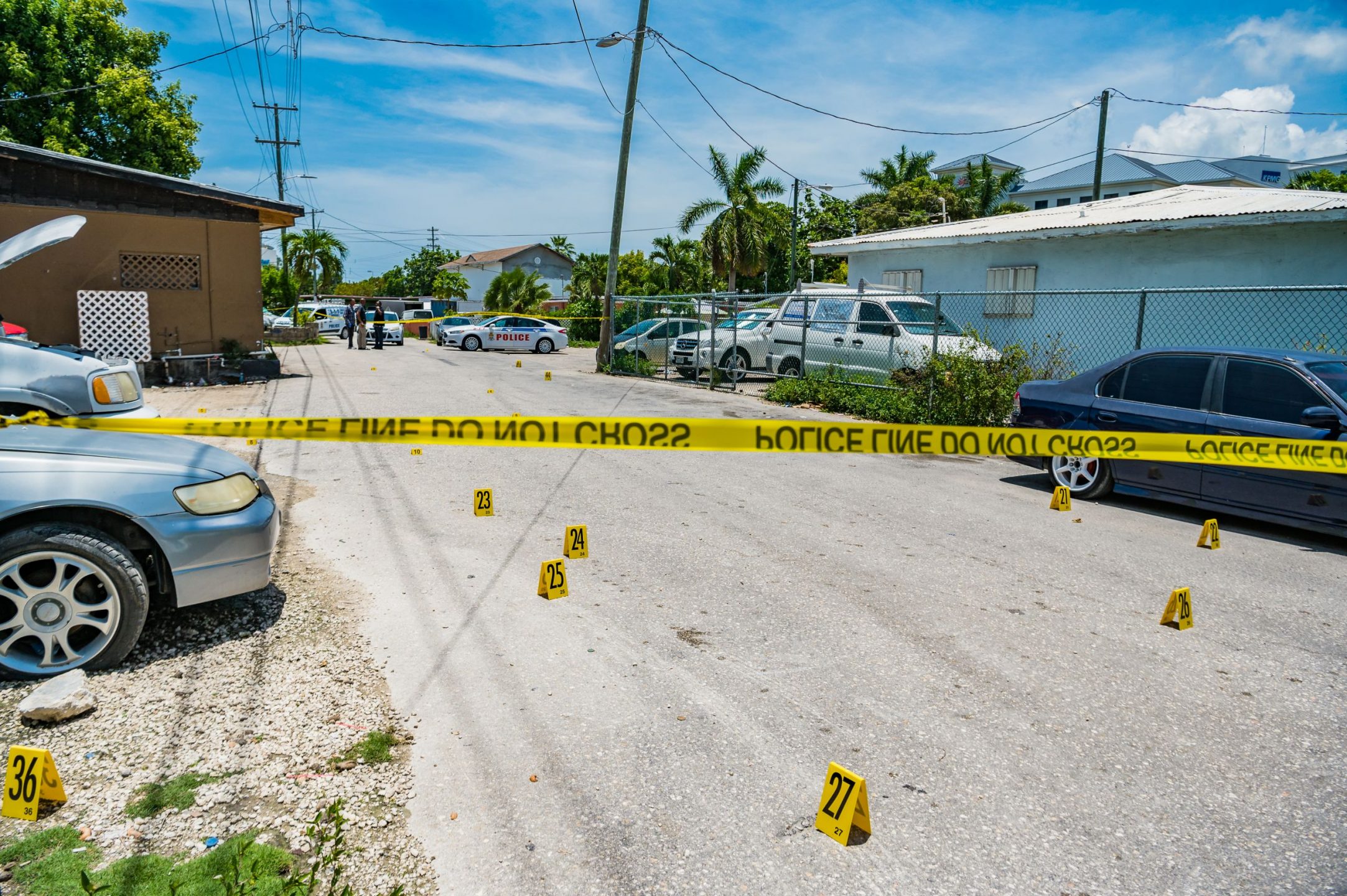
In instances like that, he said, it was absolutely necessary to use police bail to monitor suspected serious offenders while investigators collected evidence and marshalled ballistics and forensic reports to bring charges. He added that back and forth with the DPP over the threshold for charges often resulted in further delays.
But he accepted that it was “bad practice” in general to have people on bail for extended periods.
“If there are cases where people are on bail for two years we have to have a good look at why. That should be very rare.”
He said everything police did was in accordance with the law. But he acknowledged that legislation could be challenged under the Bill of Rights.
Amelia Fosuhene, a senior defence attorney with Brady Law, said she accepted and appreciated the challenges of getting complex cases together in the Cayman Islands.
But she said delays were typical, even in routine investigations.
She said officers should have their “ducks in a row” before they make an arrest.
“There is no time limit so the police take as long as they want,” she said.
“Why not let people go about their business as normal until you have enough for an arrest?”
Changes coming
Superintendent Wendy Parchment took over responsibility for the detention centre in 2019.
Anyone arrested in the Cayman Islands comes through her hands. They are brought to the centre on Fairbanks Road for processing.
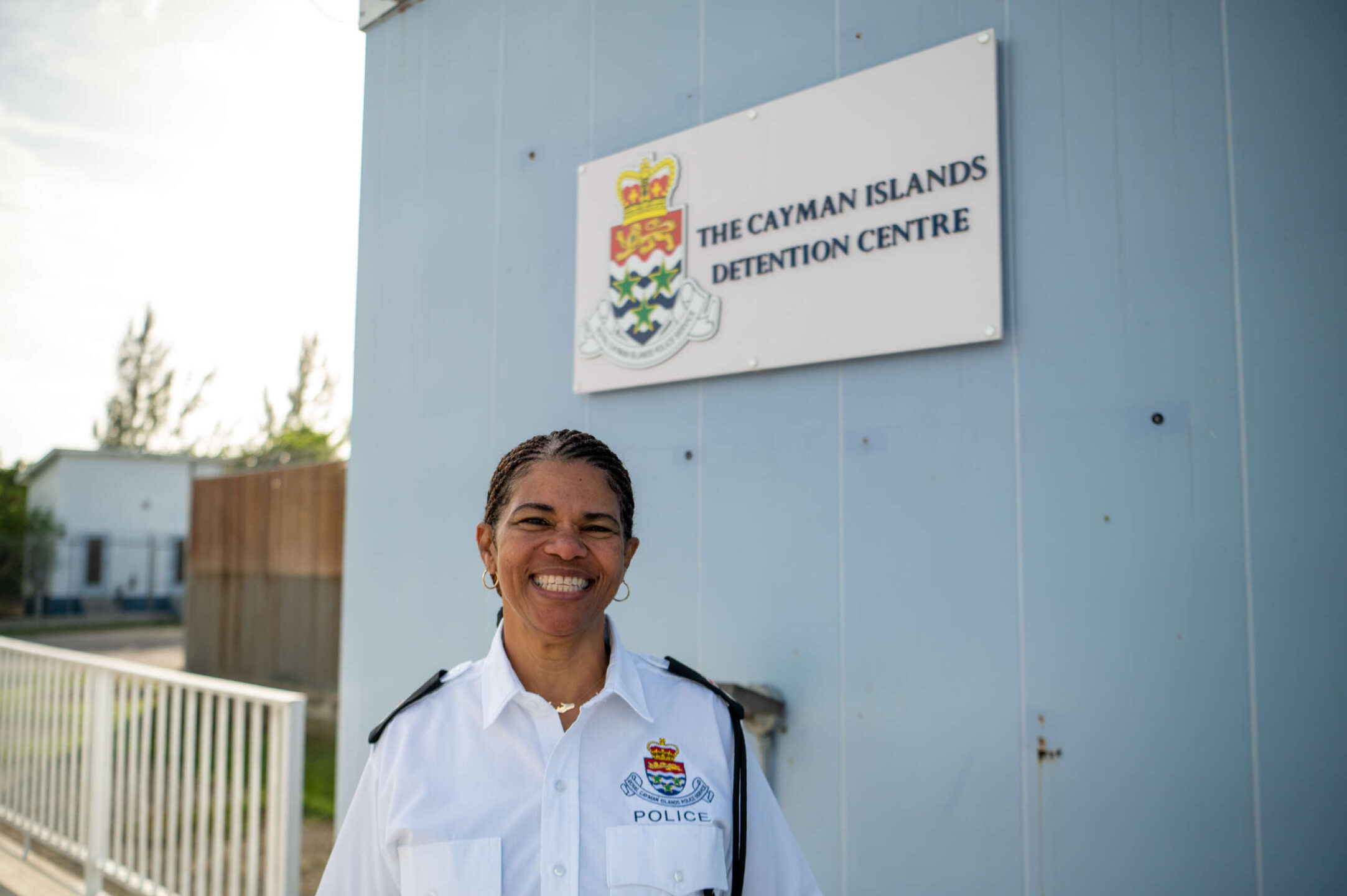
The business cards of a wide variety of defence lawyers are taped to the Perspex reception screen.
There’s a limit to how long police can hold anyone without charge and where the evidence is not yet clear cut, suspects are released under certain conditions and bailed to return to the centre, usually within a month.
Parchment said she had immediately made changes to ensure people were not brought back on bail repeatedly without reason.
And she insisted progress had been made in speeding up investigations – particularly in assault and drugs cases. Complex cases like fraud and money laundering inevitably take longer, she said.
Related Videos