

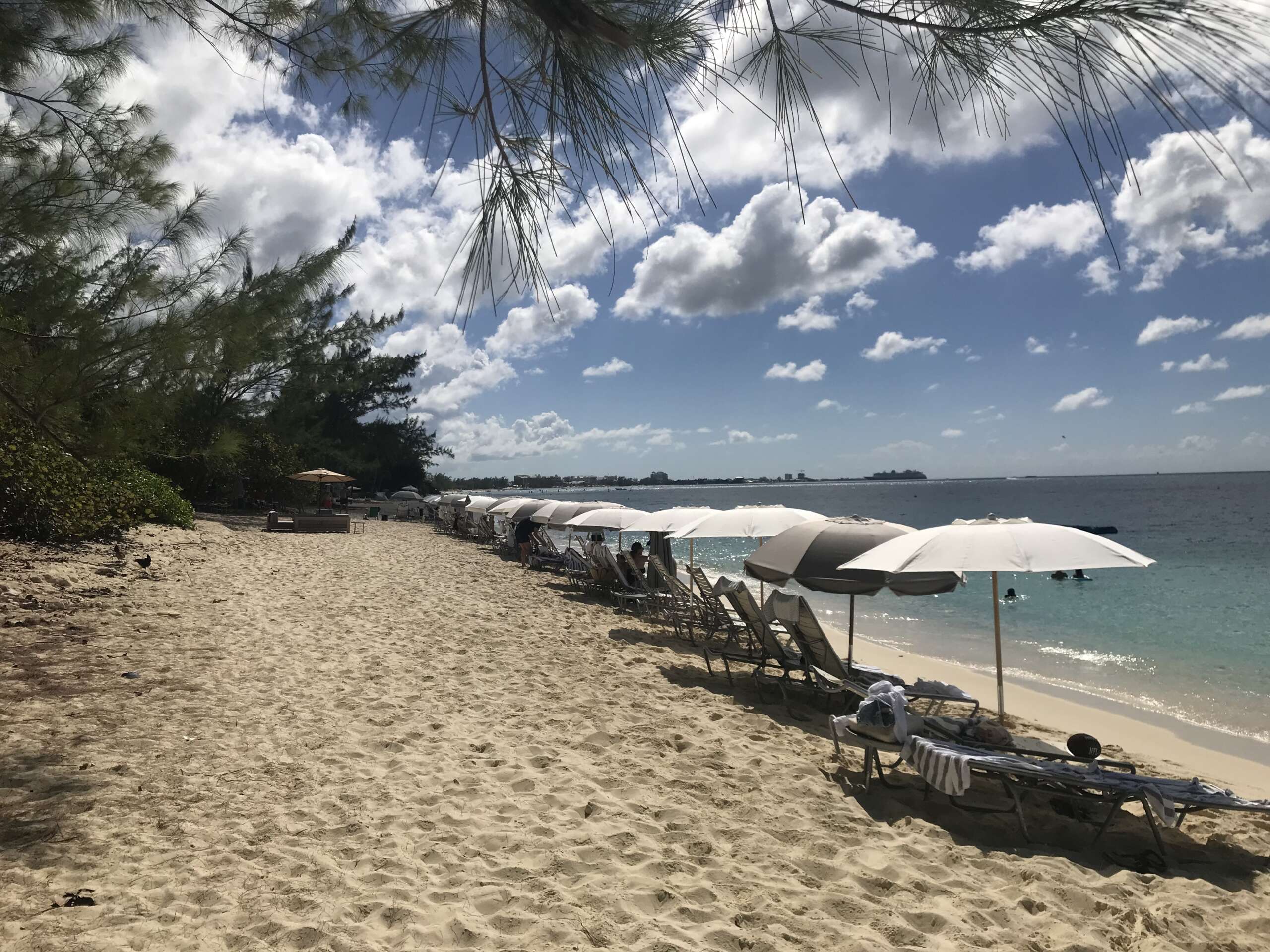
Beach access: Your questions answered
The issue of who has the right to use Cayman’s beaches has come to the fore again after members of the public objected to deck chairs being placed near the shoreline for Marriott hotel guests to use on a stretch of beach beside land the hotel leased from Dart.
Hundreds of comments have appeared on social media, decrying the fact that another section of beach appears to have been taken over by a commercial enterprise. Further along the beach, deck chairs crowd the sand at various hotels and at sites where private vendors rent chairs to tourists.
But what actually are the rules? Where is the line in the sand when it comes to public and private ownership of the beach?
Different government sources offer vague and sometimes conflicting answers to that question.
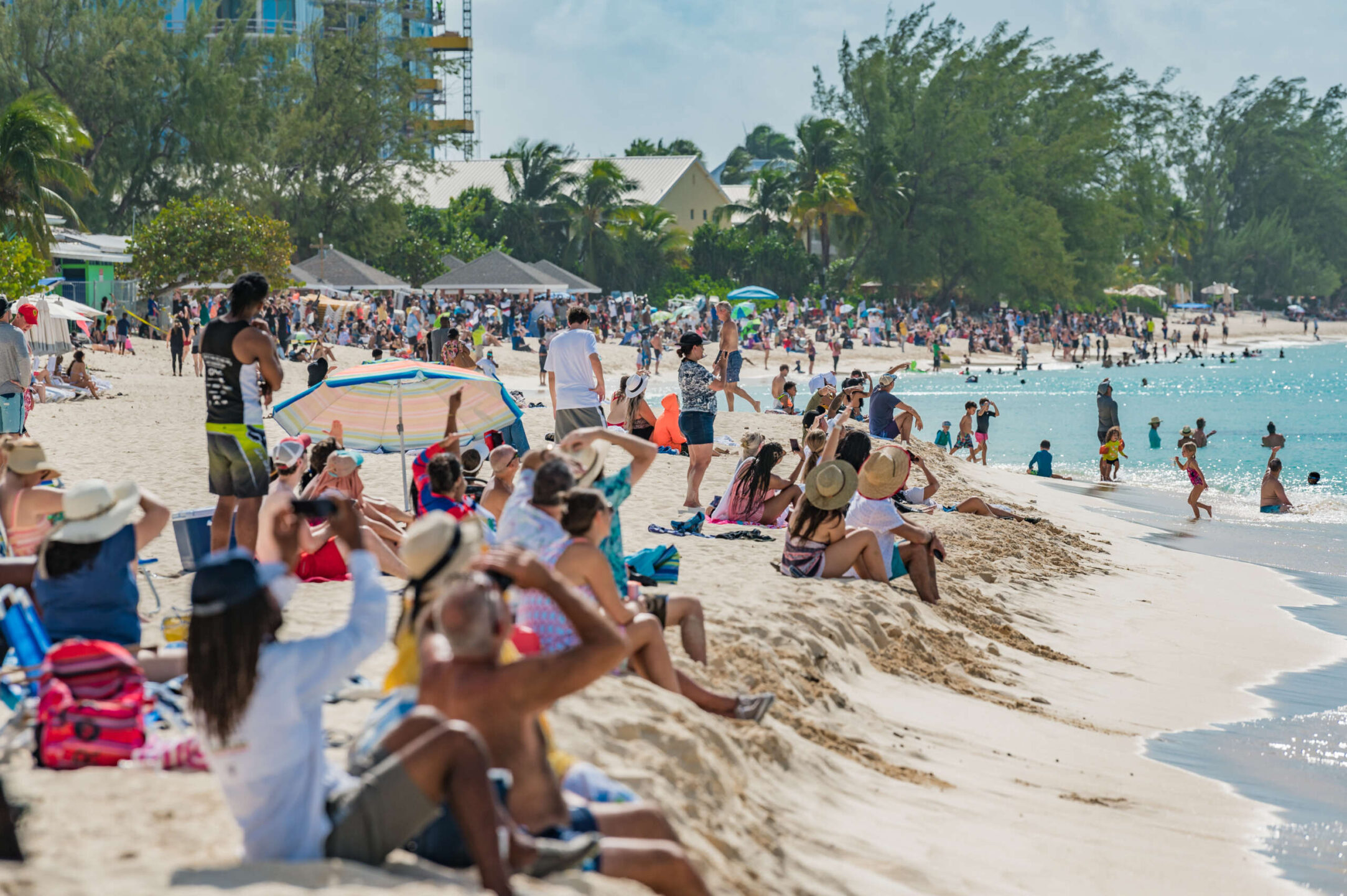
Tourism officials warn property owners that the public does have the right of unrestricted access to the islands’ beaches, regardless of ownership. But the Public Lands Commission, which has a remit to police any disputes over access, defines the beach much more narrowly as the area beyond the high water mark.
Attempts by the Compass to clarify that disparity have so far proved fruitless. It is clear, however, from the presence of roped-off deck-chair areas outside numerous hotels and condos along Seven Mile Beach that hoteliers and stratas are operating on the basis that at least part of the beach can be deemed private.
Department of Tourism memo
Several years ago, the DoT issued guidelines for owners of beachfront properties. It says that once members of the public arrive on the beach the following rules apply:
“The seaward boundary of a landowner’s or tenant’s property is, in tidal waters, the mean high water mark. Between the mean high water mark and the low water mark, known as ‘foreshore’, the land belongs to the Crown as does anything below the sea up to the limit of territorial waters.
“Where, however, a landowner’s property consists of ‘beach’ above the mean high water mark, then the usual rule, that a landowner can eject anyone he chooses from his land, is displaced. Members of the public have the right to use any part of Cayman’s beaches for recreation, even though the part of the beach being used is on private property, i.e., is above the mean high water mark.
“Such a public right is one of a group of rights which members of the public enjoy, even over private land, in the Cayman Islands. It is a right which the law presumes to have existed for many years and which members of the public have acquired under the Prescription Law.”
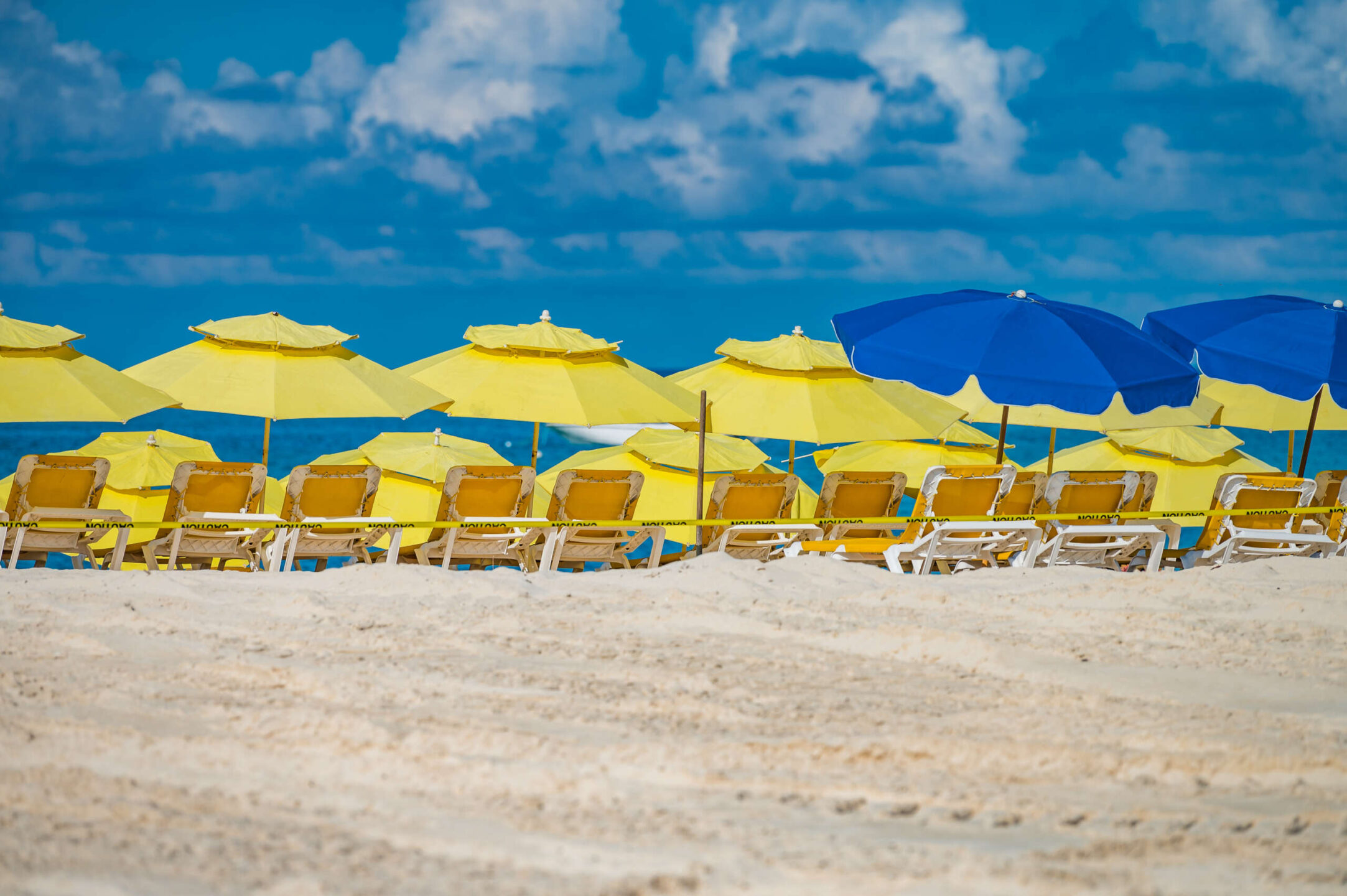
The DoT guidelines add that whilst members of the public have no rights to use private property, such as beach furniture which belongs to beachfront property owners, they may not be prevented from using the beach or passing to and from along the beach, even where the beach is on private land.
And they note, “Hotel managers should ensure that all staff working on the beach, such as security personnel and food and beverage staff, are aware of the law and that the public right to use any part of the beach is not restricted or limited in any way.”
However, despite saying that these guidelines are still in place, the Public Lands Commission, whose remit is protecting access rights to public land, says only the part of the beach between the low and high water marks has an automatic right to public access.
That’s a significantly narrower slice of beach than what the DoT memo encompasses.
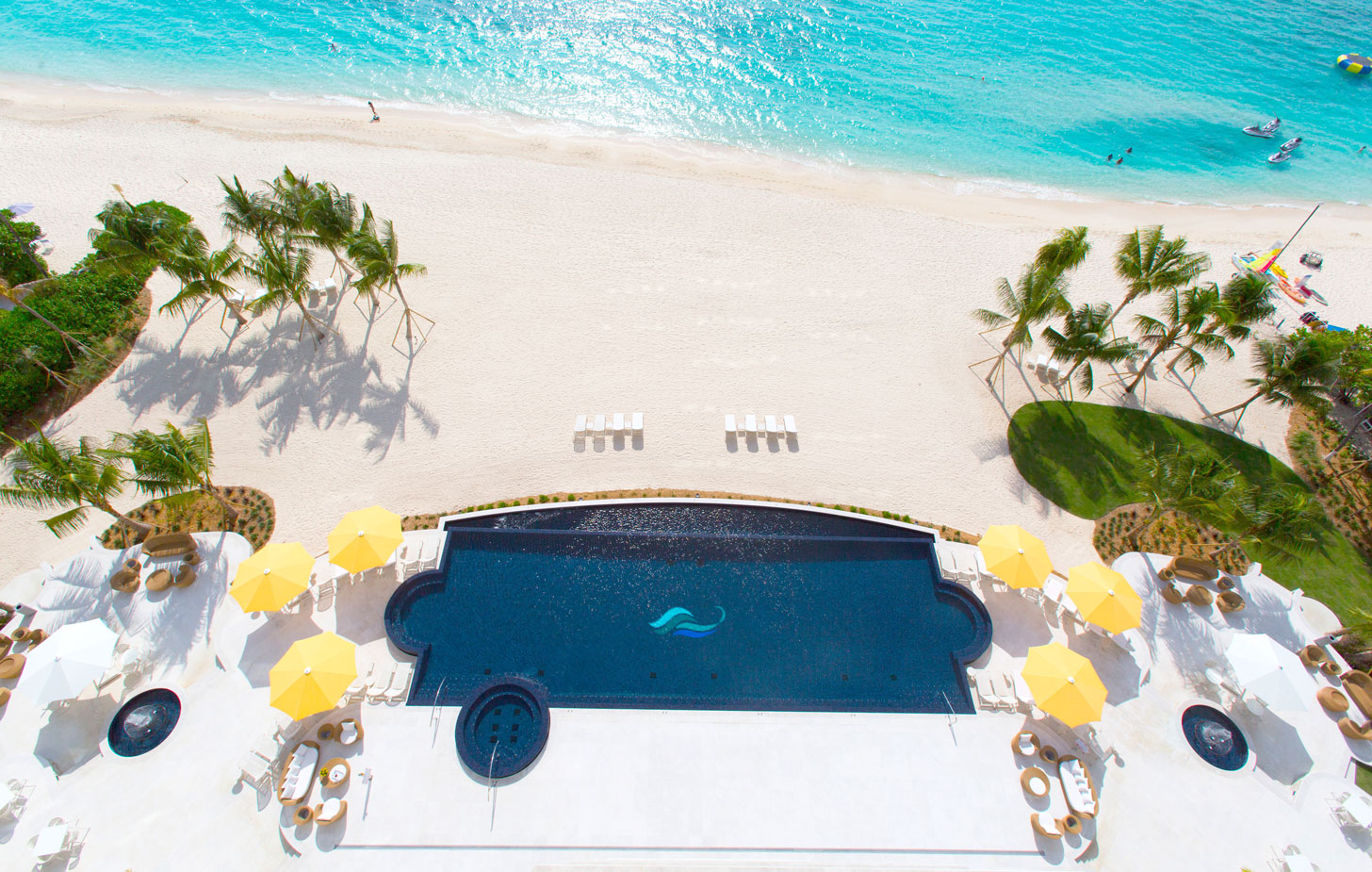
The commission told the Compass it had noted that some properties along Seven Mile Beach have roped off areas of sand in front of their buildings, with signs saying ‘Private Property’ and to respect their guests’ privacy.
It said there had been an increase in complaints from the general public about being “ushered away” from these once ‘shared’ spaces.
“This trend is rather troubling, but with little remedy in Act and/or Regulations, all we can do is to sit and try to mediate and come to some sort of agreement, which may not be successful if the new property owner feels otherwise,” the commission said.
It added, “It is the PLC’s goal to maintain good and open lines of communication with the owners and operators of the properties and businesses along [Seven Mile Beach] to keep encouraging them to also respect the public’s right to traverse and use the beach and/or coastline, as has been the custom since the very first development took place.”
It said ‘Doctrine of Public Trust’ is also a factor. This is a principle which states that the sovereign holds in trust for public use resources such as shoreline between the high and low tide lines, regardless of private property ownership.
The commission, when asked if the DoT guidelines for property owners still applied, responded, “The guidelines issued by the DoT remain in place until such time as new rules and/or guidelines are approved by Cabinet.”
It noted that beach usage has been an issue ever since the 1980s, when lawmakers “decided to move the coastline from the vegetation line to what is now referred to as the High-Water Mark. This situation has remained in law ever since and thus governs the coastlines of the Cayman Islands unless otherwise agreed with the landowner.”
Historic rights
The Prescription Law is one of the pieces of legislation which governs rights of access to Cayman’s beaches. It states that if any beach, or beach access, has been used by the public without interruption for 20 years, members of the public “have the absolute and indefeasible right to use such beach, land, road, track or pathway”.
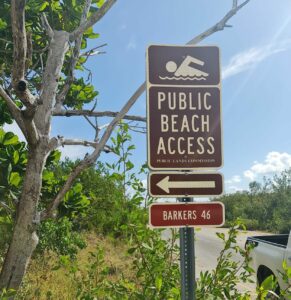
When it comes to using Seven Mile Beach, clearly people have been using it for more than 20 years, so under this legislation, it would appear that any part of the beach itself should always be accessible to the public.
Ensuring that access to beaches is not blocked by new development falls under the Central Planning Authority.
This remit is outlined in the Development and Planning Regulations, which state, “It is the duty of the [Central Planning] Authority to ensure that the open character of scenic shoreline land is preserved, in particular that of the beaches, and also to safeguard the public’s right to use the beaches and to gain access to them through public rights of way.”
As issues over access to beaches escalated, however, the Public Lands Commission was established in 2017, tasked with regulating the “use and enjoyment of public land by members of the public”, and protecting “the right of access to and use of public land”.
Despite the various entities, legislation and regulations that govern beach access and use, there appears to be no written rule on exactly how much of a beach is for the public.
When the Compass reached out to the Department of Tourism about its guidelines, a spokesperson referred us to the Public Lands Commission, but noted that commission had confirmed to the department that the guidelines the DoT had issued were “unchanged”.
Related Videos









I do not see what the problem is. I walk the beach 4 miles almost every day. The condos and hotels have chairs out near their buildings and the open beach near the water often has locals sitting on it. I assume that there are some small areas that are in drought but most of the beach seems to work OK
Once a highway always a highway; once a beach always a beach. There should not be any roped areas on the beach. Every beach access should have a public shower.