


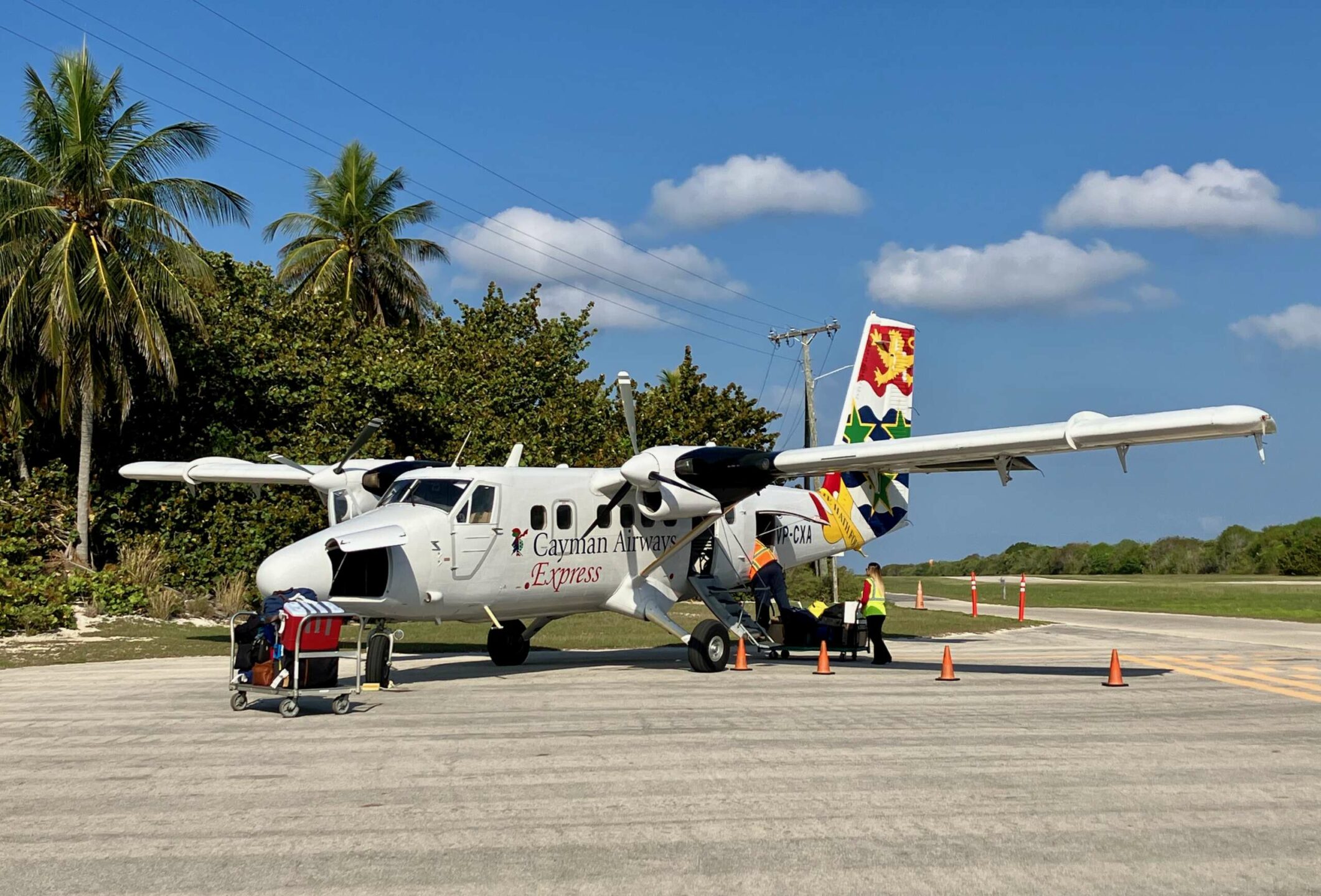
As the Twin Otter prop plane descends into Little Cayman, tourists shoot cell-phone videos of the pilots at the controls. Through the cabin windows, the turquoise sea laps against the soft white sands, fringing the thick green interior. Carefree cyclists meander in the traffic-free road that runs alongside the runway.
If Grand Cayman has become a ‘paradise lost’ amid a rash of development in recent decades, it is easy to see why some are turning to Little Cayman as a ‘paradise regained’.
The enthusiasm that many people – especially those ‘across the pond’ in Grand – found for the sleepy little sister of the three-island territory during COVID remains alive and well in its aftermath.
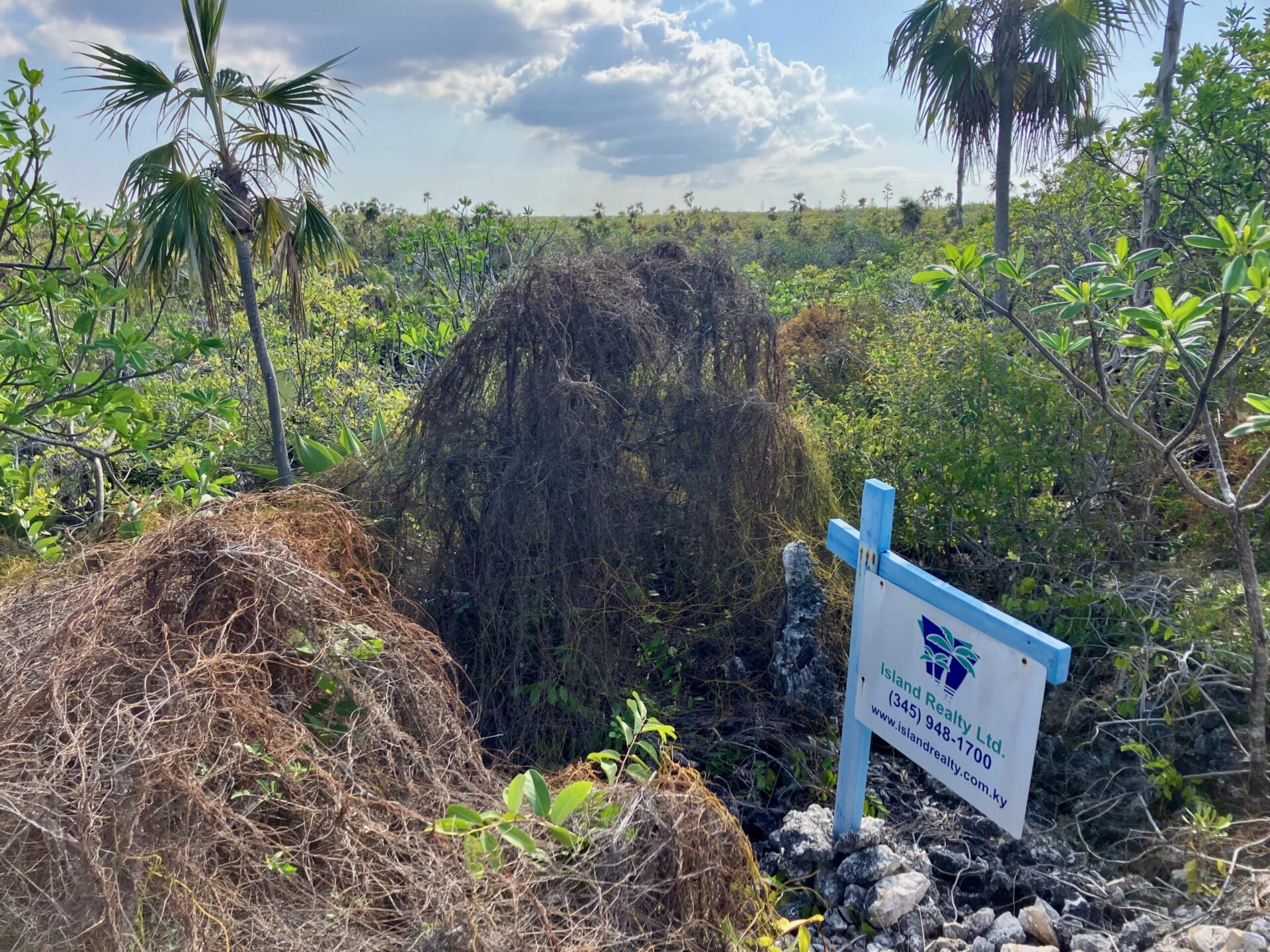
The evidence is there in the brightly painted real-estate signs, regular as mile-markers on the road from Blossom Village to Point of Sand.
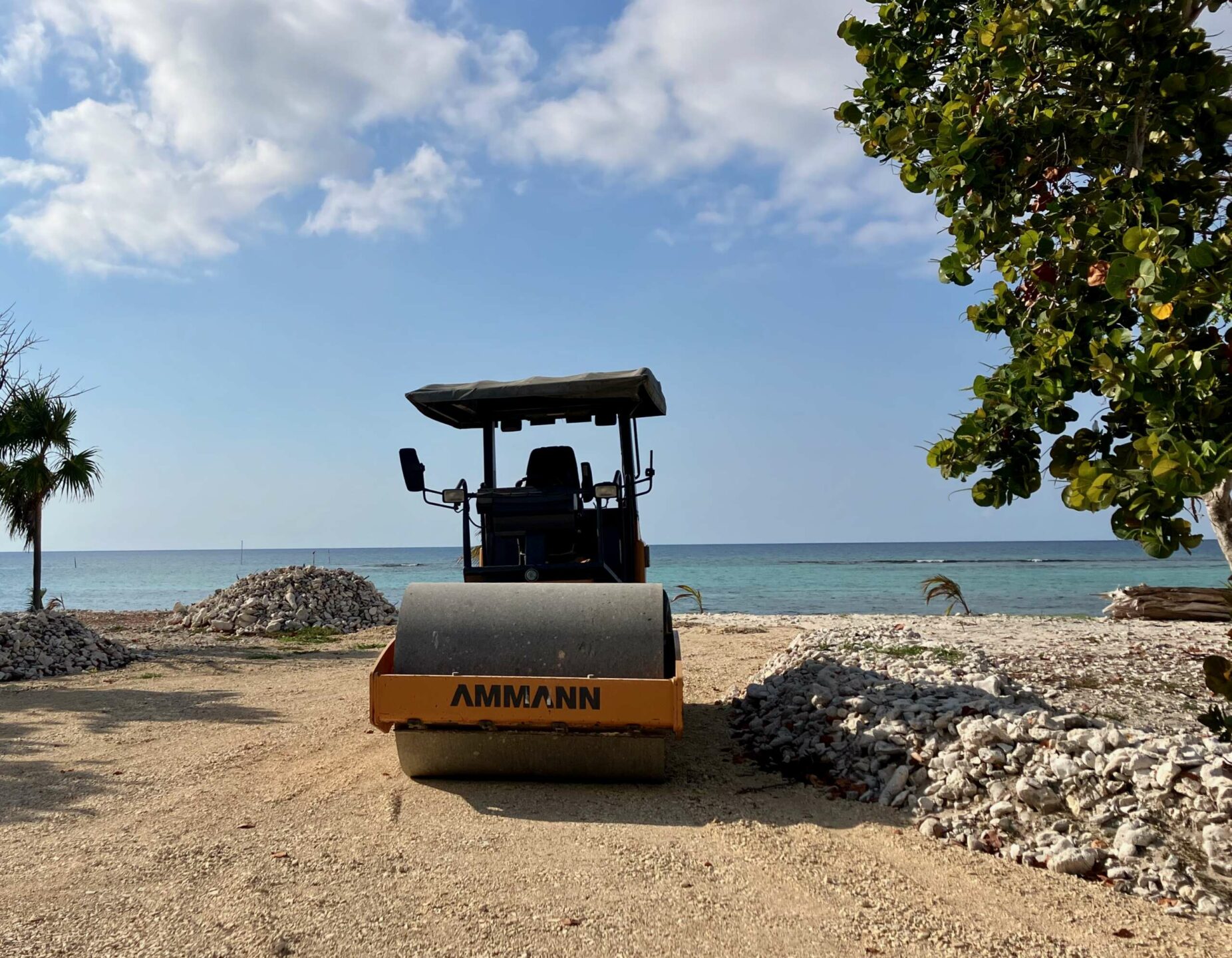
It’s there in the construction work going on across the island, as homes go up on newly cleared lots. It’s there in the agenda of the Development Control Board, where two new resort projects are being considered. And it is there, too, in the intensifying debate around a new airport and the impact it could have on the island.
COVID’s impact
A short walk away from the current air strip at Paradise Villas, Marc Poitier is busier than ever. Business is booming at the hotel, at the neighbouring Hungry Iguana restaurant and at his property management business.
But he looks toward the horizon with concern as well as enthusiasm. With the territory locked down during COVID, many visitors from Grand Cayman ‘discovered’ the charms of Little Cayman for the first time. The upshot of that has been rising property prices, increased land sales and a new thirst for development.
“I think in 15 to 20 years, for better or worse, we will look back on COVID as the thing that moved Little Cayman up a notch,” he said.
“There’s a tipping point somewhere. I am not sure exactly where that is or how fast we get there, but we have to be careful.”
Poitier points to Little Cayman’s current development ‘boom’. Four houses going up at the same time might not seem a lot, but the island is used to one or two a year for the last several decades.
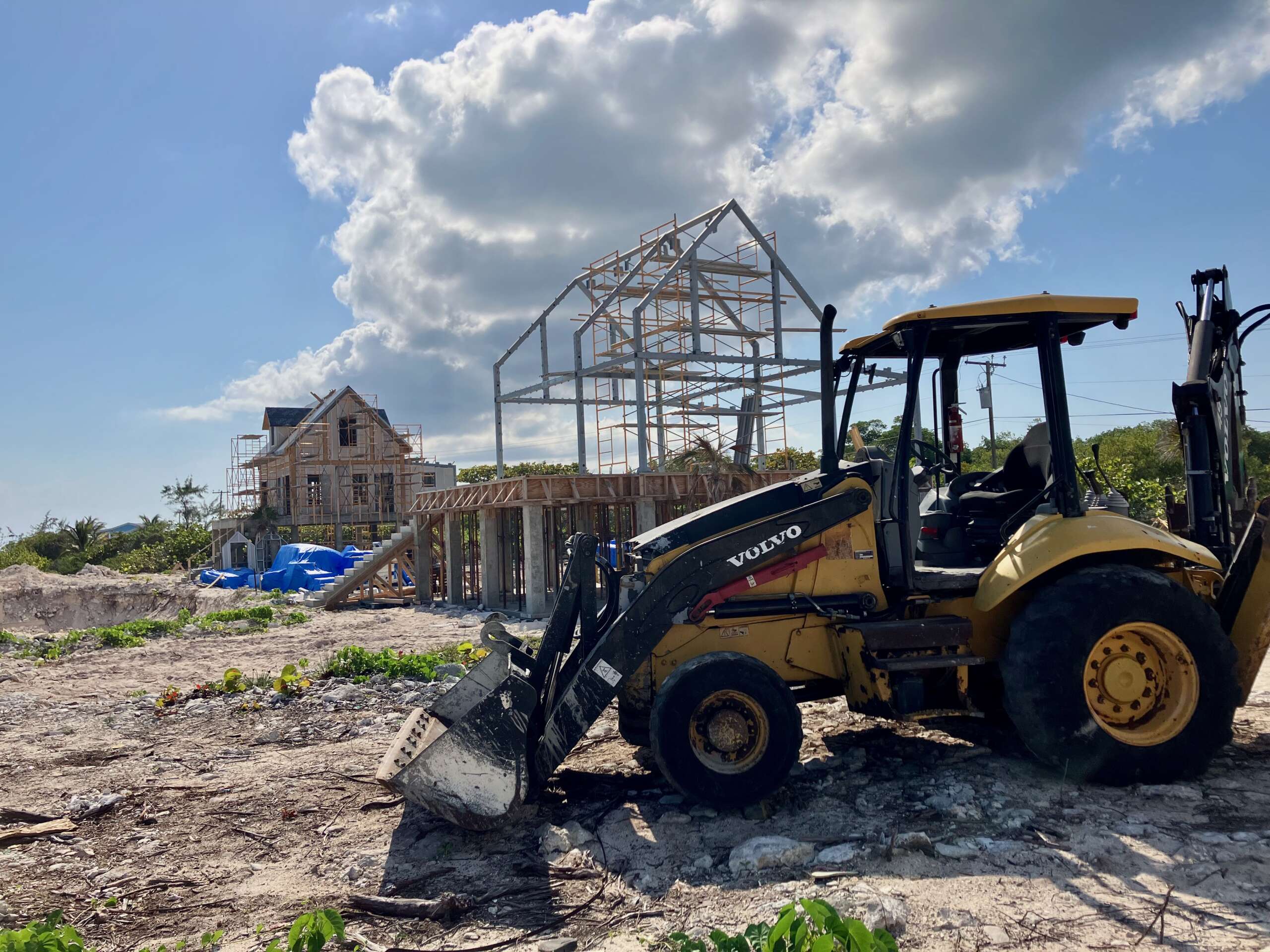
And realtors believe the pace of new builds would be higher if there were more contractors on the island.
Cayman Islands Real Estate Brokers Association stats point to a significant growth in transactions and property prices over the past three years after decades of stagnation.
Almost all of the beach-front land has been sold, and, when finished homes go on the market, they are snapped up within weeks.
Since the pandemic, annual property sales have averaged between 40 and 50 transfers a year, compared with fewer than 10 transactions annually prior to 2020.
Bottlenecks
There are bottlenecks in the system – airlift, availability of materials, staff housing, shipping – that are putting a handbrake on growth.
That leaves Poitier and other businessmen on Little in a difficult position. They would like to see those resolved, but are cautious about what they wish for.
“We would like to see improvement of infrastructure and airlift in a way that doesn’t involve a whole new airport,” said Poitier. “We need things to improve for the people that come here and live here without opening the floodgates for over-development.”
For Poitier and Peter Quilliam, the Sister Islands Tourism Association president, who runs a car rental business in the office next door, the requests are fairly simple.
They would like to see a return of the evening flight from Grand Cayman to the schedule and they would like guests and their luggage to make it to the island on time. They campaigned successfully for Cayman Airways to consider purchasing a new Twin Otter to ensure the island is not left without air service during maintenance, as it was for brief periods last year.
Air service
The Cayman Islands Airports Authority is contemplating building a new facility on the island, amid concerns about the legal status of the current air strip.
And while some increase in airlift is welcome, says Quilliam, the hope is that change won’t come at a faster pace than people want.
“With the third Twin Otter on its way, we can bring more people to the islands without the need to build a large new airport that would destroy huge areas of delicate ecosystem, and would also promote larger developers to start clearing land for bigger hotels, something that our current member base are opposed to.”
He said the SITA membership supports more tourism and even some development, but not at the expense of what makes Little Cayman unique.
“Retaining its natural beauty and rustic charm, Little Cayman remains quaint, simple and the perfect place for people to get away from traffic and noise and the hustle and bustle of life in the States and, for that matter, Grand Cayman,” he said.
New resorts
Concern over the pace of development is a familiar refrain in the minutes of the Development Control Board, where plans for a new resort at Kingston Bight and a smaller chalet development on a tiny parcel of land in Blossom Village are up for debate.
The initial controversy around Kingston Bight surrounded plans for over-the-water bungalows, which were rejected by Cabinet following a Coastal Works Application.
The minutes of the Development Control Board record objections from neighbours to the project as a whole, including the potential impact on the marine park.
One warned of the danger that “the pristine marine life that once made Little Cayman a Crown Jewel of the Caribbean will no longer exist, and Little Cayman will truly be nothing special”.
The development was eventually modified and no longer includes over-the-water bungalows.
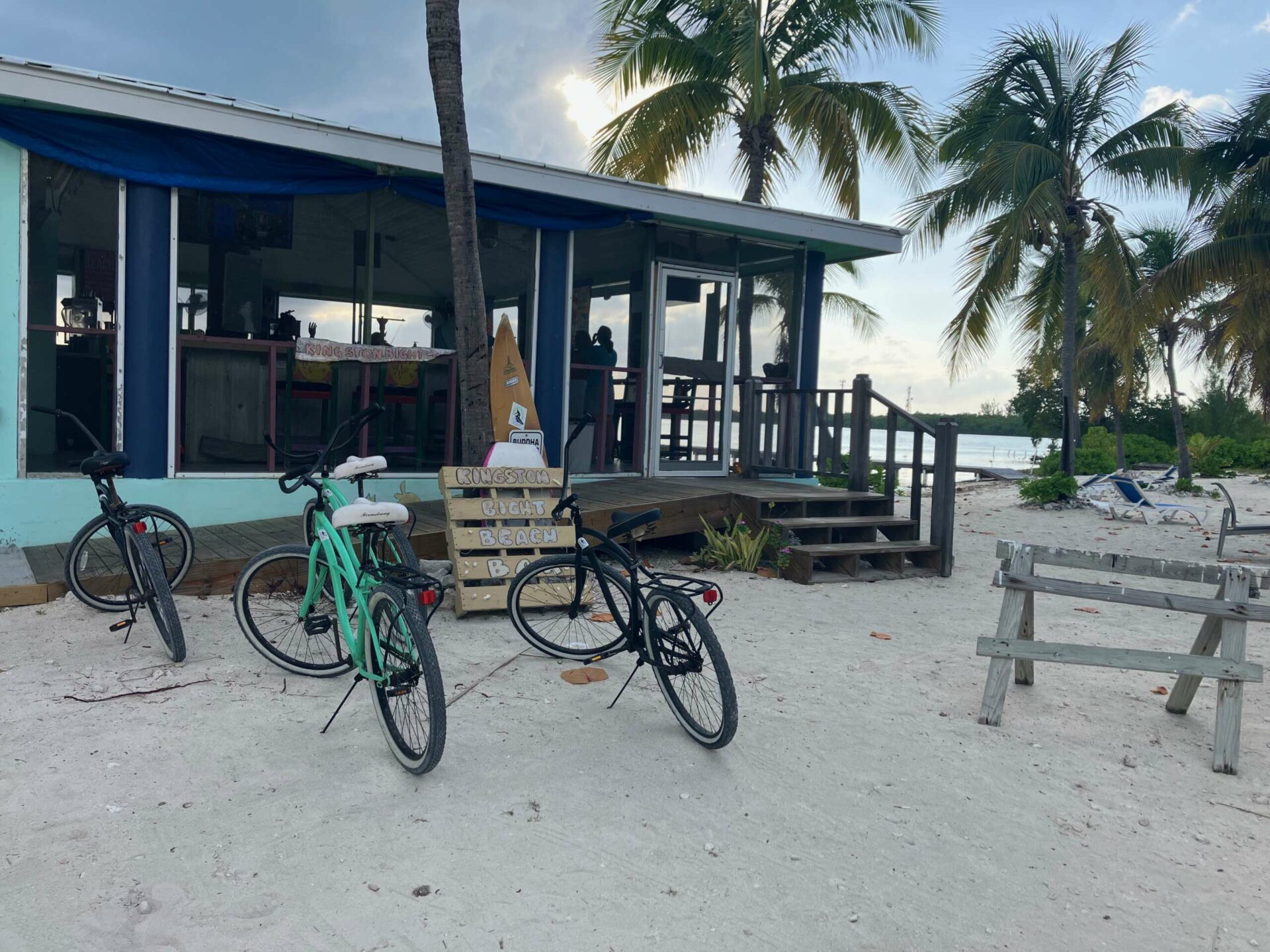
The planning board heard representations from Peppercorn Investments and objectors for the land side of the development, listed as a $34 million beach resort and wellness spa at a meeting in March of this year.
The Department of Environment raised concerns about the size of the project, which features 18 two- and three-bed units, as well as a restaurant, bar and gym.
At the same meeting, LC Land Ltd defended its application for six cottages, a club house and a pool on a parcel of land opposite Booby Pond Nature Reserve. The development is for the beach side of the road, but has nonetheless raised concerns among the National Trust and the Department of Environment about possible impacts on the western hemisphere’s largest red-footed booby colony.
Decisions on both applications are expected later this month.
No zoning
A handful of key concerns emerge from the recent applications.
The DoE notes in each of its contributions that Little Cayman has no zoning and no development plan of any kind to help guide decision making on the appropriateness of planned projects.
Poitier and Quilliam also noted that Little Cayman is not represented at all on the Development Control Board, which is made up of people from Cayman Brac.
Added to that is a common refrain among objectors, articulating a fear for Little Cayman that it could be exposed to the economic exploitation that people who live on Little fear has impacted its larger neighbour.
“People don’t want Little Cayman and Cayman Brac to become like Grand Cayman,” one objector stated in opposition to the LC Land development.
In a separate submission against the now discarded plan for over-the-water bungalows, another objector wrote, “We urge you to protect what makes Little Cayman special — its unspoiled marine life. This pristine, unspoiled marine life no longer exists in Grand Cayman, and that begins and ends with development in the name of economic growth.”
UNESCO bid
The different approaches to development that impedes on the marine park versus land side construction speaks to a split system, where there is robust legal protection for the marine environment and limited constraints on what can be contemplated on land.
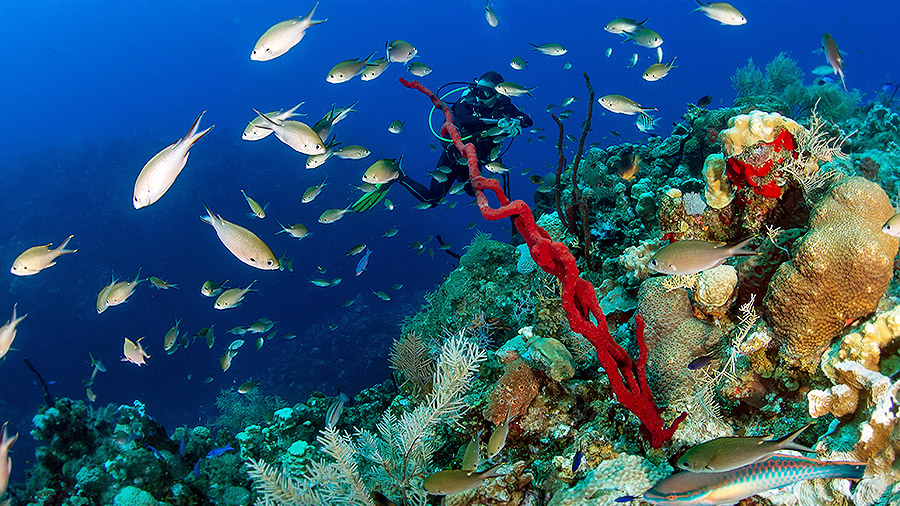
Peter Hillenbrand, the owner of the Southern Cross Club and a founder of the Central Caribbean Marine Institute, faced that challenge when he began to contemplate his submission for Little Cayman to be a UNESCO world heritage site.
“There’s no tourism plan, no development plan, no zoning plan of any kind. Without that, we can’t even apply for the land part of it,” he said.
He restricted the application to the marine parks and protected areas, which benefit from some of the tightest conservation laws in the world.
He hopes the UNESCO bid, if successful, will incentivise government to put similar controls in place to ensure development on the land side happens in a sensible and sustainable way.
“Right now, the land is vulnerable to exploitation. I am extremely concerned that the Little Cayman I know and have fallen in love with since I was a kid could disappear pretty quickly,” he added.
“There aren’t many places like Little Cayman left. They have all been exploited and developed.”
Solar plan
Moses Kirkconnell, the MP for the area, said the UNESCO application was an exciting development for Little Cayman that dovetailed with plans from the Dart-owned power company to expand solar energy on the island.
He believes there is potential for carefully managed growth on the Sister Islands and would like to see the airlift sorted out.
He described the decision to bring in an extra Twin Otter as a good step but a ‘Band-Aid’ solution, and cautioned that something may need to be done to improve airlift in the long term.
The Cayman Islands Airports Authority masterplan calls for a new runway on Little to help the airfield meet international safety requirements. Kirkconnell sees an opportunity for a discussion around manageable growth for the island as an eco-tourism destination.
“The next steps for Little Cayman very much depend on who you talk to,” he said.
“The community has to decide what sustainable growth means for the island.”
Related Videos








Please, please, please, do not be sorry after the fact. This entire little piece of paradise should stand on its own. The last little bastion that man has not managed to destroy. Please stand firm and protect this little piece of heaven from greed.
I repeat my post on April 27, 2023:
Please, please, do not be sorry after the fact. This entire little piece of paradise should stand on its own. The last little bastion that man has not managed to destroy. Please stand firm and protect this little piece of heaven from greed.
Just to “be concerned” is not good enough. People must take a stand and hold the politicians and departments accountable for protecting this paradise. I am “worried.”