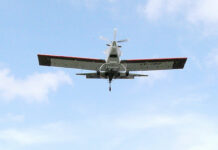
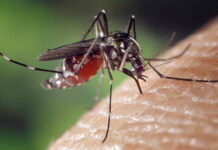
Mosquito Research and Control Unit Director Alan Wheeler says Cayman’s mosquito problem is likely to continue if a second pilot is not found soon to help fly the islands’ first line of defence against the surging insects.
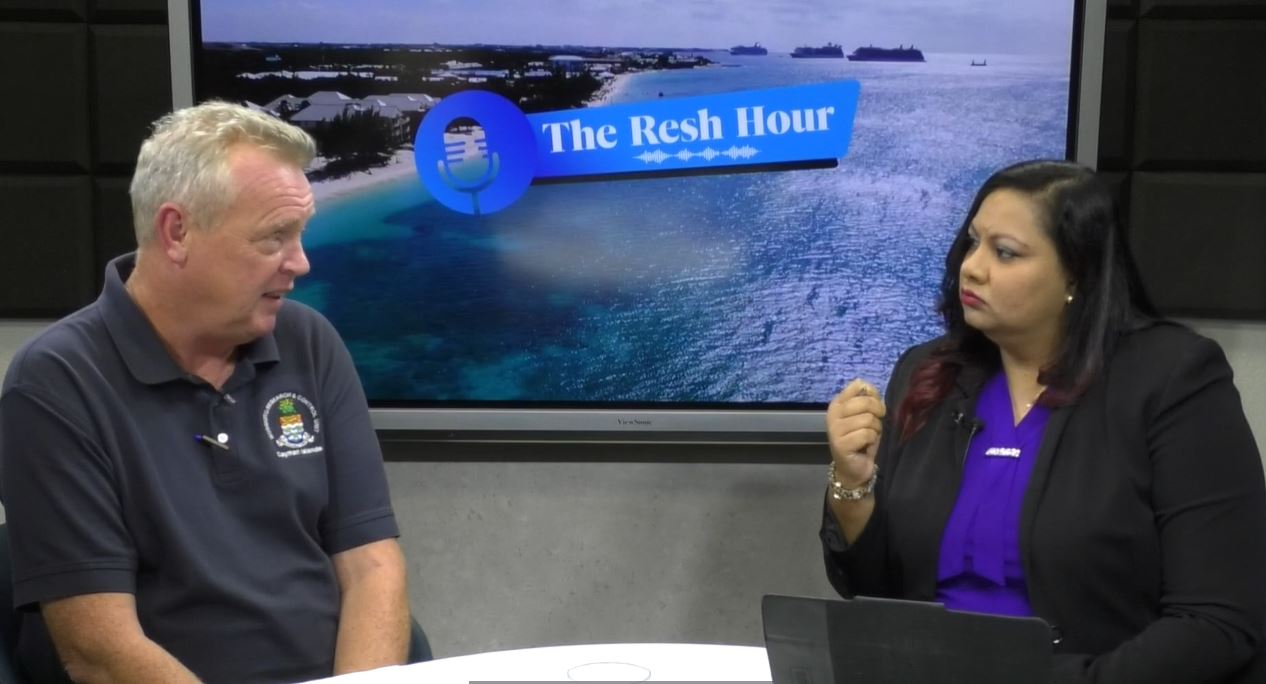
Wheeler, speaking on the Cayman Compass weekly talkshow ‘The Resh Hour’ on Wednesday, said he and his team are doing the best with the resources at their disposal, but there is an urgent need for a second pilot to help get the problem under control, especially as the rainy season looms.
“Any failure that you see now, it’ll be amplified further down the road,” Wheeler said, adding that even though the MRCU has mosquitoes under control right now, “the next time it rains, and the rainy season is very close to us, I’m expecting a major mosquito problem”.
He said the species that is surging at this time is the black salt marsh mosquito, which means cleaning stagnant water from around homes will not affect the numbers of that insect.
However, he said, that action will help with the Aedes aegypti mosquito, which breeds in stagnant water.
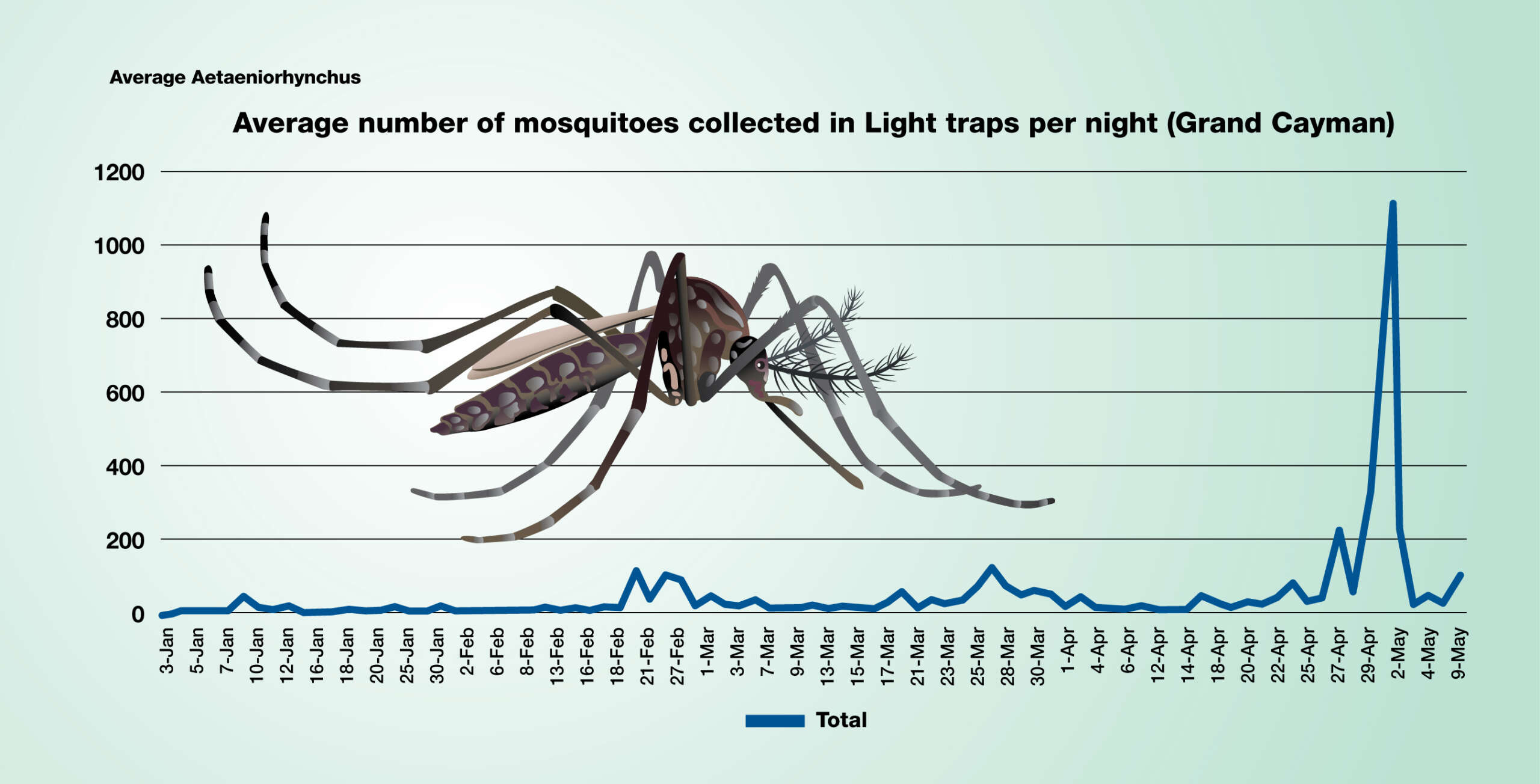
Peak of 1,200 mosquitoes per trap
The absence of a second pilot, as well as both MRCU planes sidelined at the same time, coupled with the king tides in mid-April, he said, led to the recent explosion of mosquitoes.
Up until 27 April, Wheeler said they saw “very low numbers” of mosquitoes, with an average of fewer than 200 being caught in each of the MRCU traps. That average then increased sixfold, to up to 1,200 mosquitoes.
“That’s unacceptable biting levels,” he said. “When it’s like that, the public are getting bit severely, it’s going to be affecting animals. Even though the numbers peaked, they got very high, [and] we’ve now brought it largely under control.”
Wheeler said traps on 10 May averaged 4.6 mosquitoes, which is “quite good”.
However, that may only signify temporary relief, with just one pilot available to shoulder responsibility for the aerial spraying.
It typically takes 12 days for mosquitoes to emerge from eggs to grow into biting adults, he explained, which means it’s only a matter of time before people face another surge because, when the planes were out of service, many eggs were laid.
“These mosquitoes have been around for some time because we didn’t have the ability to control them quickly. They’ve been laying eggs, so the number of eggs out there right now is going to be quite high… [and] at some point in the future those eggs are going to hatch,” he said. “There will be more mosquitoes coming off this year without doubt… hopefully we’ll have a second pilot in place to help us deal with that problem.”
Wheeler called it a failure on the part of the department that the mosquito levels got to where they were, “but we don’t have the resources that we need in terms of aircraft”.
The Ministry of Health and Wellness, he said, has been great with budgeting, “but it doesn’t matter how much money I have available for insecticides; if I cannot apply those insecticides, we’re going to have a mosquito problem”.
He said, from 11 April to 1 May, the MRCU had no aerial support at all; however, he praised the ground crews for their efforts to keep the mosquitoes at bay. “We have people working seven-and-a-half-hour days and then… continuing to fog for us for three or four hours and that’s been continuous.”
Nellie Pouchie, chief officer for the Ministry of Health and Wellness, in a press release issued last month on the mosquito problem, said the “MRCU currently has 1 full-time pilot, and is looking to fill the vacancy for a second pilot in order to ensure that aerial operations are properly resourced. Recruitment of an additional pilot is currently underway.”
Pouchie added, due to “the proximity which the aircraft flies in residential areas, and the modifications of the airplane to ensure that it meets the changing needs of MRCU’s control operations, this post requires an experienced pilot, so recruiting the person with the necessary skills takes time”.
However, Wheeler said, since he became MRCU director in 2021, there has been only one pilot to conduct aerial spraying and a single aircraft at any one time.
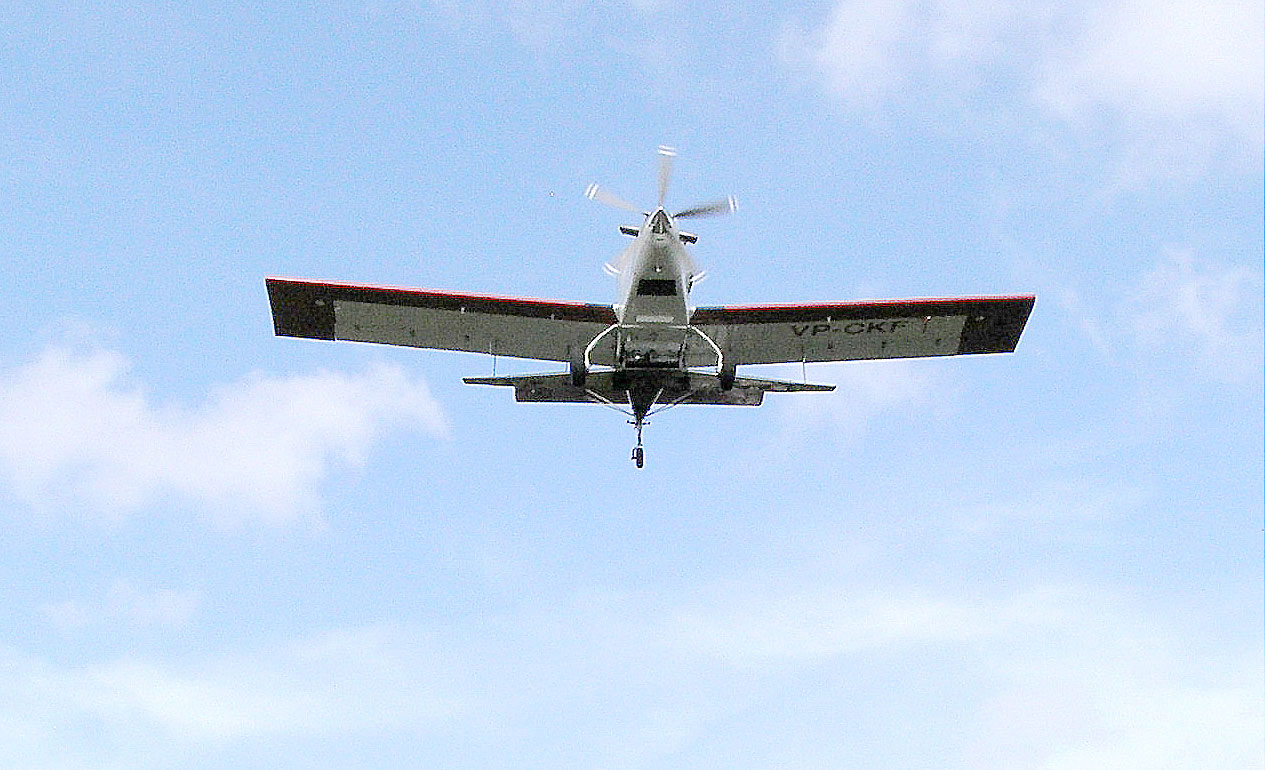
He said, over the last two years, he has written at least 30 emails calling for recruitment of a second pilot.
“I’ve been, truthfully, quite panicky about it because I know that, without aerial support, I can’t do my job properly… and we are seeing the impact of that,” he said.
Wheeler added that he supplied resumes for consideration of at least five pilots showing interest, but there has been little movement in the recruiting process.
He said that, under his job description, the chief officer has the responsibility as accountable manager for the MRCU aircraft section, and since the chief pilot’s retirement in 2021, he was not aware of any efforts to advertise the position.
“I was assured this time last year that I would have a [second] pilot for the start of the season and I’ve been issued the same assurance this time around… for the start of the season, but that’s coming up real soon,” he said.
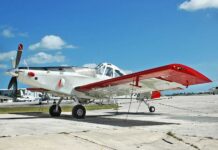
The sole mosquito plane, he added, has been sent to Cayman Brac to spray the Sister Islands, which leaves Grand Cayman without air support.
However, he said, the MRCU is not predicting any new mosquito emergence for at least the next 12 days.
“I believe we can deal with upcoming mosquito problems. What we do need to do is get the residual larvicide down before the start of the rains. I can’t predict when the rains are going to come but I do know it’s a matter of urgency once that plane is back from the Sister Islands, that we start working on our residual larvicide operations,” he said.
Related Videos