Though the national Climate Change Policy is not intended to be legally binding on current or future governments, those working on the document hope this will change when the weeks-long public consultation process ends.
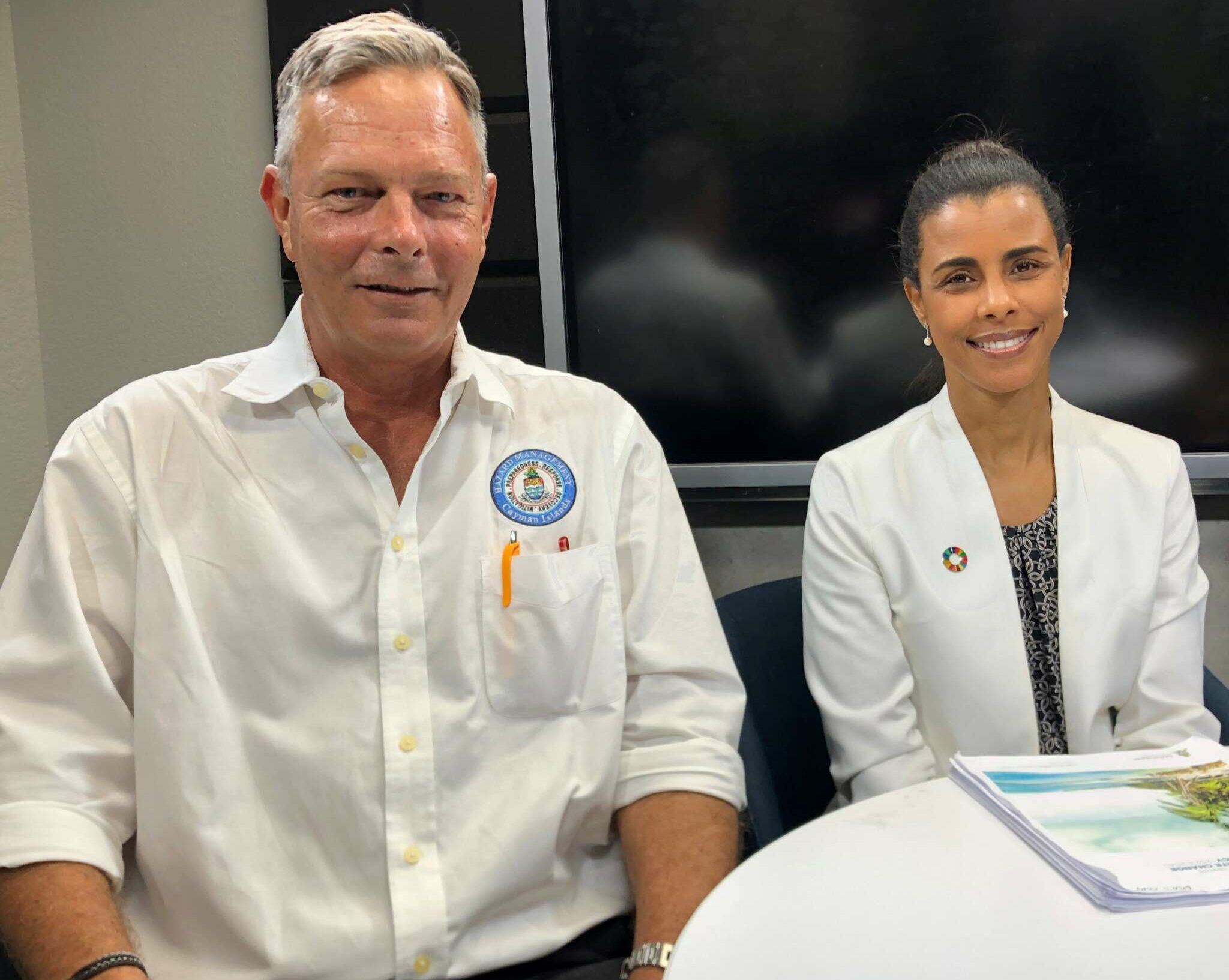
Given the urgency of the impact of climate change Senior Policy Advisor for Environment and Resiliency, Lisa-Ann Hurlston-McKenzie says she hopes governments will commit themselves to following through on the document’s recommendations and ensure elements of the policy are included in existing or new legislation.
Speaking on the Cayman Compass talkshow, The Resh Hour on Wednesday, she said the future of the island depends on following through on the policy’s goals.
“We have to have a policy because the country has no policy to guide the direction, not just for this administration but for the successive governments over the next 20 to 30 years [during which] we will be continuing to see some of these very critical climate risks,” she said.
Hurlston-McKenzie said the draft policy “stops short” of seeking climate change-specific legislation, because the committee did not want to be “presumptuous” in recommending one.
However, she said the suggestion to create a formal climate change law did come out of the consultations.
She agreed that if there is a groundswell from the community for legislation to formalise Cayman’s climate change goals, then that will be something for government to consider when the policy moves to the next stage.
She said the committee working on the policy looked at the updated UK Climate Change Act and other pieces of legislation which could be used to help craft a Cayman-specific law.
Council proposed to ensure implementation
Chapter Five of the policy, she said, speaks to the actual proposed governance framework for the document, which includes creation of a council to oversee the implementation of the strategies and to have “as much as” possible enshrined in existing pieces of legislation.
However, she said it was still up to Cabinet to accept the policy recommendations and move the strategies forward, including the formation of the council.
Some 100 strategies have been outlined in the policy which sets out short-term and long-term objectives to be addressed over the next 17 years.
Having a council to oversee it would ensure continuity between governments, Hurlston-McKenzie added, saying that the council will be expected to implement the policy and find funding to carry out its goals.
‘Evidential’ data in the works
Hazard Management Cayman Islands Public Awareness and Education Officer Simon Boxall, also speaking on Wednesday’s show, said the United States Agency for International Development (USAID) programme will be funding Cayman’s storm surge modelling. which will help provide the “evidence” basis for the climate change policy.
That work, he said, will commence shortly and will move the needle forward in terms of providing Cayman-specific models to also track climate-change impacts.
He said once this information is in hand, Hazard Management will get a tsunami risk model for the Cayman Islands in September.
The modelling of extreme weather scenarios and their impacts on storm surge and waves is expected within 12 months.
Boxall said Hazard Management could use the data, from the US National Oceanic and Atmospheric Administration, to create credible risk maps for various storm scenarios in Cayman.
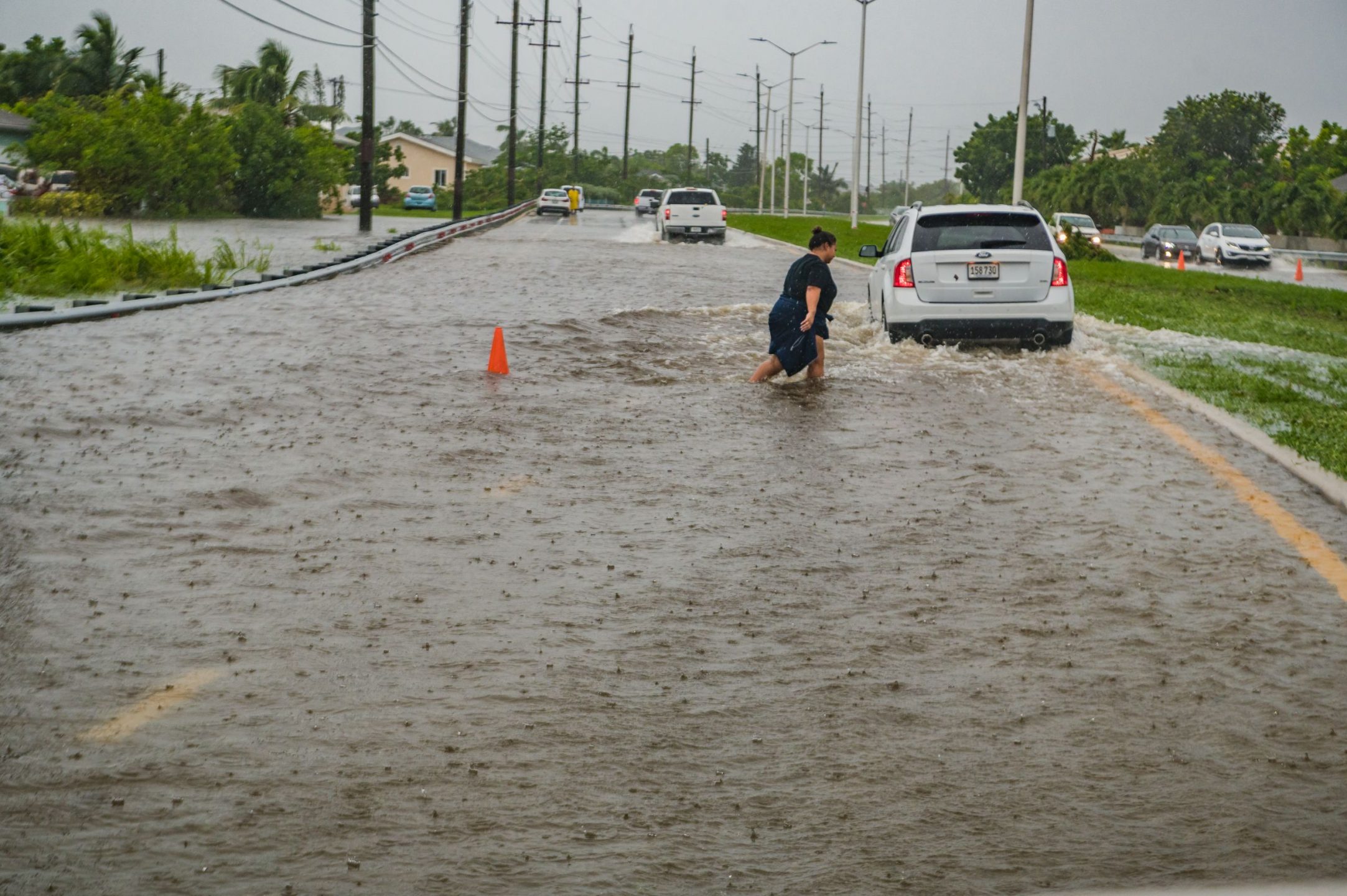
He said there has already been a change with the Planning Department that says risk maps should be considered in development decisions.
“If we build these risk and vulnerability maps based on evidence, then they got to be taken into consideration. So that’s a huge step already,” he said, adding that those risk maps will not only provide data on storm surge and wave impacts, but it will also look at the chronic issue of the groundwater rising, flooding and sea level rise.
Previous effort to pass policy
Both Bothwell and Hurlston-McKenzie were involved in the formulation of the previous climate change policy back in 2011.
It has remained on the shelf since then. Both believe that this time there is commitment to do something to safeguard the islands.
Though they agreed Cayman is playing “catch-up” on the issue, they say having the community involvement in the policy and the political will to move it forward will ensure the islands’ resilience for years to come.
Boxall urged the community to be part of the process and send their comments to the committee.
“It’s not just talking; now this is it’s time to get on. So we need this to happen. So, please, give us your encouragement and chip in with some feedback.
“You’ve got a little bit of time if there’s something you really want us to work on, that you feel is an urgent priority, let us know now.”
The consultations end on Friday, 30 June, at midnight.
Comments can be sent via email to [email protected] with the subject heading ‘Climate Change Policy Public Consultation 2023’ or through the survey.
Related Videos