

While the general consensus in Cayman is that the islands are still a safe place to live and work, residents who recently spoke to the Compass on their fears about crime, and their experiences and encounters with armed robbers, say more should be done to catch the offenders and deter others from breaking the law.
Due to the sensitive nature of this report, the Compass is not releasing the names of the people interviewed.
These are their stories.
‘Fright and fear’
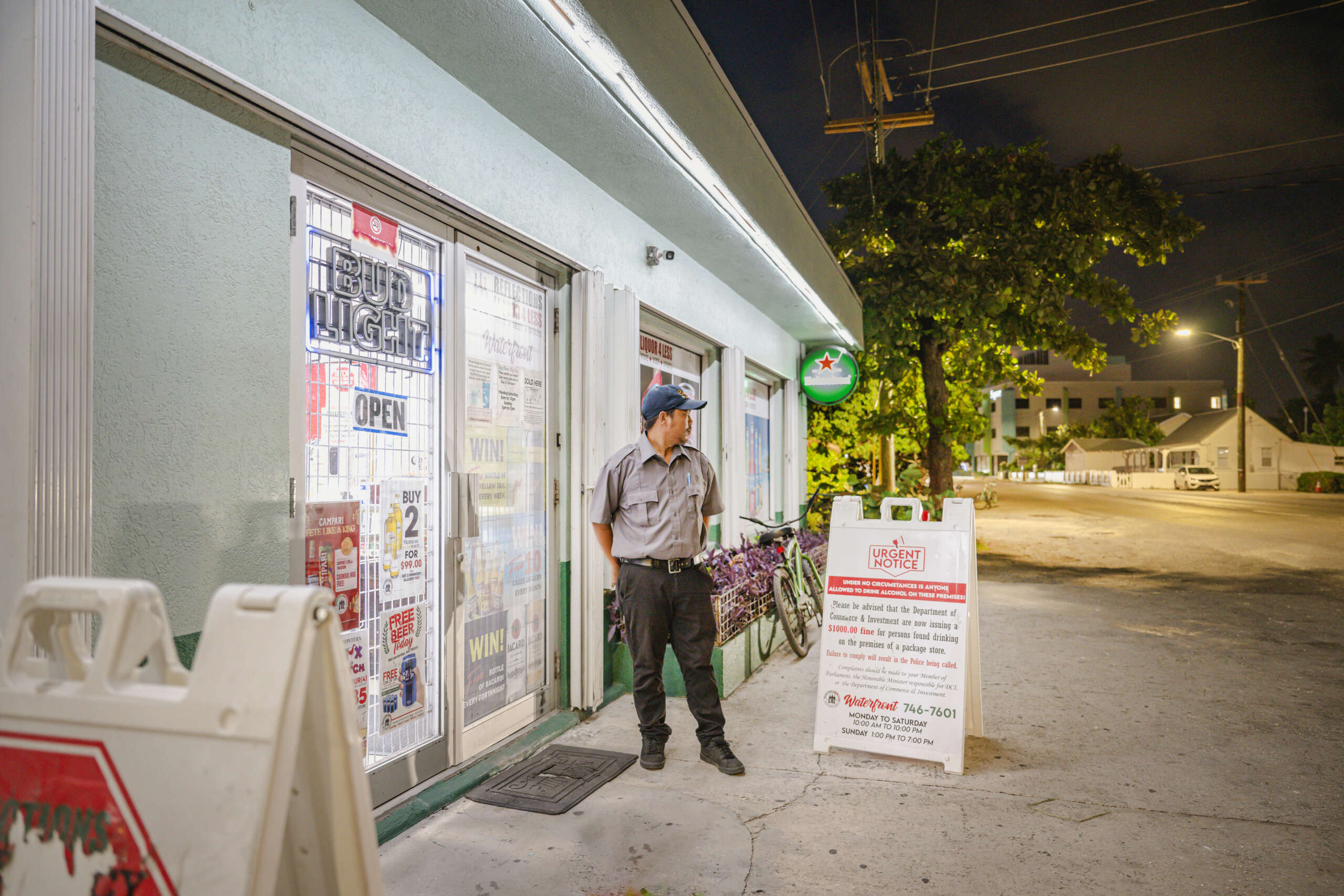
Under a moonlit summer’s night sky, outside a 24-hour convenience store in George Town, a handful of customers patiently wait for a cashier to release the electromagnetic lock on the front door and buzz them in.
The women, with their handbags gripped close, keep a wary eye for any signs of danger, while the men, with clenched fists, guard their phones, wallets and other valuables.
It’s 9pm and, inside, cashiers are changing shift.
With nervous glances at the store’s CCTV, the outgoing cashier hastily scrapes loose change and a quantity of small paper bills into a waterproof money bag, before hurrying off to stash the day’s take for safe keeping.
“I’ve been robbed twice, once with a knife, and the next time at gunpoint,” said the cashier.
When he arrived in Grand Cayman in December, he quickly embraced the island’s tranquil and easy-going lifestyle. Seven months later, he has been left so traumatised by the robberies, he can no longer work late-night shifts.
“I come from a country with political corruption and a bad economy, but I’ve never been robbed or had a gun pointed in my face,” he said, as he recalled the terrifying ordeals.
“It was late at night, and I couldn’t see their faces because they were blocked by a section of tinted window, but I didn’t think anything of it because I could see they were wearing construction pants and boots, so I let them in,” he said. “When they came in, I realised they were wearing masks and one of them pointed a gun at my head.
“’Give me the money,’ he told me, so I just put my hands up, lowered my head, then opened the till and they took the cash.”
The lingering fear flashes across his face as he recalls the robbers asking for more money.
“I kept telling them, ‘Look for yourself, that’s it, there isn’t any more, that’s all I have,’” he said.
Security measures not effective deterrents
In recent years, businesses have deployed a slew of security measures, with the hopes of deterring criminals.
“It does work sometimes, but, really, criminals are still finding their way around it,” the cashier said. “They wait for customers and rush in behind them, some use sticks to keep the door from locking them in, others have friends to hold the doors for them. So, no matter what you do, they always seem to find a way.”
But these security measures are expensive and serve as an additional tax on businesses.
“Can you imagine putting all these things in place, only to still get robbed, and for the criminals to still get away?” asked the cashier. “What sense does it make?”
Robberies on the rise
Compass records show that between 1 Jan. and 7 July this year, there were 26 reported armed robberies, two more than the 24 reported during the same period last year.
But a more troubling detail is that some robberies do not appear to be reported. In some cases, it’s because hold-ups may be occurring at premises where gambling activities are going on, while in others, it may be because the victims don’t feel like it’s worth reporting to police.
The Compass is aware of one recent incident in which a waterfront business was robbed by a man on a bicycle. This was the second such robbery at the premises, and the owners did not report it.
“What’s the point in calling police? By the time they get there, the robbers are gone and then it’s just a gamble on if they will catch them. Most of the time, they don’t,” said one resident who has lived on Grand Cayman for 14 years.
A search of Compass articles reveals that half of the reported robberies of 2023 have involved two suspects, with at least one of them armed with a gun.
The primary targets are small businesses which are usually struck within two hours after sunset.
To a lesser degree, robbers are also targeting people on the streets, in their homes, at ATMs and outside commercial complexes. While the weapon of choice remains a small handgun, knives are also being used and, in at least one case, a machete.
When the Compass approached the long-term resident for an interview in the parking lot of a commercial bank, he demanded the reporter identify himself before approaching him.
“You just can’t be too careful nowadays, you know,” said the resident. “I’ve had to change up how I move and be more aware, so no one can just sneak up on me, because things are getting from bad to worse.”
In press releases, the RCIPS has told of the horrific encounters that residents and business owners have endured at the hands of robbers since the start of the year.
For example, on 3 March, at around 8:30pm, a George Town woman and her friends, who were at her home socialising, were held at gunpoint after two masked men entered her yard and opened fire.
“It was reported that one of the men approached the woman, grabbed bags belonging to her, and then fired a gunshot through the roof of the tent under which the woman and her friends were sitting,” said police. “The man then departed the residence on foot with the other man.”
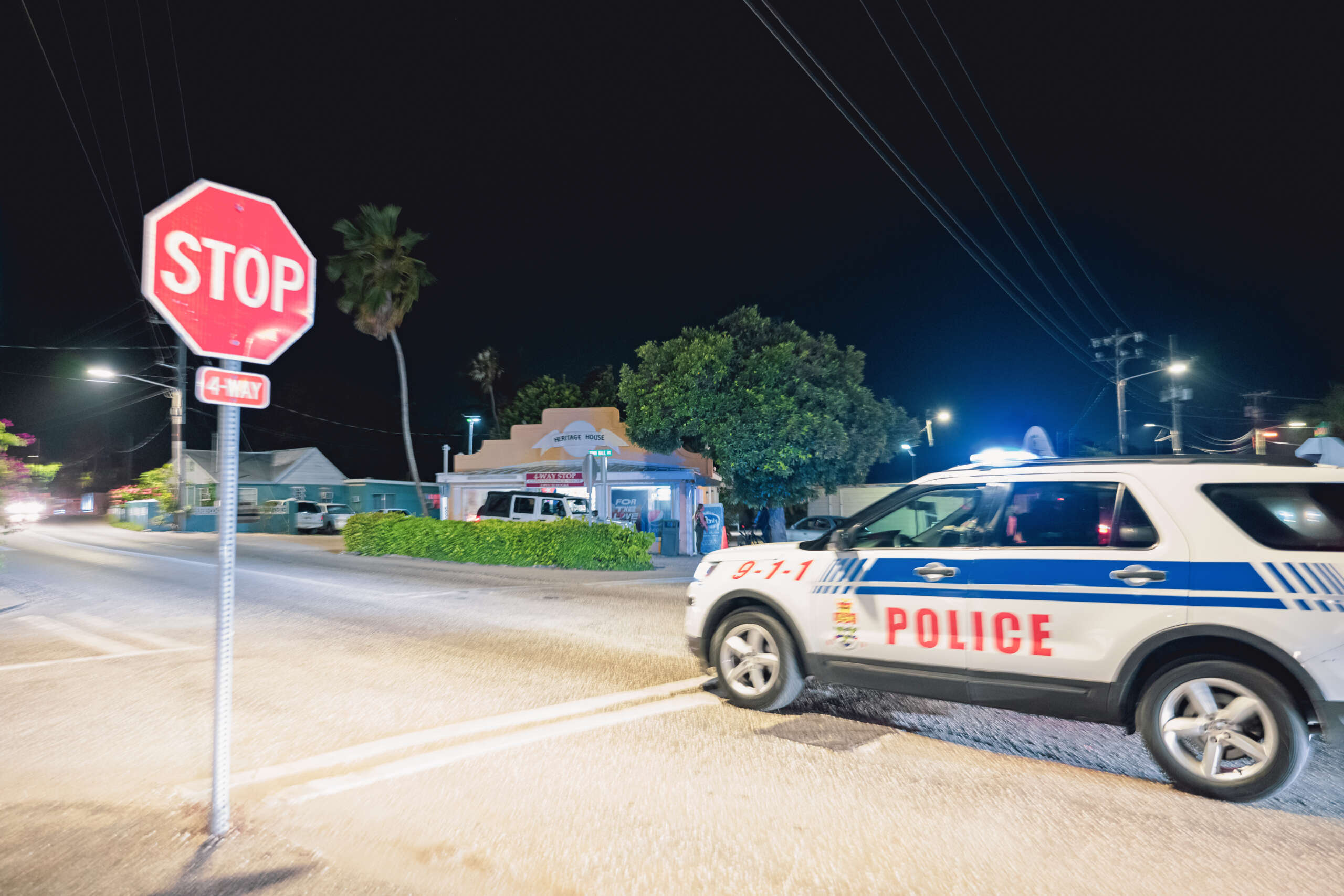
Two months and several robberies later, police were called to Eastern Avenue, where a robber shot at and chased a man from his car into a bar during a 3am robbery.
“It was reported that following a dispute inside the bar, a masked man, armed with a firearm, approached the victim as he went to leave in his vehicle and demanded his valuables,” said police. “The man used the door of his vehicle to push past the robber and ran from his vehicle in the direction of the bar, at which time the man fired at him.
“The armed man chased the victim back inside the bar before leaving and stealing the victim’s motor vehicle.”
Zero tolerance approach to crime?
The rise in crime has not gone unnoticed by Cayman’s leaders.
In a 7 July address to the country, after a meeting to discuss the robbery sprees with Commissioner of Police Derek Byrne and Governor Jane Owen, Premier Wayne Panton said his government and police were taking a “zero tolerance approach to crime”, and that an action plan was put in place to detect, investigate and stem the rising number of robberies.
This plan included deploying a task force to investigate leads and leverage intelligence to apprehend suspects; targeted patrolling of high-risk areas; maintaining a police presence on the roads; and active community patrols.
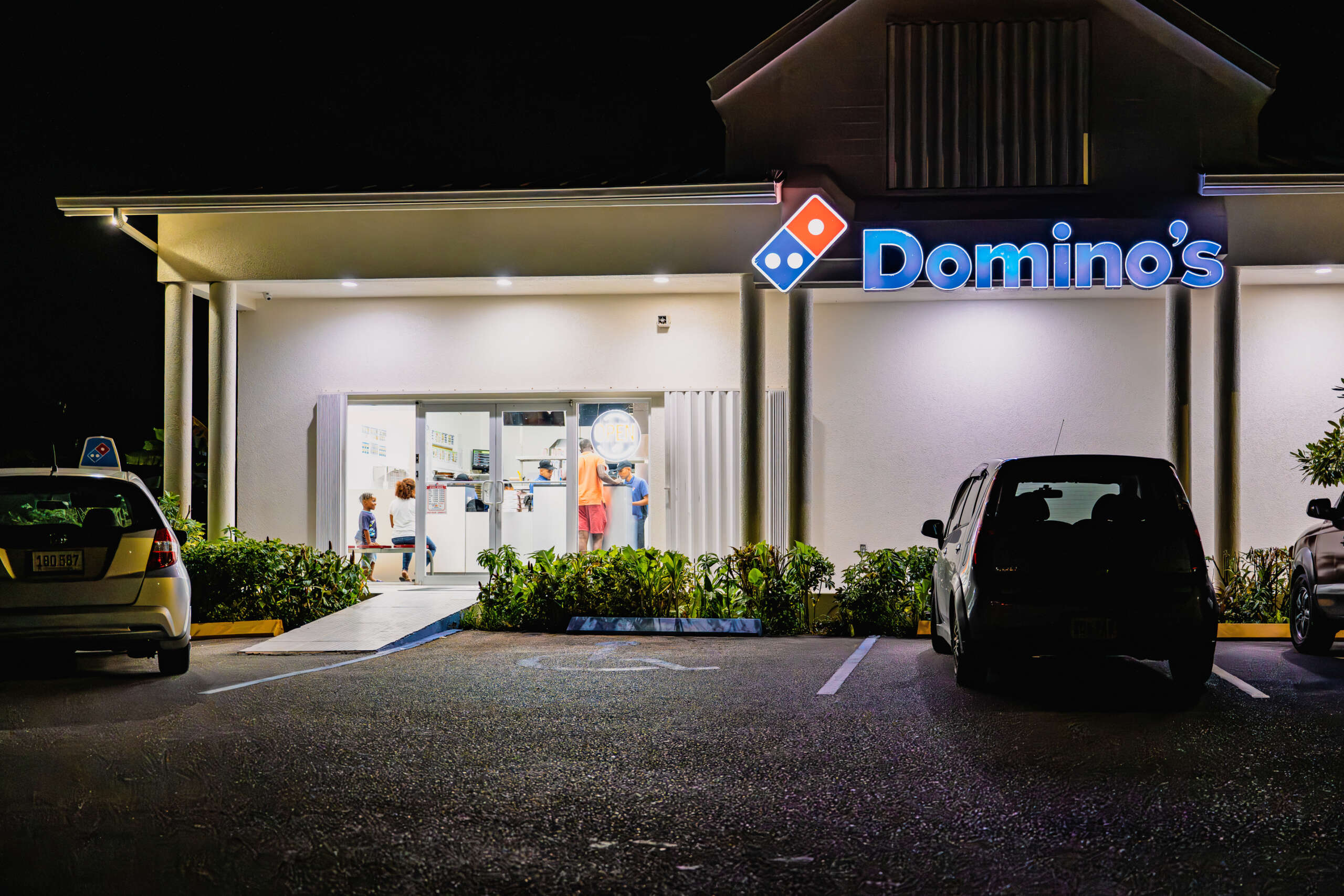
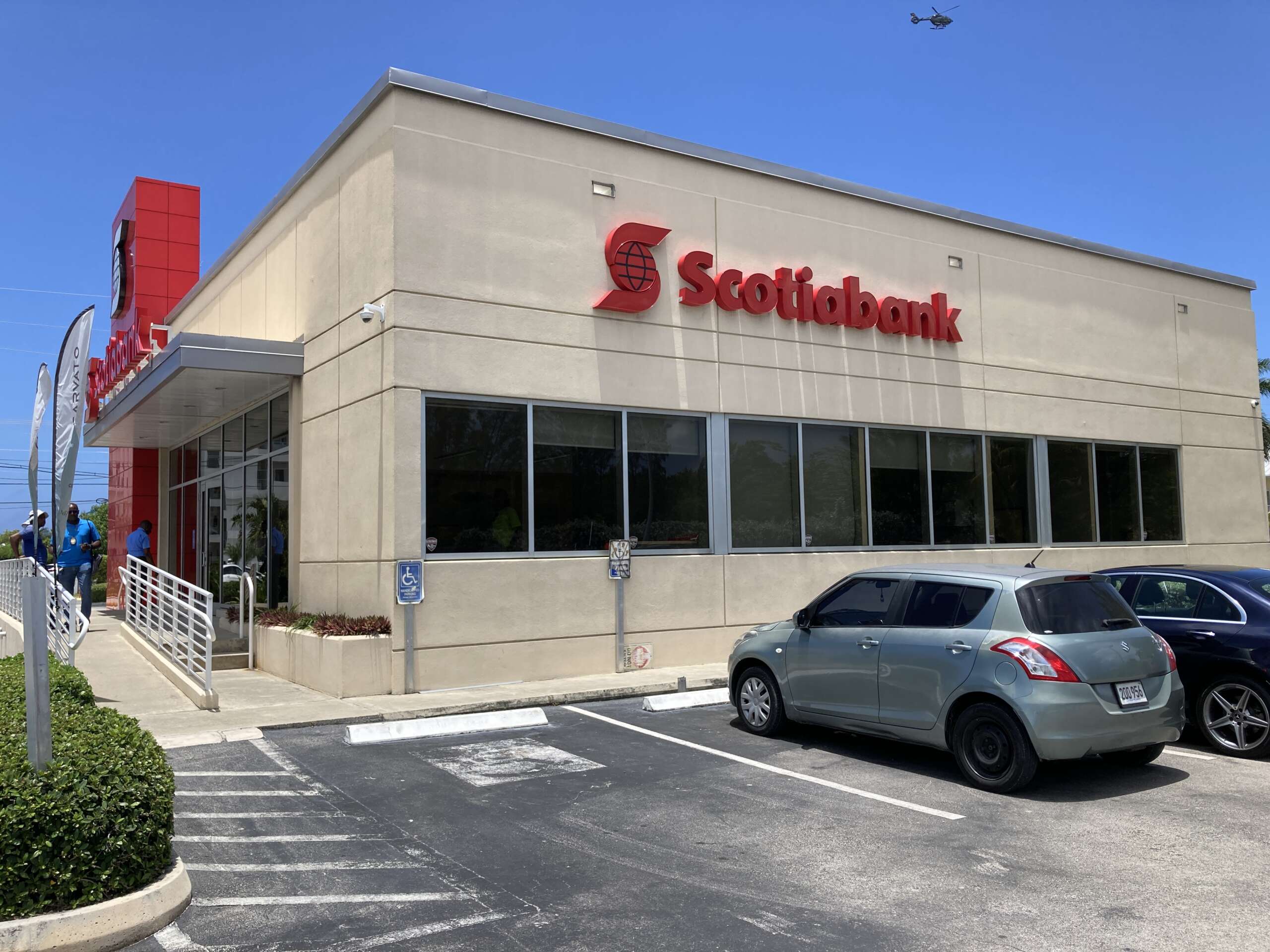
The July meeting between police and government officials came the day after armed robbers targeted three separate businesses – a Domino’s Pizza, a McRuss store and a Burger King – in a single night. In recent weeks, several other restaurants, bars, and even a bank in broad daylight, have been subjected to attempted or successful robberies.
In his 7 July address, the premier said, “The commissioner has reassured the government that the RCIPS has already activated plans to tackle the spate of robberies which resulted in four arrests…, as well as a second man being charged for involvement in the recent bank armed robbery.”
Since then, another four robbery suspects have been arrested, Panton said in a subsequent statement, on 11 July.
In that statement, he urged members of the public to cooperate with police, and come forward if they have any information about the recent crimes.
“As the safety of our people continues to remain paramount, and as we continue to improve plans to prevent further criminal activity and apprehend suspects, community cooperation is essential. We owe it to each other to be vigilant and speak up when we have relevant information,” the premier said.
Leader of the Opposition Roy McTaggart has also been vocal in recent weeks about the rise in robberies and gun crime on the island. He and his fellow MP and Progressives member Joey Hew met with the police commissioner on 10 July to discuss the issue.
McTaggart commended the police for stepping up patrols at hotspots on island, but said more needed to be done on the crime-prevention and detection front.
Police and politicians have repeatedly called on the local populace to come forward with tip-offs and information about the people behind the crimes that have been plaguing Grand Cayman lately.
“I completely agree that the community has a role to play in solving and preventing crime,” said the long-term resident. “But it’s the job of the police to help prevent these crimes, and, yes, some say they are doing all they can, but when I drive past George Town Police Station every night and see all the police cars parked at the station, then what are they really doing?”
Anecdotal observations show that police have stepped up operations, which primarily target road users during weekends and public holidays.
According to the RCIPS’s 2022 annual crime and traffic statistics, the police service has a staff complement of 404 uniformed officers, with an additional 107 civilian employees.
This small army has been funded with a budget of $54.48 million, which gives the police all the necessary resources they need to tackle the rise in crime – that’s according to the police commissioner.
Cayman is still a safe place
Along West Bay Road, Cayman’s main tourism stretch, visitors wander the streets at all hours of the night, unaware of any potential danger – robbers generally don’t target tourists. But for some residents, like a hitchhiking grocery store clerk who gets off work around 10:30pm, after public buses have stopped running, getting into a stranger’s car is a gamble.
“Most nights I walk home, but that’s like 10 miles away, so some nights when I’m really tired, I will take a chance and take a ride,” he told the Compass after hesitating to get into the staff’s car.
His fear goes both ways, as sometimes it’s the drivers who are the victims, as was the case in April and May when two bus drivers were robbed after passengers they picked up pull out a knife and demanded cash in two unrelated incidents.
“There is no doubt that Cayman is still a safe place,” said the clerk. “I’ve been [in Cayman] for nine months now, and I have heard the news and seen the videos, but when you are out on the streets, it still feels safe,” he said. “I think harder penalties should be given to these people who choose to go steal and rob.”
Criminal profile
In 2022, during which 45 robberies were reported, including 38 involving firearms, Cayman endured two separate robbery sprees. During the first one, police said the perpetrators were made up of three loosely affiliated groups of individuals who were capable of quickly and efficiently organising themselves into smaller groups to commit multiple robberies.
During the year, several individuals were arrested and prosecuted for a variety of offences. These included Alvin Shaquille Ebanks, who was convicted in March this year of using a toy gun to rob the Hell Esso service Station, at which he was a regular customer.
To help address the issue at the time, police deployed extra officers on the streets where they displayed a highly visible presence for several months.
While this tactic proved successful, those operations have since ended, and this year, robberies are escalating again. It’s not clear if the perpetrators are the same group of individuals who were involved in last year’s spree or if this is a new group.
The question on everyone’s mind is: When will the robberies stop and when will those responsible be brought to justice?
Related Videos












A major problem is that the law apparently states that a Caymanian MUST be released on bail except in the case of a capital crime, murder.
Imagine a neighbor calls the police and a criminal is arrested. What is the first thing that criminal will do when released on bail? …. Look for the person who called the police.
The answer is obvious. Change the law to prevent the release on bail if the crime is a serious one.
The unbelievable has reached the safe haven shores; Although this may be inevitable with growth; it is coming to pass fast and furious, along with the possibility of losing what Cayman has always been known for. For Caymanians to be fearful is not an ordinary mindset for them either. If there is no “zero tolerence” for armed robberies, you will enter the no-safe zone just like some other islands and no longer have the reputation that has been the footprint of your core values and why families have always come to your shores.