The Cayman Islands should meet all of its electricity demands from renewable sources by 2050, according to an ambitious new draft of the National Energy Plan.
The policy doubles down on a previously announced commitment to switch to cleaner power sources, despite little evidence of progress over the past decade.
The previous policy, first drafted in 2013 and published in 2017, set a target of 70% renewables by 2037 – a milestone that is maintained in the new draft.
The island currently derives just 3% of its power from renewables, mostly through rooftop solar and a small utility-scale solar farm in Bodden Town.
The new document acknowledges that the current dependence on diesel-generated electricity is expensive and environmentally harmful.
 In his introduction to the policy update, Premier Wayne Panton states that the policy review is coming at a time, “when the cost of energy – on our wallets and our planet – is at the forefront of people’s minds in a way it has not been for many years”.
He adds, “We must shift away from our reliance on expensive, volatile and polluting fossil fuels to affordable, reliable and clean renewable energy.”
The document appears to accept that swifter action is required for Cayman to catch up with the global shift away from fossil fuels.
“It is critical to accelerate the usage of renewable energy from the current 3% to 100% of total energy generation by 2050,” it states.
While those kinds of gains may seem unlikely given the existing rate of progress, it is possible for a handful of major projects – once commissioned – to make swift inroads.
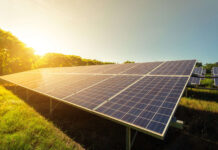
A 25 megawatt solar farm, for example – of the kind envisaged by the Caribbean Utilities Company in its own infrastructure goals – would achieve more than 10% of the target in one fell swoop.
Mix of solar farms and rooftop power
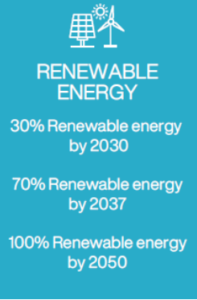
The National Energy Policy anticipates that a mix of utility-scale solar farms, distributed generation – for example, using rooftop space for solar panels – and energy storage projects will help achieve those ambitious targets.
Considerable time and energy has been consumed over the past five years establishing a procurement process for renewable projects.
The policy cites two requests for qualifications – the initial stage of a competitive bid process – by regulator OfReg in 2022 as effectively firing the starting gun on a race to bring large-scale renewable energy projects to fruition.
The updated policy maintains a mandate for distributed generation – which involves the use of existing buildings, homes and business sites – alongside utility-scale projects.

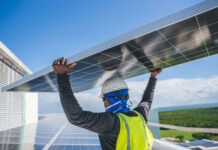
While solar farms can bring quicker gains and lower energy prices, they also eat up land area and don’t create the same number of jobs and business opportunities as rooftop solar, according to renewable energy advocates.
The policy indicates that the roll-out of renewables should “utilize existing developed spaces to the extent feasible”, warning that the natural environment must be safeguarded.
It highlights brownfield sites such as ‘marl pits’ alongside “landfills and mined-out quarries, as well as available roof tops and parking lots” as possible spaces to locate solar projects.
Government ownership?
A version of a previously announced policy initiative for government to take majority ownership of new renewable power-generation projects is also referenced in the policy.
It states, “Within the context of responsible fiscal management, government may authorize any sustainable energy project to receive funding support but will be mindful of the risks of any project and will normally prioritise projects such as technologies proven to be both technically and commercially feasible.”
An accompanying implementation plan for the policy highlights further investigation of public ownership of renewable assets as a goal for the next two years, stating he committee should “consider the feasibility, benefits, and drawbacks of government majority ownership of renewable energy assets”.
Electric vehicle incentives
The document also outlines equally ambitious goals around the other key driver of carbon emissions in Cayman – vehicles.
All new vehicle sales should be electric by 2045, with an intermediary target of 30% by 2030, according to the policy.
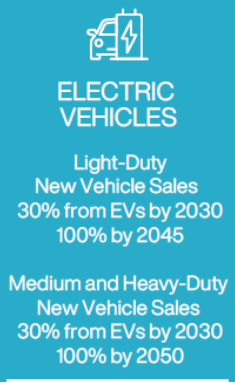
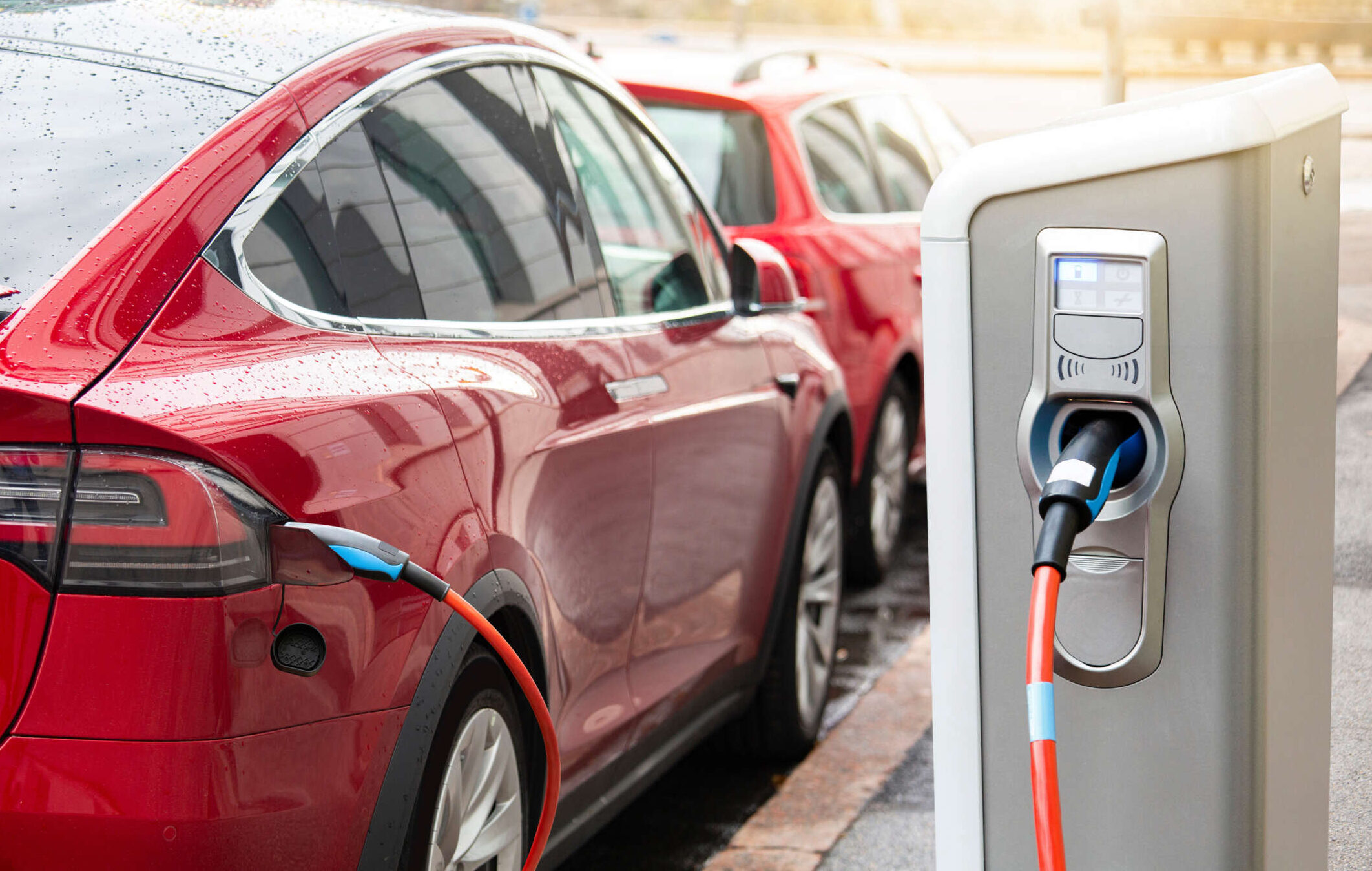
This will necessarily involve a build-out of electric vehicle charging infrastructure, most likely linked to parking lots, the document notes.
The policy also speaks of reducing the total amount of vehicles on island – currently a source of debilitating traffic as well as fuel emissions.
It proposes that policies are developed to increase cycling, walking and the use of public transport as well as encourage the use of e-bikes, potentially through financial incentives.
A separate public transportation study has been in the works for some time, but has yet to be publicly released. That document is intended to provide solutions for the traffic chaos on Cayman’s roads, including through developing proper public transport options. The energy policy references possible future projects including light rail as a means to get people not to use their cars.
It highlights one serious potential drawback to increasing bicycle use, pointing to the need to create safer roads for two-wheeled traffic, including creating dedicated lanes as part of new road construction.
The policy also includes goals around job creation and new courses to ensure Caymanians can be involved in the growth of the green energy sector.
Turning policies from paper to reality has been a challenge for governments past and present. An energy policy implementation committee has been established to monitor progress and an updated implementation plan has been drafted.
Related Videos