Government has increased the ex gratia payment to seafarers and veterans as well as long-term financial assistance to older persons by $300 each, taking monthly benefits in those categories to $1,250.
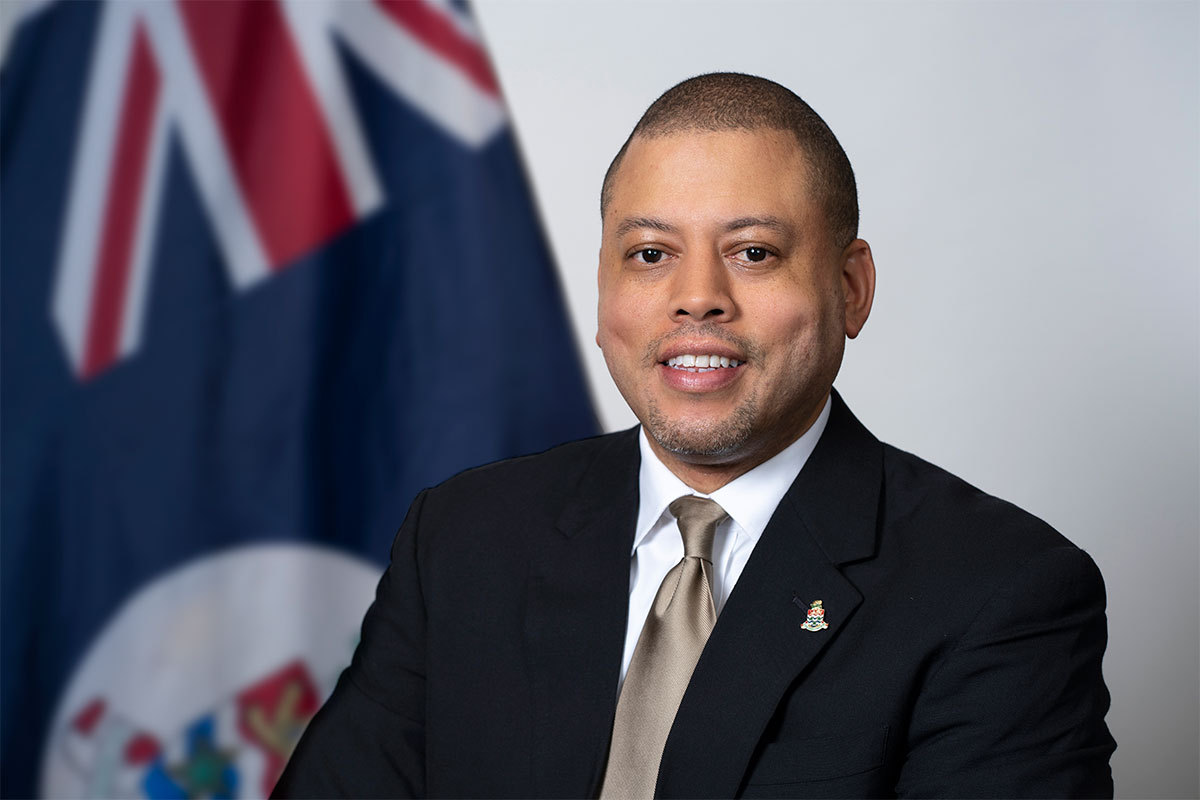
Minister for Investment, Innovation and Social Development André Ebanks announced the increase as he thanked caucus and Cabinet for their “unanimous” support for the additional funding.
The increase, which represents a 30% bump and has been applied immediately, will benefit older persons and adults living with permanent disabilities who receive financial assistance from the Cayman Islands government through Needs Assessment Unit stipends.
A one-time back payment of $300 for July to assist with summer utility increases has also been paid, according to a Government Information Services statement issued Monday.
Ebanks, speaking about the increases, said those living with permanent disabilities and older persons account for approximately two-thirds of the NAU’s clientele.
“This group is more likely to need longer periods of financial support, and we have adapted Long-Term Financial Assistance to better support them. With the current economic challenges many in our community are facing, we felt it important to provide this increase now rather than in January, which has traditionally been the case,” Ebanks said in the statement.
“Our next step is to refine the services we offer to the remaining third of clients who may need transitional or supplementary forms of assistance based on their income or employment status.”
He said by addressing gaps and providing bespoke services, government can better serve those members of the community who are facing economic challenges.
“As we navigate our current economic and social landscape, ensuring our older persons, seafarers, veterans and those living with permanent disabilities are supported to receive the services they need is one of my Ministry’s core priorities. This is just one of the many changes we have planned to revolutionise financial assistance,” he added.
Opposition calls for further bump
Opposition Leader Roy McTaggart says Government’s increase in the assistance “is a very good start,” but he says more should be done for Cayman’s needy.
McTaggart, in a brief statement on the increase, said, during the Progressives’ tenure in Government the payment was raised from $500 to $950.
“This assistance needs to increase further due to the dramatic increases in food and everyday costs,” he said.
He said on several occasions this year the Opposition has asked Premier Panton and the Government to increase the Ex-gratia payment to $1,500 “as most of those receiving the assistance are elderly with little income and rely on this help to survive each month”.
McTaggart said in a letter to the Premier on 13 July he again repeated this call.
“We are grateful that the Government has listened. Our elderly and needy will undoubtedly welcome the added help.We pray that at the budget session if Parliament the Government will provide for a further increase to at least $1,500 monthly. We, in the Opposition, will certainly be calling for it,” he added.
More NAU changes planned
Ebanks, in the statement, said that additional changes to the NAU will be carried out this year as the ministry and department continue to work towards implementing the Financial Assistance Act, 2022, which was passed in Parliament last October.
The previous law, and Cayman’s financial assistance systems, came under fire in a report by the Office of the Auditor General in May 2015. The audit report found that there was no overall strategy, coordination or accountability for how $50 million in financial assistance was spent annually.
Since then, the need for reform has been a consistent cry, with formal action taken last year through the new legislation, which will see the NAU become the Department of Financial Assistance.
The Act, for the first time, also clearly outlines and defines who is eligible for government’s financial assistance – Caymanians, spouses of a Caymanian or guardians of a Caymanian dependent, all of whom must be resident on island during the time of the application and at least eight of the 12 months preceding the application.
The legislation will allow the introduction of conditions which can be attached to financial assistance, in the case of households with adult members who are able to work.
A new appeals tribunal will also be set up under which decisions by the Department of Financial Assistance can be challenged, and grievances aired.
Related Videos