
Economist Marla Dukharan has urged the government to think twice before allowing Cayman residents to make more early withdrawals from their pension funds.
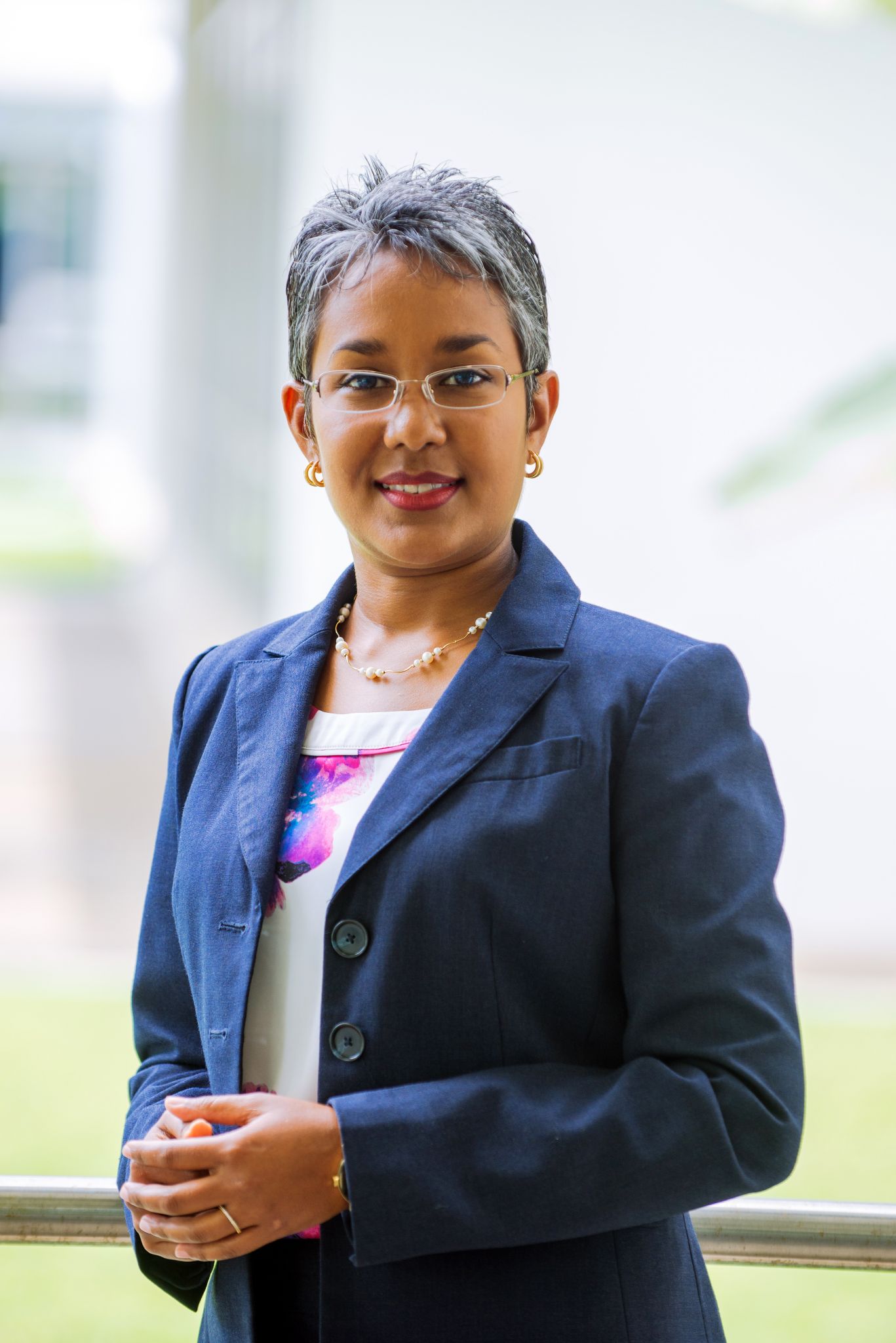
Speaking on Radio Cayman’s ‘Talk Today’ show on Friday, 10 Aug., Dukharan questioned the wisdom of a recent proposal by legislators to amend the National Pensions Act to enable people to draw down their pensions to help pay off their mortgages.
If that plan, proposed in a private member’s motion in Parliament in June, goes ahead it would be the second time in recent years that pension funds would be accessed early. During COVID, government amended legislation to enable people to raid their pensions when many were out of work and facing uncertain futures due to the pandemic. During that time, more than 43,000 people made early withdrawals totalling more than $489 million.
In June this year, following the motion by Opposition legislator and former finance minister Chris Saunders, lawmakers voted unanimously for government to consider increasing withdrawal limits for Caymanians struggling with high interest rates to be able to access more money from their pension funds to pay towards mortgage or land loans.
Dukharan, speaking on the radio show, noted that the government-sanctioned pension drawdowns of 2020 and 2021, which she said amounted to about 10% of Cayman’s GDP, were in response to an “unprecedented situation where you had people who were out of work, you had a shutdown of the economy… and people needed support in many cases because they no longer had access to wages.”
Describing it as a wise decision at the time to allow people in need to dip into their pension savings, she said with the benefit of hindsight two to three years later, it was clear than many who took advantage of that opportunity were not in financial straits at the time.
“One would think that the average person would not withdraw unless they absolutely needed to, but then you hear anecdotal evidence of people who withdrew from their pensions when, in fact, they had their salary anyway and so were no worse off, but they withdrew from their pension because they could. And they used it for home repairs or a flat screen TV or whatever the case.”
She said much of the money withdrawn had been spent on consumer items, meaning that money effectively left the Cayman Islands, and was not added to the local economy.
“Think about that fact that this money has evaporated from your country,” she told radio show host Dwayne Sterling Ebanks.
She added it was important for government, when tackling a problem by intervening through policy changes, to specifically target that issue, rather than make wide-sweeping amendments that may not be responded to as anticipated.
Target those in need
“We have to learn from that. Therefore, [in] a further intervention… we recognise that we need to target it better,” she said. “We need to find out who are the people who have needs that are not met, what are those needs that are not met, and how do we best meet those needs, rather than amending the legislation again… and potentially giving people access to funds that they don’t need right now and that they will take anyway. We don’t want to do that.”
Noting that with people living longer in this modern era, Dukharan said for many, their years of retirement last as long as their working years, so their pensions may need to stretch for 30-40 years.
“If we continue to draw our pensions now, what happens is we are setting ourselves up for poverty during our retirements,” she said, adding that people also need to consider that their healthcare costs are likely to increase in their later years, so pensioners with deflated pension funds would end up being a financial burden on government coffers, charities, churches and local taxpayers.
“I would be very cautious and a lot more prudent about the way that we give access to our pension assets,” she said.
The economist stated that she did not have access to information relating to foreclosures in Cayman for 2023, but data from March last year indicated 52 foreclosures. She argued that, even if that had doubled to more than 100 this year, this would not constitute a crisis large enough to justify allowing anyone to take money from their pension funds to pay off their mortgages.
“Let’s say it’s 100 properties, for argument’s sake, … these 100 families should be able to renegotiate with their bank, and when they are not able to… you can then have a situation where the government can have an intervention that specifically targets the specific family that has challenges, rather than passing legislation that affects everybody,” she said.
Related Videos