Public Health Department officials are closely monitoring the spread of highly contagious hand, foot and mouth disease after 17 Cayman schools have reported infections.
While there is no vaccine to protect against the illness, proper hygiene can help to prevent people catching it and passing it on, according to a press release issued by the department.
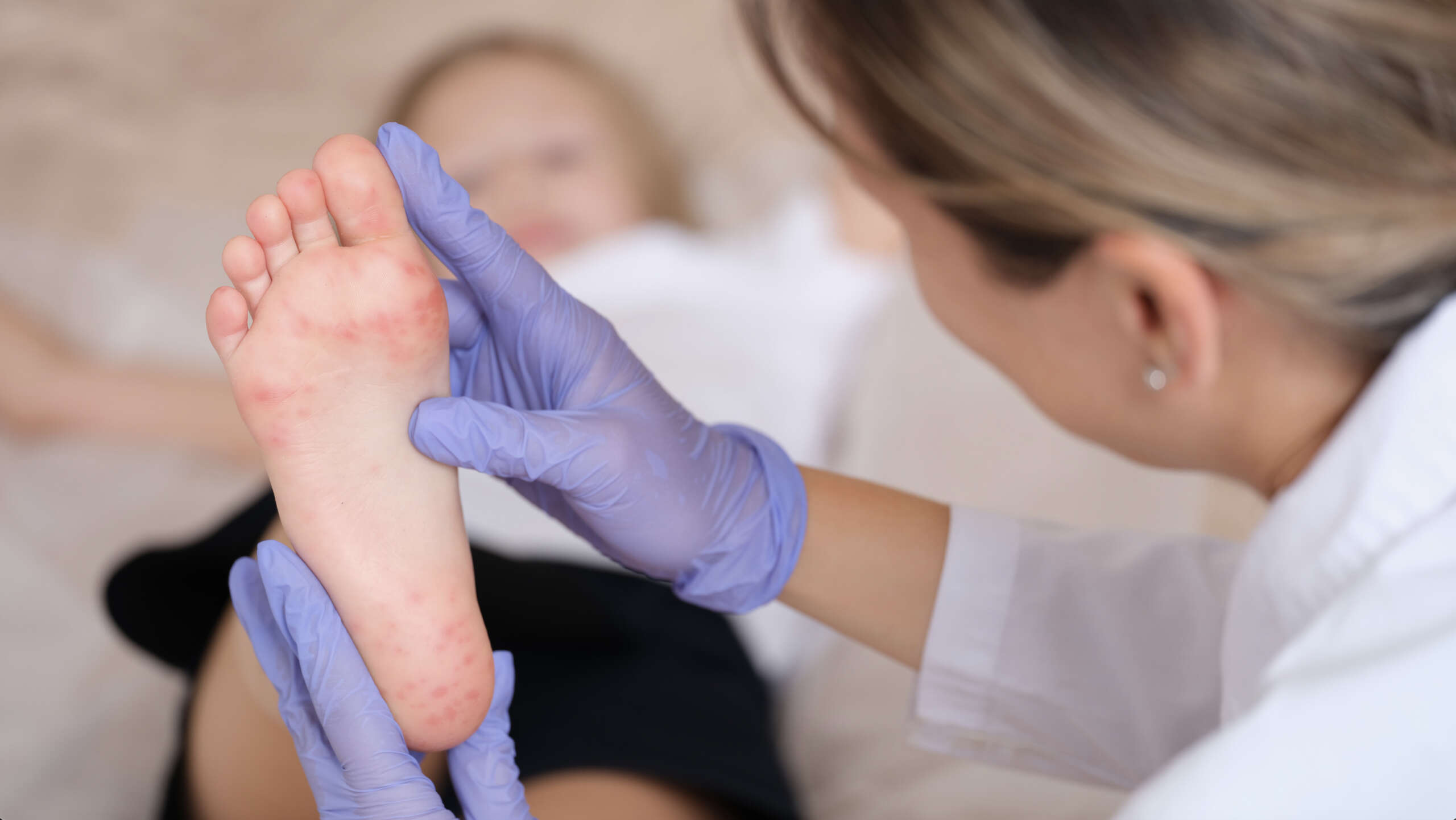
Symptoms of the disease include blister-like eruptions on the tongue, inside the cheek, and on the skin – palm of the hands, soles of the feet and, occasionally, on the buttocks.
Those who have it are also likely to suffer from fever, reduced appetite, sore throat and a feeling of being unwell.
Public Health officials have told parents whose children are infected to keep them at home to reduce further spread.
All infected people should refrain from public interaction until symptoms have subsided – including being fever free for 24 hours, the press release added.
Common illness
Hand, foot and mouth disease is a viral illness common in infants and children under 10, but can also occur in adults.
Some people, especially adults, may show no symptoms at all, but they can still pass the virus on to others. Reinfection can also occur in persons who have already had the virus.
Chief Medical Officer Dr. Nick Gent told the Compass in a recent interview on the Resh Hour show, that hand, foot and mouth disease it is a gastrointestinal infection, in which “the virus replicates in the guts, and it’s shared when children use the toilet”.
He explained there is no vaccine to protect against the “highly infectious” virus that causes hand, foot and mouth disease and no specific treatment for the illness.
However, proper hygiene and prevention, similar to that adopted during the peak of the COVID-19 pandemic, are effective in curbing the spread, he said.
Gent said people should continue with hand-washing techniques, sanitisation, and cleaning and disinfecting frequently-touched surfaces and soiled items, including toys.
He also suggested avoiding contact with people who have hand, foot and mouth disease to minimise the spread of the virus.
Gent said it is hard to estimate how many people have the illness at the moment as it is not tested for or reported on a case-by-case basis.
He stressed that it is not serious, but is a “nuisance”, and will eventually burn itself out.
Mitigate discomfort
Dr. Samuel Williams–Rodriguez, medical officer of health, said in the release, “As of Wednesday, 18 Oct., the Public Health Department identified hand, foot and mouth disease in 17 local schools.
“Parents whose children have contracted hand, foot and mouth disease can give them over-the-counter medications that do not contain aspirin, as well as mouthwash to assist with numbing blisters in the mouth, as a way to mitigate their discomfort.”
Nurse Carvell Bailey-Able, school health coordinator, in the release, said the infection most often occurs in the summer and autumn months.
“The virus is very contagious, so it is important to take the necessary precautions at both home and school and consistently use hygienic measures to reduce the risk of contracting and transmitting the disease.”
More information is available at the Public Health Department on 244-2889.
The Compass has reached out to the Cayman Islands Health Services Authority for details on total numbers infected and is awaiting a response.
Related Videos